

✍️ “Writing a paid Substack newsletter is like running a small startup; many of the best practices apply.”
Illustrator, writer, and creator of Ten Minute Artist on creative discipline, belief, and building a sustainable writing life.

📚 Editor’s Note: Meet Adam Ming
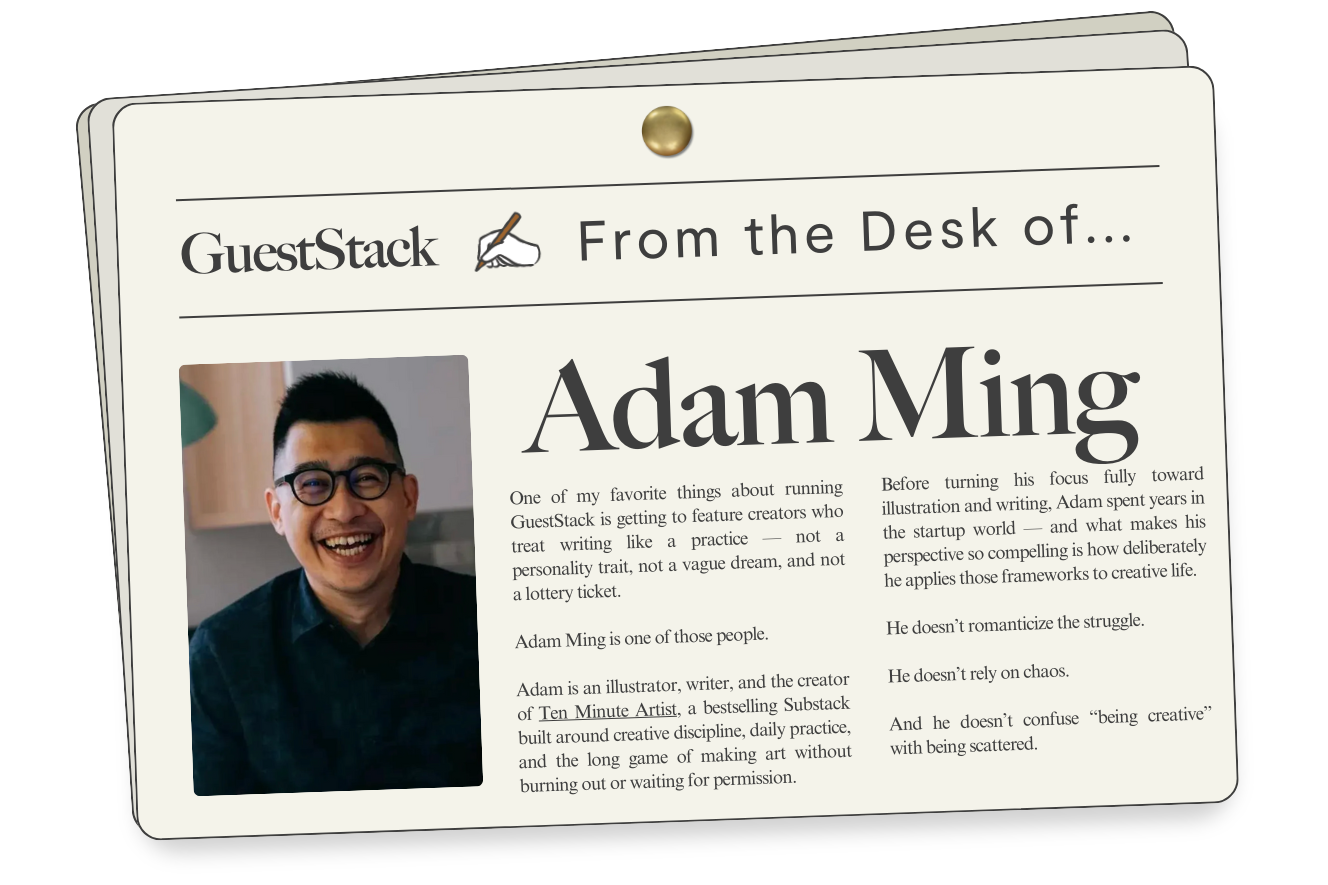
One of my favorite things about running GuestStack is getting to feature creators who treat writing like a practice — not a personality trait, not a vague dream, and not a lottery ticket.
Adam Ming is one of those people.
Adam is an illustrator, writer, and the creator of Ten Minute Artist, a bestselling Substack built around creative discipline, daily practice, and the long game of making art without burning out or waiting for permission. Before turning his focus fully toward illustration and writing, Adam spent years in the startup world — and what makes his perspective so compelling is how deliberately he applies those frameworks to creative life.
He doesn’t romanticize the struggle.
He doesn’t rely on chaos.
And he doesn’t confuse “being creative” with being scattered.
Instead, Adam treats writing and illustration like something you show up for — consistently, methodically, and with belief that compounds over time.
In this interview, Adam talks candidly about:
Why he thinks of writing a paid Substack as running a small startup
How committing a decade to a creative idea changes everything
What it actually looks like to make writing part of your income — sustainably
And why clarity about what you’re offering matters just as much as the work itself
If you’re someone who believes creativity deserves structure — and that belief plus consistency beats talent alone — you’re going to get a lot out of this conversation.
Let’s get into it.
– Amy Suto
Editor & Curator of GuestStack
✍️ From the Desk of Adam Ming
Where’s your desk these days — and what does it look like?
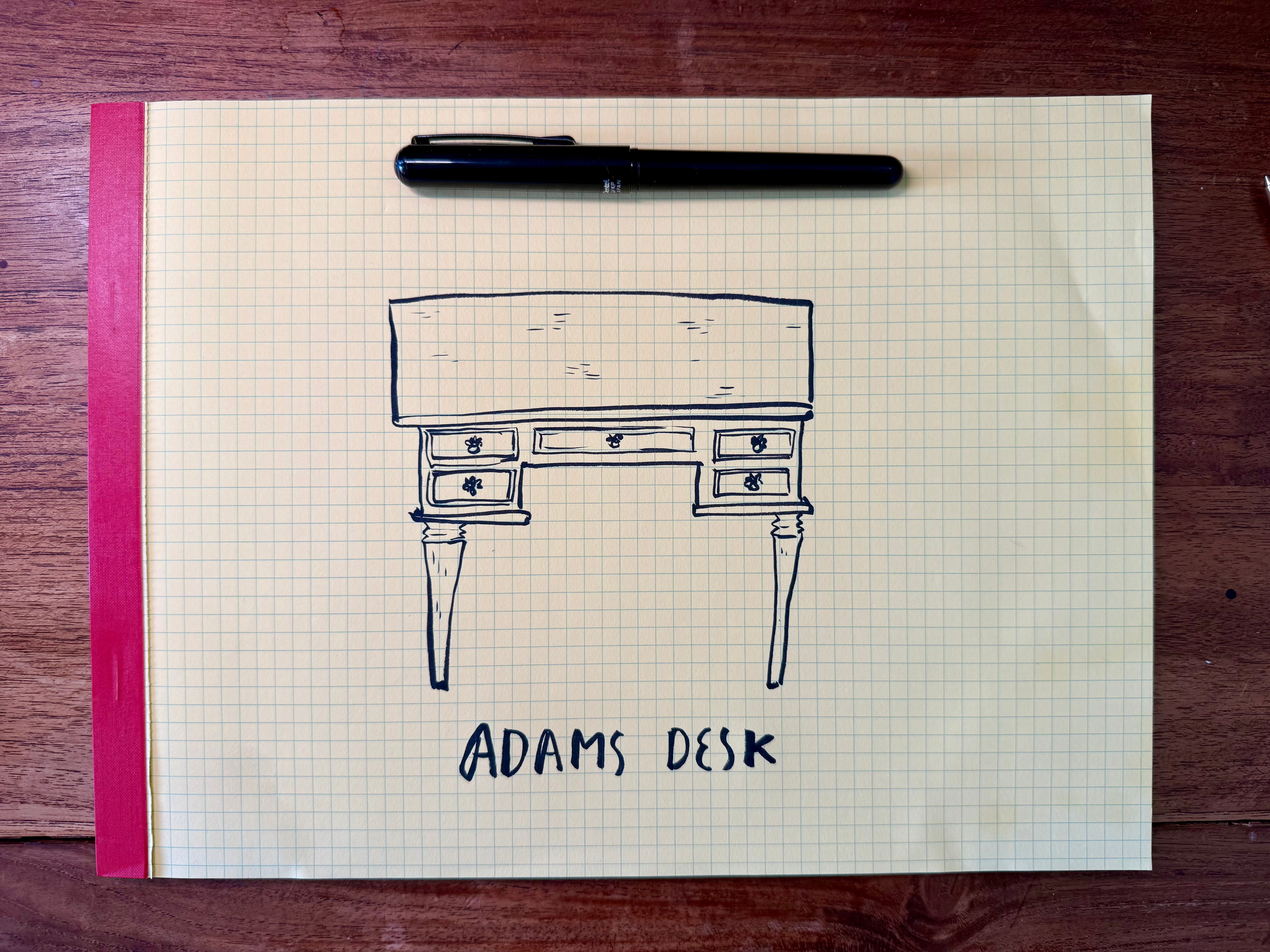
I work on a small antique wooden desk that used to belong to my mom. I work mostly on my iPad Pro. It’s where I illustrate my books, and it’s where I write my Substack. I have MacBook Pro on the desk, which these day’s function as a second screen.
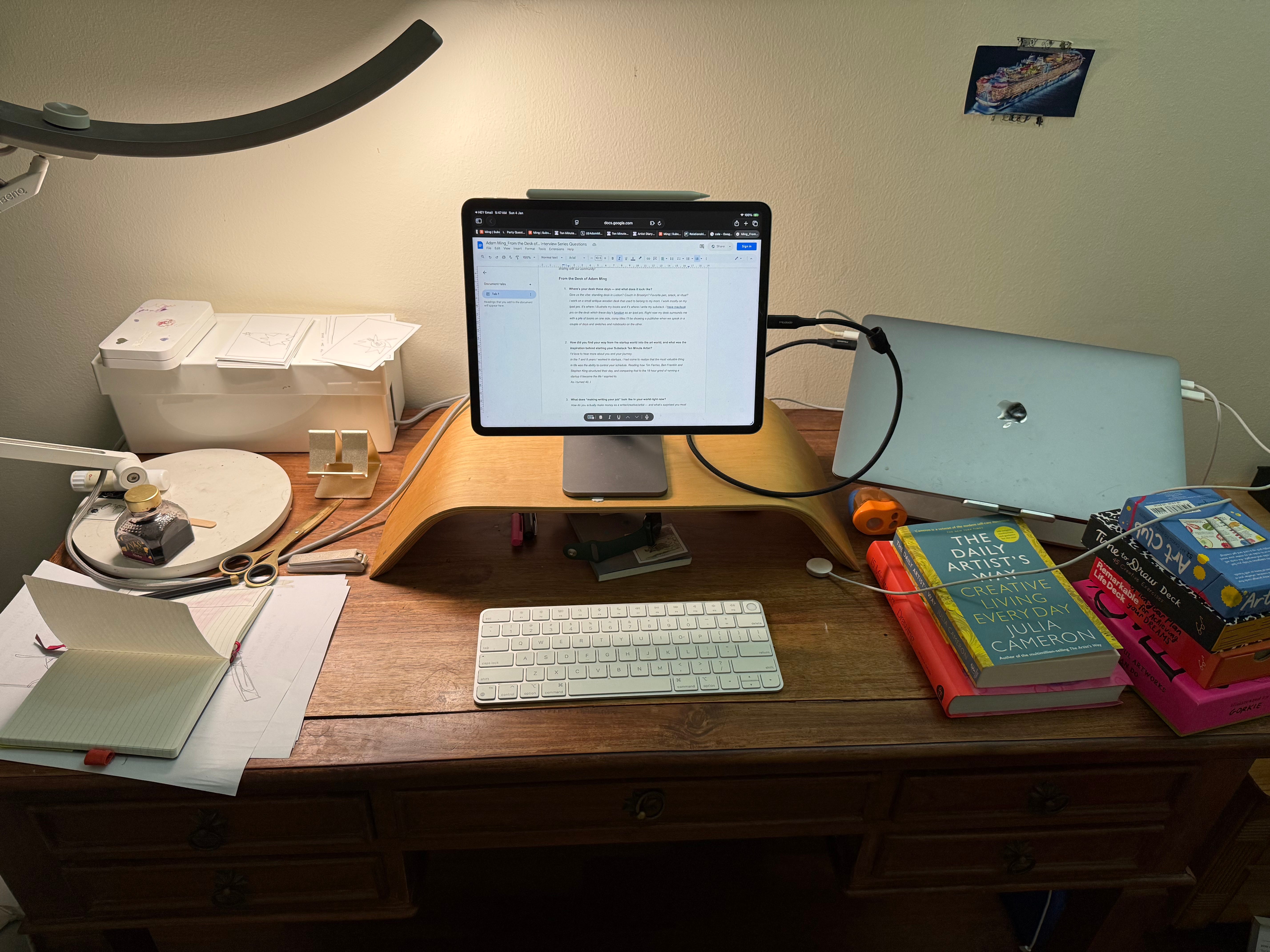
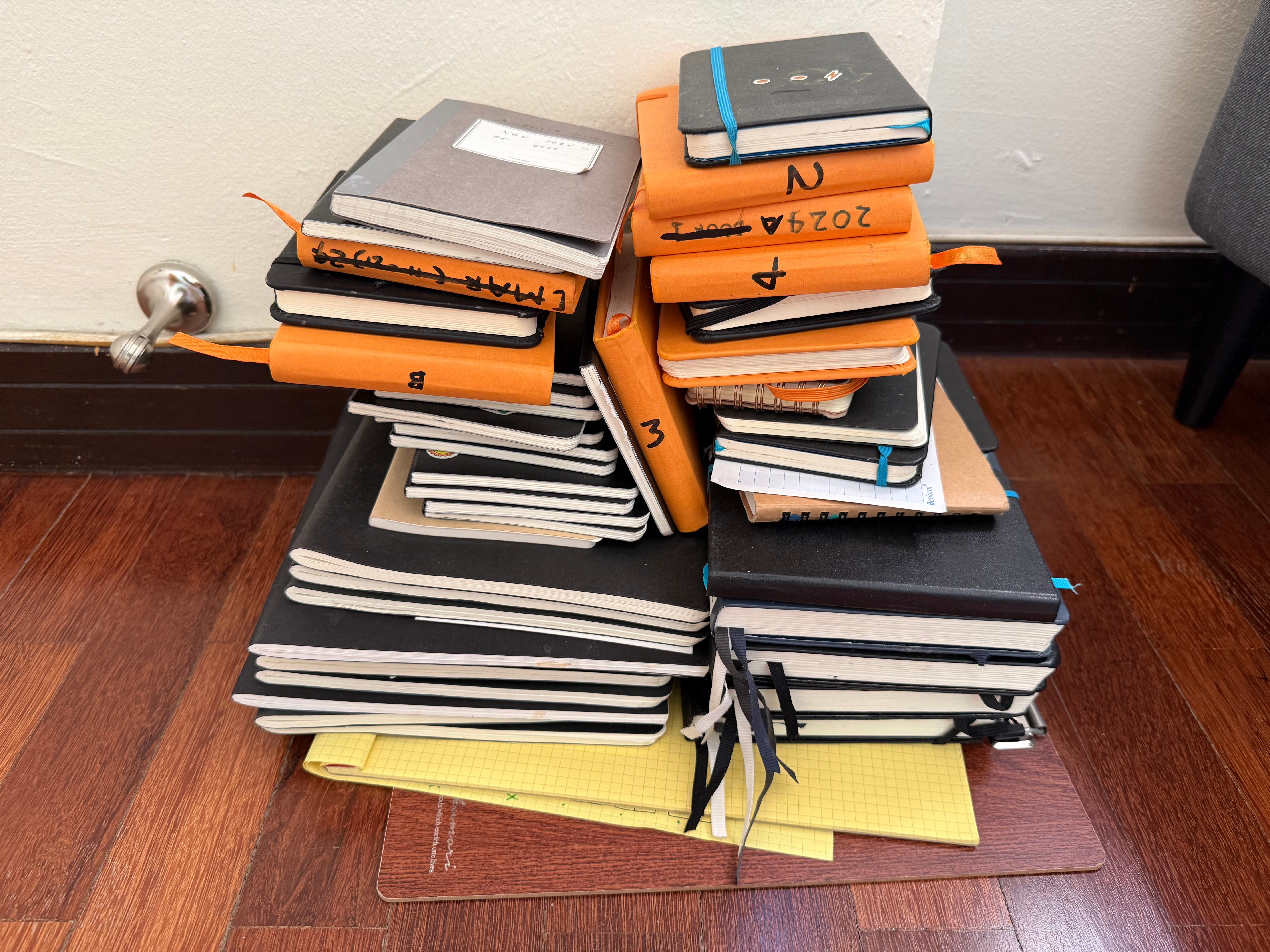
Right now, my desk surrounds me with a pile of books on one side, comp titles I’ll be showing a publisher when we speak in a couple of days, and sketches and notebooks on the other. Outside my window, I have the view of a sprawling golf course and a tree where two eagles live – in sunny Malaysia.
How did you find your way from the startup world into the art world, and what was the inspiration behind starting your Substack Ten Minute Artist?
In the 7 and 8 years I worked in startups, I had come to realize that the most valuable thing in life was the ability to control your schedule. Reading how Tim Ferriss, Ben Franklin, and Stephen King structured their day, and comparing that to the 18-hour grind of running a startup, it became the life I aspired to.
As I turned 40, I had come to see life as a series of decades. I was coming out of my startup decade and remembered that as an 11-year-old, I had declared out of some divine wisdom that I would be an author and illustrator. I sensed that if I didn’t commit myself to this task in my 40’s, I would regret it in my 50’s. I also realized that a writer means someone who writes, and an illustrator means someone who illustrates. And so I decided I would spend 4 hours a day turning the declaration of the 11-year-old me into a reality. I reasoned that if I did that for a decade, whatever the outcome, I would reach 50 without regret.
For a bit of context, I stumbled into the startup world via the door to the creative department rather than tech. Then, in my pursuit of an illustration career, I applied many of the startup frameworks to building a portfolio, reaching out to agents and publishers, and guiding a peer lead critique group to work in sprints.
The Substack started out as a documentation of this journey. I suppose what made it interesting was my startup approach to illustration life.
What does “making writing your job” look like in your world right now?
I write this at the start of 2026. My goals for the year are fresh in my mind. I divide my goals into 3 categories: What, Why and How. The why being the most important part. And the why for my Substacks (I have 3) is to ‘hire myself to do something I love.
Ten Minute Artist is me hiring myself to read and write about the creative practice, and by that I mean the part where we connect with what Julia Cameron calls the Great Creator, in The Artist’s Way.
I make half my annual income writing on Substack, and this year, I’m in talks with publishers to turn them into books. How do I make money from the newsletters? – I treat them as products.
My newsletter started as a documentation of my journey, but after 18 months on Substack, I saw that just about every other illustrator with a Substack was documenting their journey, and while so many of them are interesting, there is little that makes any of them stand out.
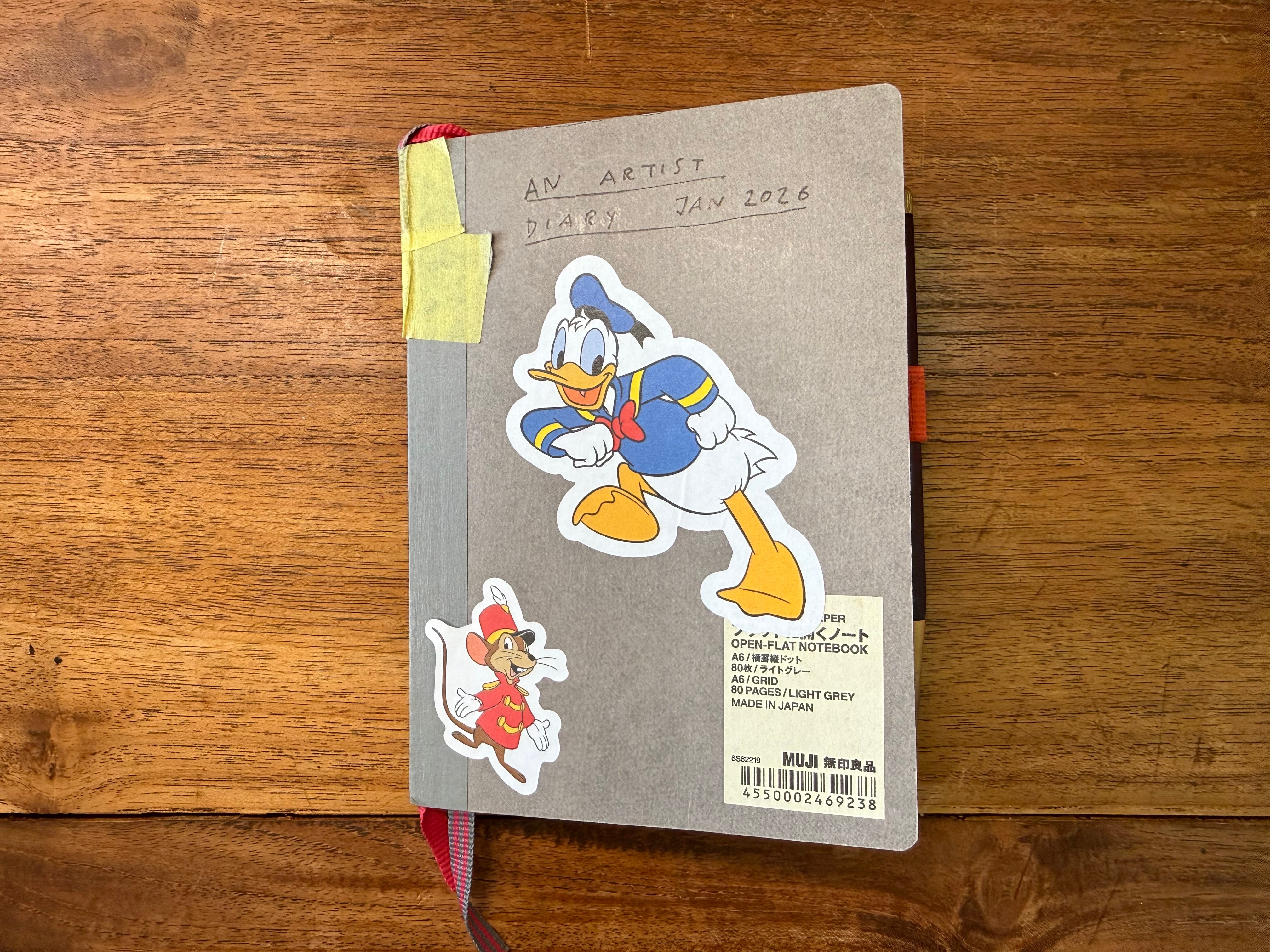
So I ask myself who the product is for, and what outcome am I able to create for them. Every year (I started writing on Substack in 2021), I get closer and closer to the specific outcome I am able to help readers achieve. And right now, that outcome is to help readers start and maintain what I call an ‘Artist Diary’. A tool that helps you bottle up that daily ‘manna’ of creativity that forms like dew drops each day before it evaporates. I deliver that outcome by automatically enrolling new readers into a 5-day email course about creating an artist diary, then offering them daily ideas and prompts to keep the habit going.
Do I want to write about other things, sure I do, that’s why I co-founded two other Substacks (Art Gym and Art Quest), each designed to give a specific reader a specific outcome.
My readers have been so patient with me through the years as I tried different ways of packaging this same idea. Writing a Substack is like a collaboration with the readers, and the task has been to refine and define an offering that is unique from a competitive perspective, but also delivering some value that comes from a unique space creatively. Writing a paid Substack newsletter is like running a small startup; many of the best practices apply.
What’s one lesson you wish someone had told you earlier about the business of writing and art?
Invest in yourself. Finding the right ‘teacher’ is a bit of an art form, and there is a lot of free information on the internet, but saving a little bit of money is not worth it compared to the upside of getting expert advice on the exact bottleneck that is holding you back. The one thing you learn in Stanford and Silicon Valley is that almost any problem you might have has already been solved, and so it takes courage and humility to admit your shortcomings and reach out or invest in someone who has the solution. This might mean taking a course, subscribing to a Substack, joining a group, or just cold emailing somebody.
I realize this sounds self-serving, but every high level up in my life has come from collecting good teachers AND implementing what they teach. That and typos are okay (or at least, don’t wait to be a perfect writer before starting)!
What’s your writing/creating routine like — or do you even have one?
I get into the studio early. Some days that means 2 am (and I take a nap afterward), today it’s 5:30 am. I do this because writing in the morning for me just comes 1000 times more easily than writing in the evening.
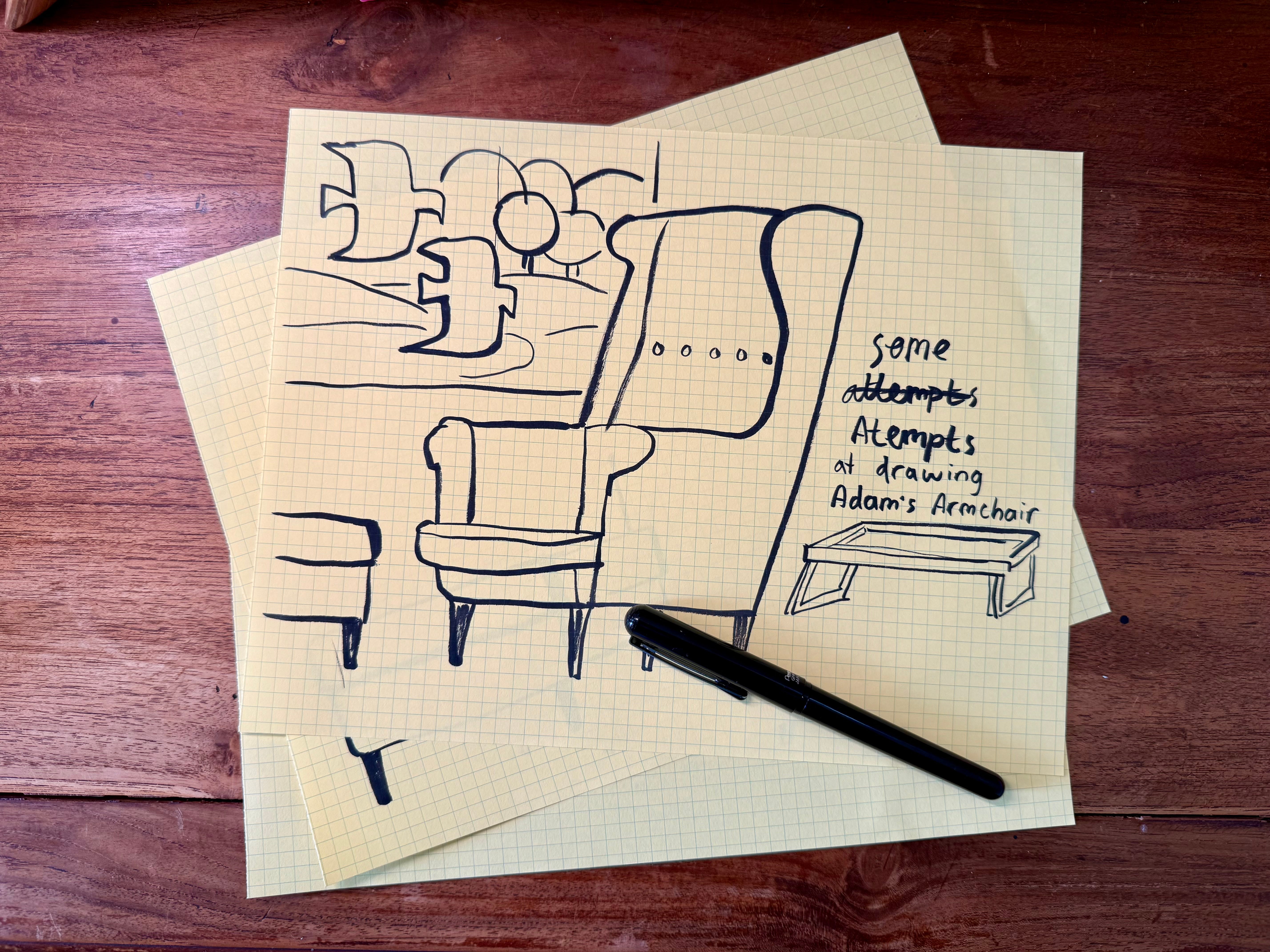
Most days, I make a coffee and get into my armchair, with 6 blackwing pencils and one red pencil. I keep a little trolley nearby with index cards and a few books. I start with morning pages. After the morning pages, I try to write 3 ideas down on index cards. If I can’t find 3 ideas, I dip into the books on the trolley.
Then I write and draw in my artist diary.
This is how I get and develop my ideas.
Then at some point, I sit down at the desk to write and draw. I pull an index card with an idea on it and build it up into a post. Then schedule it for the future. I schedule posts at least one day in advance, and sometimes can have a backlog of 20 posts.
There is another aspect to the writing, which is constantly refining for clarity and consistency, clarity of what’s being offered, and this is in the Bio, the About page, the Pricing page. It feels like a never-ending task. On one hand, delivering a good and consistent ‘writing product’ is important; on the other hand, explaining what that product is, is equally important.
Was there a moment you realized, “Wait… I can actually do this”?
Being in a startup has taught me that with enough energy and iteration based on feedback, ideas can become a reality. I believe the dream has to feel real at the beginning. My dream was to have the Substack cover all my expenses in a decade after starting. The first couple of years were about learning. And the next couple of years got us halfway there.
People come to me with their ideas all the time. I ask them, do you want to invest 10 years of your life into the idea, and if the answer is no, I change the subject. If you have an idea and are willing to back it up with a decade of your life, I believe you can make it happen.
I think you need the belief from the outset, or it’s not going to happen. The belief is what makes you do the work to make the dream happen. The moment this became real was writing down the number of subscribers and dollars I wanted to make from my Substack, and then it’s all about methodically making it happen.
What’s something you tried that didn’t work — and what did you learn from it?
What I tried that didn’t work was to offer a ridiculous amount of value in an effort to increase conversion rates. It worked in that people did sign up, but what I had done was over-committed on my ability to deliver consistently, and so I needed to dial it back.
What I aimed to do was to deliver something like a 5-day course each month with live videos and worksheets, and I did it for like 3 months, and readers loved it, but I couldn’t keep it up. So what I’m learning is to price accordingly and increase my capacity.
One way I increase my capacity is by partnering with other writers who have strengths that I don’t. And for Ten Minute Artist, I’m focusing on creating a compounding value for a very specific audience to get a specific outcome.
I had to understand my capacity and package that, rather than create an amazing offer and force myself to grow to fill the capacity. Both methods work, but the second method works only for a certain kind of person at a certain phase in life, and that’s not me. I chose this career because it allows me to take afternoons off to spend with my family.
How do you find or create opportunities for yourself as a creative?
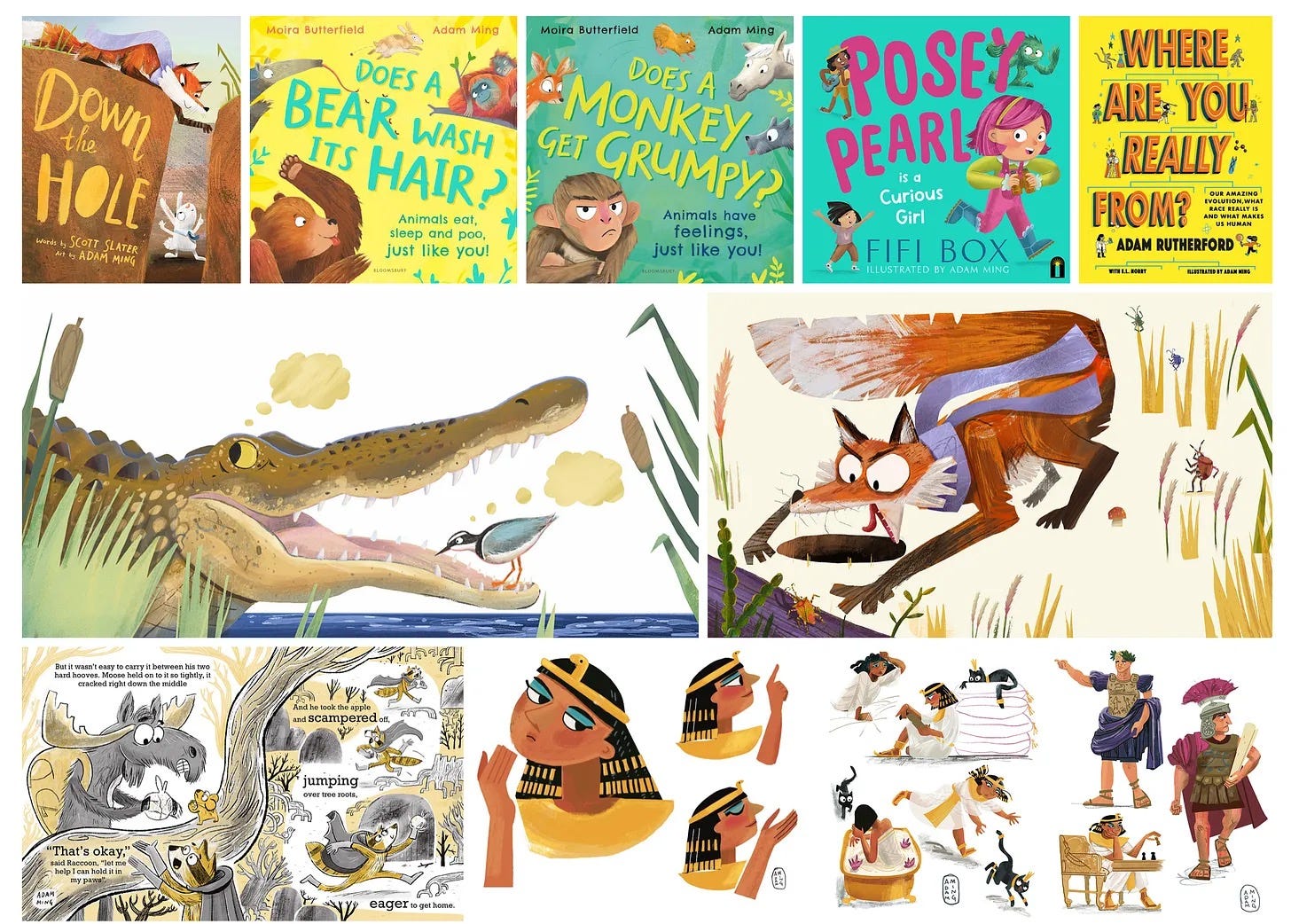
I live in Malaysia, and the opportunity to do what I want to do locally is extremely limited. I’ve illustrated 15 books in the past 4 years for publishers in London and New York, and the success of my Substack is founded on my success as an illustrator. There are two ways I have managed to create opportunities in my situation.
I make myself available at virtually any hour of the day, not all hours, but any hour. This lets me appear on podcasts and ‘meet’ potential clients at 12 am or connect with my international peer group at 3 and 4 am.
The other thing that helps is social media as a means to broadcast services and connect with potential clients and readers. The most important aspect of this is to have clarity in communication and respect for the people ‘consuming’ your content, which is not obvious in the beginning.
There is a difference between joking with friends and showing up as a professional and fun to work with.
What’s the best investment you’ve made in your writing/creative life (time, money, or energy)?
Founding a peer group, and I suppose taking the Make Art the Sells course, where I met the members of the group. The biggest investment was meeting with the group twice a month for years. And from there you learn and adopt the best practices of several motivated and driven artists.
Ten Minute Artist is a bestselling publication here on Substack — what were the ways you grew it? Anything out of the ordinary, or surprising to you?
Being early, it’s not repeatable, but it paid dividends. Another way to think about it is be around for a long time. Another important thing is to see the other Substacks, especially in your category, as peers and not competitors. The goal is to have 0 competitors. Or be in a category of 1. So differentiate by any means possible.
Understand Substack from the perspective of Substack. Here is the open secret of Substack: the most important thing to Substack is how successfully you convert a free reader into a paid reader.
I think it’s important to start there. Once you know how one reader converts, some of the best minds in Silicon Valley are working on how to get those readers to your Substack. So start there and use the features they create, like notes and recommendations, and whatever other genius thing they think of.
Many writers just write and struggle with what to give for free and what to put behind the paywall. And I think that is really a craft and a skill. It’s not something that can be overcome with more writing or better writing; it’s a business and strategic decision.
And the reason people don’t commit is that they want to keep their options open.
People can’t buy if they don’t know what you’re selling. So you need to know what you’re selling. If your goal is to make money writing on Substack, Substack’s goals are aligned to yours, that’s what I love about the platform.
It starts by thinking of writing as a service and an outcome that you are offering. People have a bandwidth for another Substack subscription, they just don’t have the bandwidth for another Substack subscription that does the same thing as all the others.
What’s something you’re currently obsessed with — and how is it influencing your writing and creative practices?
Right now I’m interested in the idea of an image as described by Lynda Barry as something like a ghost. Simultaneously, I’m becoming increasingly interested in the meaning of symbols and icons as discussed by people like Jonathan Pageau.
As far as I can tell, the creative process is one of beholding images (ghosts) and trying to document the encounter. It’s just a new language for describing a process that I believe we are all already intimately familiar with. As a writer, I’m pleased to expand my vocabulary of speaking about the process like this.

👋 About Adam Ming, This Week’s Featured GuestStack Writer
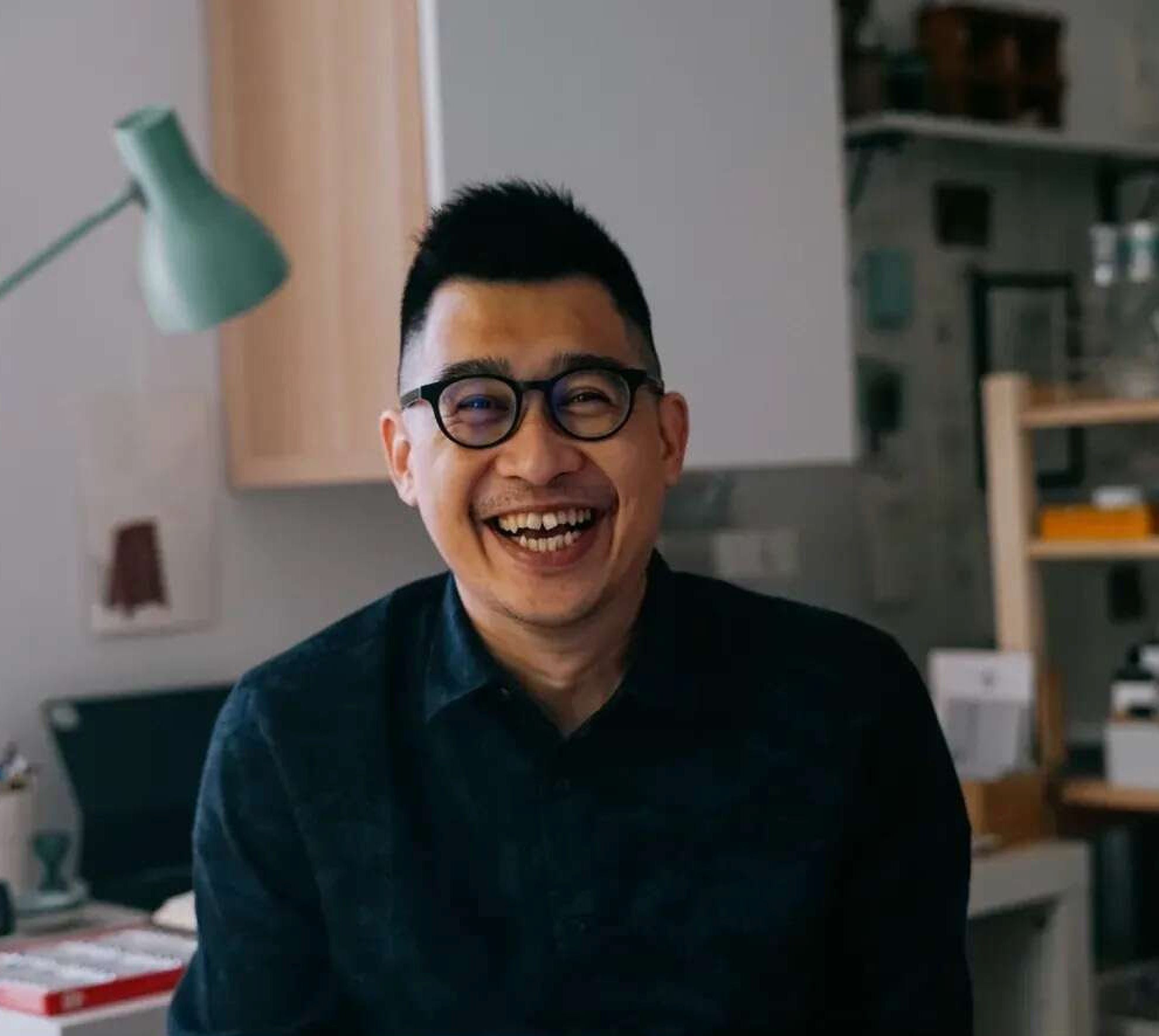
Adam Ming is a Malaysian illustrator and author who approaches illustration and writing as a daily creative practice. His work blends wit, energy, and a comic sensibility, creating images with a tactile quality that feel alive on the page.
He is the illustrator of multiple award-nominated books, including titles recognized as a Junior Library Guild Gold Standard, and has worked with publishers such as HarperCollins, Bloomsbury, Scholastic, Hardie Grant, and Andersen Press.
Adam writes three Substack publications: Ten Minute Artist, focused on creative practice and sustaining an artistic life; Art Gym, co-run with Katie Stack; and Art Quest, co-run with Jen Gubicza. He lives in Kuala Lumpur with his wife and daughter, and grew up on Penang Island, where some of the world’s best food hides in back alleys and heritage buildings.
Learn more at adamming.com.
