


📚 Editor’s Note: A Life That Becomes the Work
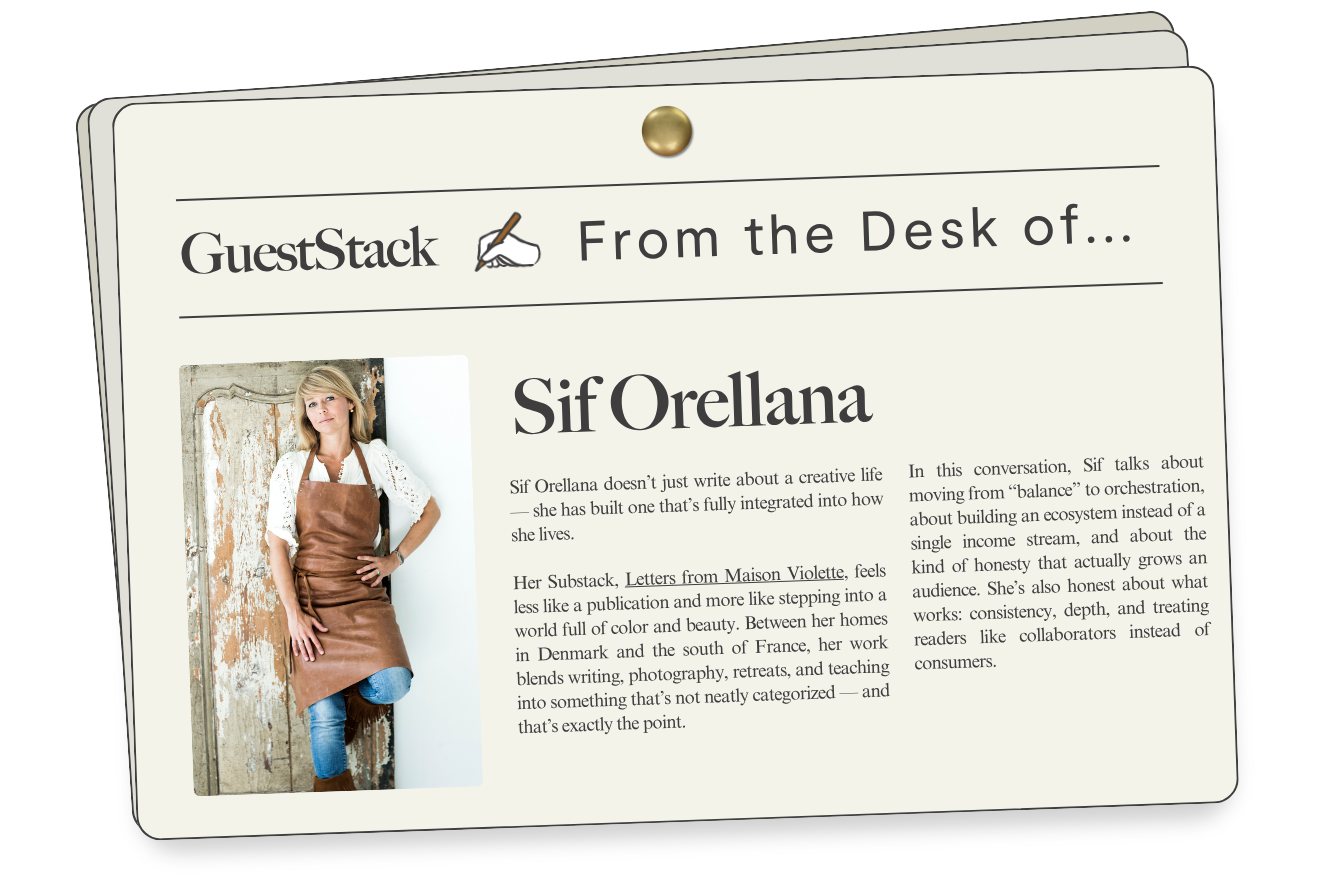
Sif Orellana doesn’t just write about a creative life — she has built one that’s fully integrated into how she lives.
Her Substack, Letters from Maison Violette, feels less like a publication and more like stepping into a world full of color and beauty. Between her homes in Denmark and the south of France, her work blends writing, photography, retreats, and teaching into something that’s not neatly categorized — and that’s exactly the point.
In this conversation, Sif talks about moving from “balance” to orchestration, about building an ecosystem instead of a single income stream, and about the kind of honesty that actually grows an audience. She’s also honest about what works: consistency, depth, and treating readers like collaborators instead of consumers.
If you’ve ever felt like your creative life doesn’t fit into one box — or that you’re “too many things” to build something cohesive — this is a reminder that the overlap might be the strategy.
And that sometimes, the most powerful thing you can do is stop trying to separate your life from your work — and let it become the work.
– Amy Suto
Editor & Curator of GuestStack
✍️ From the Desk of Sif Orellana
Where’s your desk these days — and what does it look like?
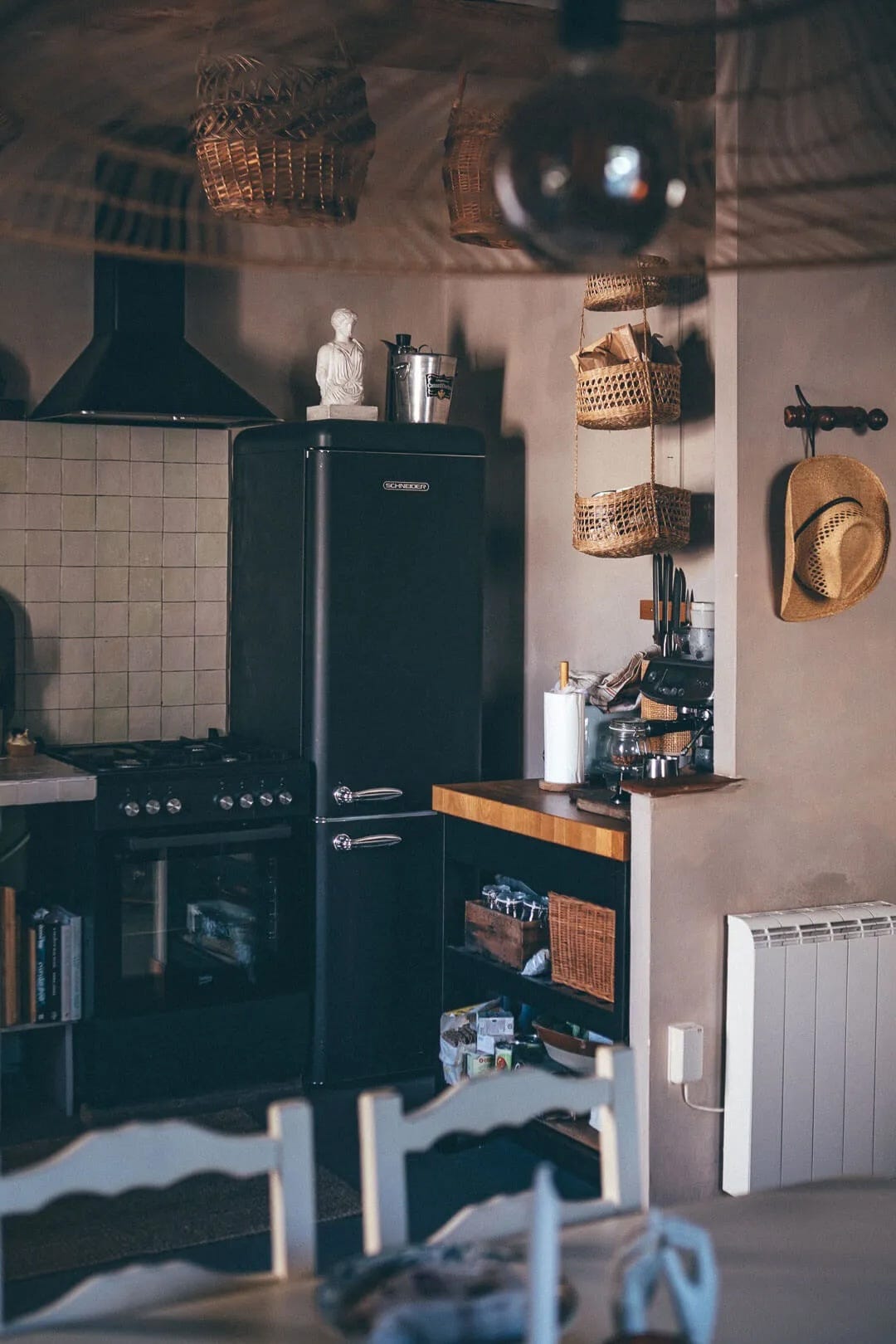
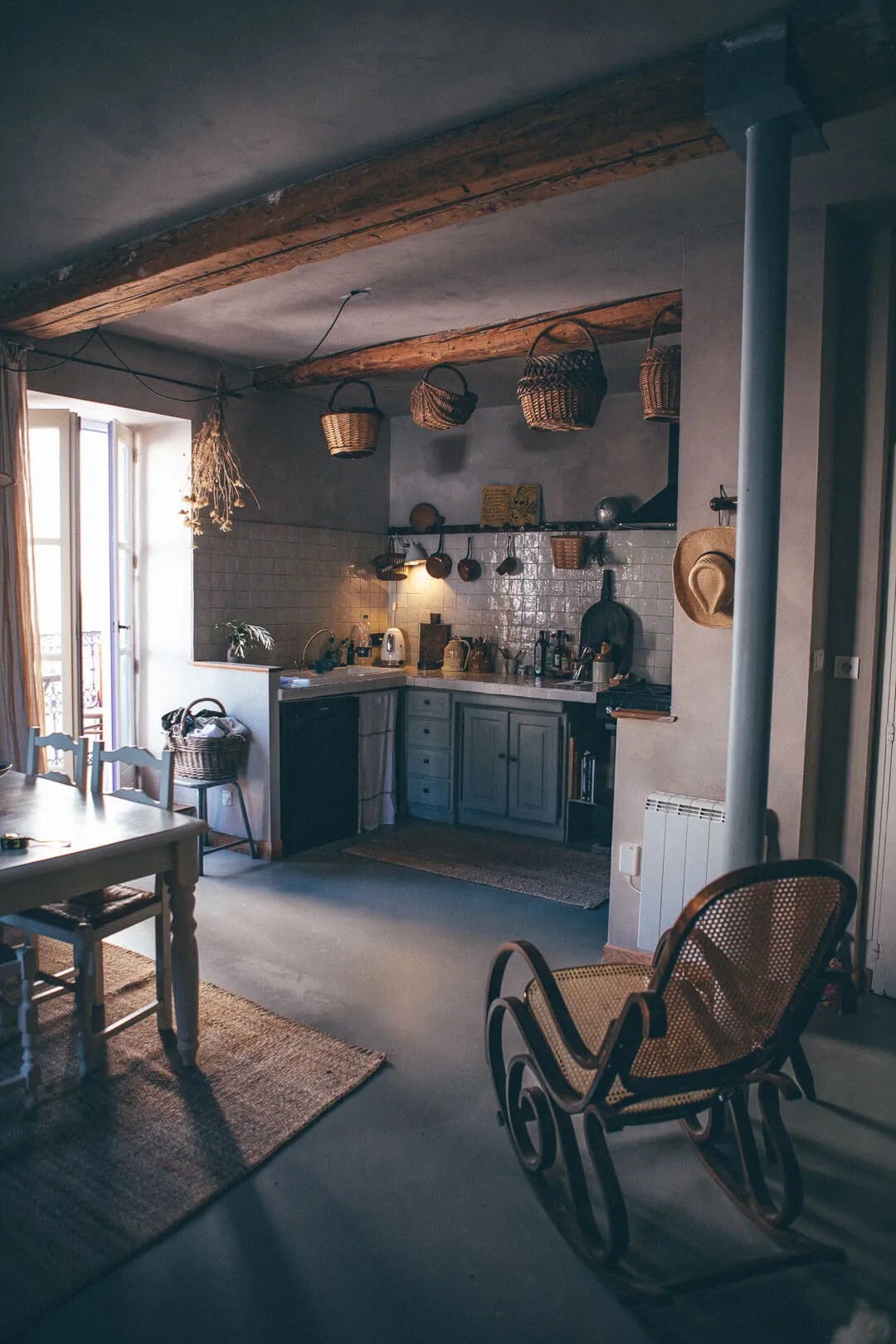
Right now I’m writing from an old merchant’s desk – heavy, worn, and with just enough gravitas to make you sit up a little straighter without quite knowing why. It lives in the kitchen of my old schoolhouse in Aarhus, built in 1840, where I’ve temporarily set up camp.
I live a cross-border, patchwork life between Denmark and the south of France, where my other desk waits in a centuries-old stone house in a small village in the Languedoc – thick walls, violet shutters, ivy climbing the facade, and a rooftop terrace with views that make you forget what you came upstairs for. I bought it two years ago, after the youngest of my three musketeers had flown the nest – and it turned out to be less of a midlife crisis and more of a midlife upgrade.
So these days, I move between the two. Denmark keeps me grounded. France keeps me dreaming. And somewhere in between, I try to remember where I left my favourite notebook.
Clark, my small four-legged companion, is usually nearby – either observing things with quiet authority or sleeping through them entirely.
You’re a Danish 7-time award-winning author, photographer, creative business strategist & founder of Sisterhood Retreats. How do you balance everything as a multihyphenate? What does a “day in the life” look like for you?
Haha, reading this question, I can’t help but laugh, because written out like that, it does sound rather impossible. And honestly? Some days it is. But here’s what I’ve learned:
I have stopped trying to balance everything and started trying to orchestrate it – which is a completely different thing. Balance implies that everything gets equal weight all the time. Orchestration means knowing which instrument leads today, and letting the others rest.
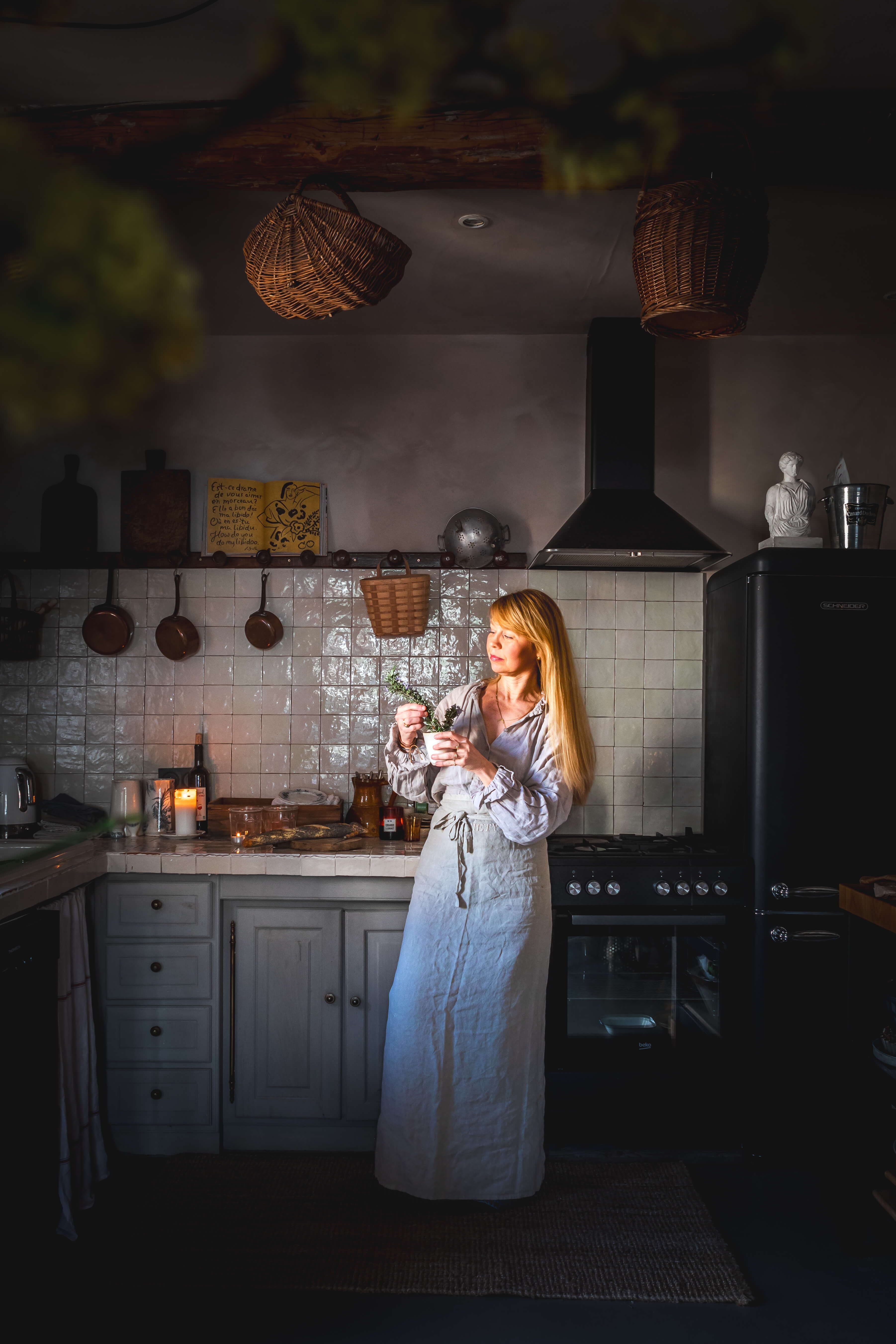
On any given day, I might be writing a letter to nearly ten thousand Substack readers, photographing a sunlit tarte tatin on my French kitchen counter, planning a retreat in an olive grove, or sitting with my mother over coffee in Denmark, talking about life. I don’t compartmentalise. I let it all be one thing – because it is one thing. It’s a life, and the life is the work. It has been that way for twenty-two years. So much of what I live, eat, think, and feel eventually finds its way into something I make. I stopped seeing that as a blurred boundary a long time ago – it simply is the shape of my creative life.
What makes it possible: a location-independent income built over decades, a deep trust in my own creative instincts, and having always known that being many things is simply who I am.
What does “making writing your job” look like in your world right now?
It looks like twenty published books, seven of them award-winning. It looks like a Substack publication that reached nearly 10,000 subscribers in its first year. It looks like Sisterhood Retreats in beautiful European locations where women come to write, create, photograph, and connect. It looks like food and travel features in International magazines, days in my Aarhus studio teaching writing, photography and the art of building a location-independent worklife, 1:1 coaching sessions, digital guides and masterclasses, and a paid inner circle of nearly 300 readers who trust me enough to invest in what I make.
It is never just one thing. It is always the whole ecosystem.
The surprising part? Writing is not one income stream among many – it is what flows through all of them. I am a storyteller by nature. Communication has always been my greatest passion. Ever since I was a little girl, my happy place has been with my fingers dancing on the keys.
I have a master’s in literature. I have worked as a journalist, hosted television shows, and spent years as head of marketing and press at one of Scandinavia’s largest cultural organisations. Writing has never been something I do – it is something I am. And everything I have ever built has been built on that foundation.
What’s one lesson you wish someone had told you earlier about the business of writing?
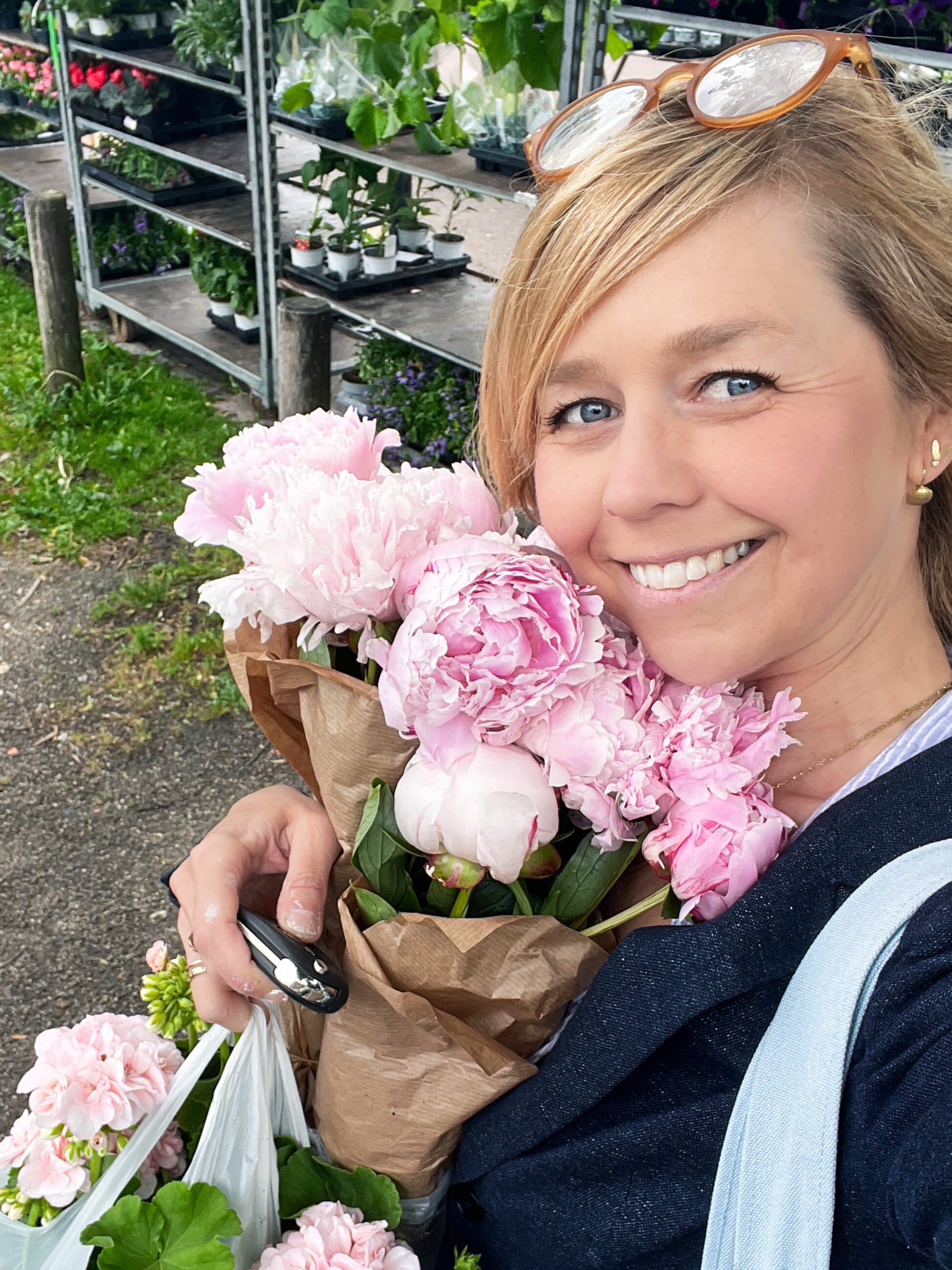
Your audience doesn’t want a polished version of you. They want the true one.
I spent years believing I needed to present a finished, complete, fully-arrived version of myself before I could be taken seriously. What I’ve learned – slowly, through much evidence – is that people don’t subscribe to expertise. They subscribe to honesty. The most-read letters I’ve ever written were the ones where I told the truth about something difficult. Not the ones where I demonstrated how much I knew.
And the thing nobody tells you – giving away your best thinking for free is not a loss. The more you give, the more people trust you. And trust is the only currency that truly compounds.
What’s your writing routine like if you have one?
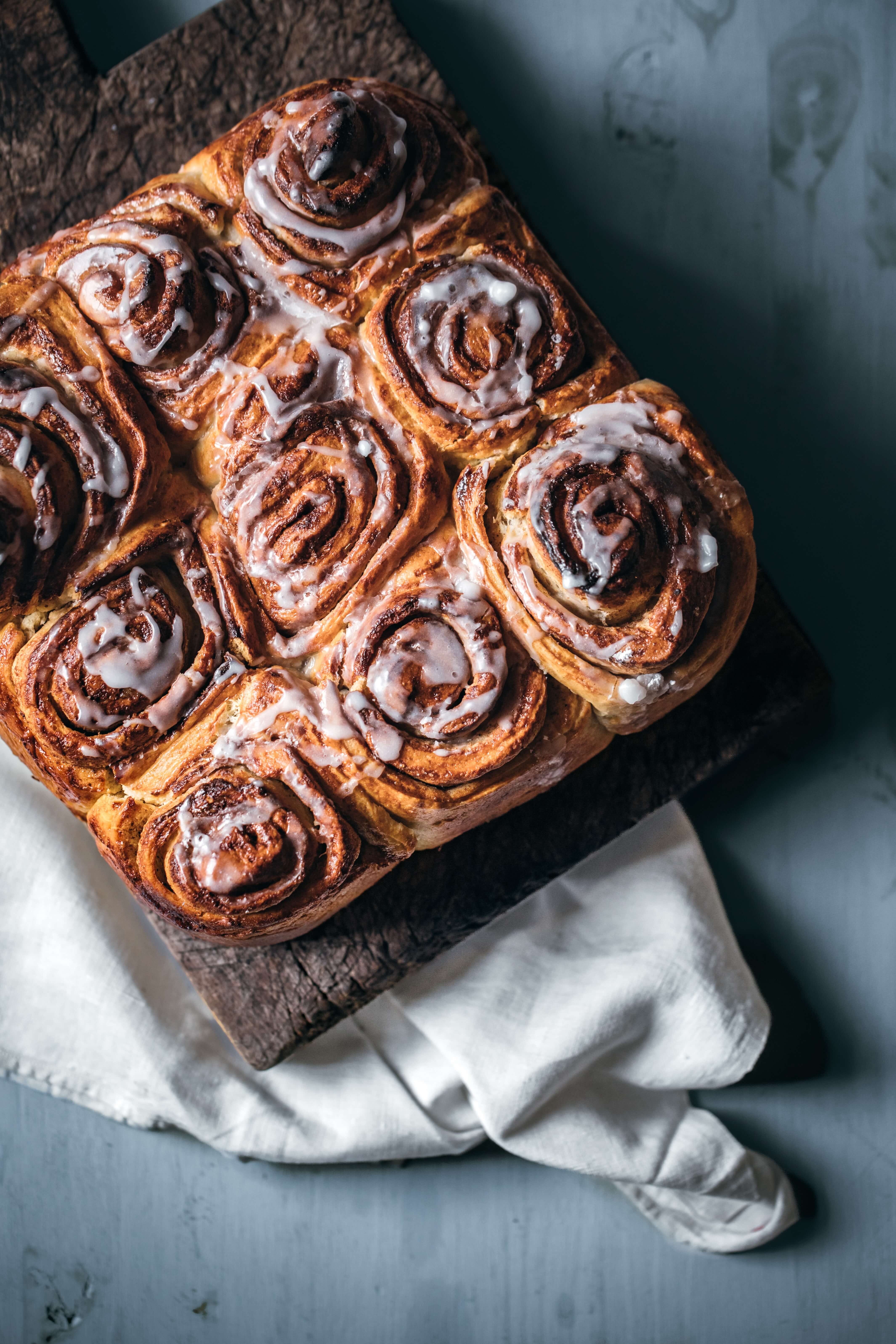
I am a night owl by nature and a morning coffee ritualist by choice – which means I exist in a state of productive contradiction. I don’t do morning pages. I do morning coffee outside, birds as the only soundtrack, notebook nearby, but not mandatory.
I write when the words arrive – which is often late, often suddenly, and occasionally at inconvenient moments. I have learned to keep a notebook in every room and to trust the arrival rather than force the schedule. My strongest strength, confirmed by Martin Seligman’s VIA Character test, is love of learning, which means sitting down to write never requires discipline. It requires only the right question to begin pulling on.
Was there a moment you realized, “Wait… I can actually do this” in your career as a writer and creative?
My first book came out in 2004. I felt deeply vulnerable – not because I doubted my writing, but because I had done something that felt risky. I had reimagined what a cookbook could be. More storytelling, more layered, with lifestyle photography woven alongside the food images in a way that hadn’t really been done before. It was really a book about a way of living – about beauty, creativity, slowness, and the stories that gather around a table. The question that kept me up at night was not can I do this — it was is the world ready for this?
And yet – beneath all that noise – something quieter knew otherwise. My intuition told me this book would matter, would find the people who needed it. My publisher and I trusted that voice over the louder one, published anyway – and 115,000 people bought it, and something in me changed that has never changed back.
That was the moment. Not the contract, not the reviews. The moment I held a book that existed because I had refused to let fear make my decisions.
What’s something you tried that didn’t work — and what did you learn from it?
I once tried to be more strategic. I read all the right books, mapped all the right content pillars, and attempted to turn my creativity into a system. It produced perfectly adequate work that felt completely dead on arrival.
What I learned: I am not a system. I am a seeker, a storyteller, a dot-connector. The moment I stopped trying to architect my creativity and started trusting it, everything got better – including the results. Intuition, it turns out, is not the opposite of strategy. It is a faster, deeper version of it.
How do you find or create opportunities for yourself as a writer?
Mostly by showing up – fully, consistently, and as myself. Opportunities have rarely arrived because I pitched them. They have arrived because someone read something I wrote and felt something, and reached out. Which means the work itself is the pitch.
I also say yes before I feel ready. To the book. To the retreat. To the stone house in France. To the Substack. Every significant thing in my creative life began with a yes I wasn’t entirely sure I could honour – and then honouring it anyway.
What’s the best investment you’ve made in your writing life (time, money, or energy)?
Time spent alone in rooms that inspire me. This is not romantic advice – it is practical. My old schoolhouse in Denmark and my stone house in France are not just homes. They are creative infrastructure. The environments we inhabit shape the work we produce, and I have invested accordingly.
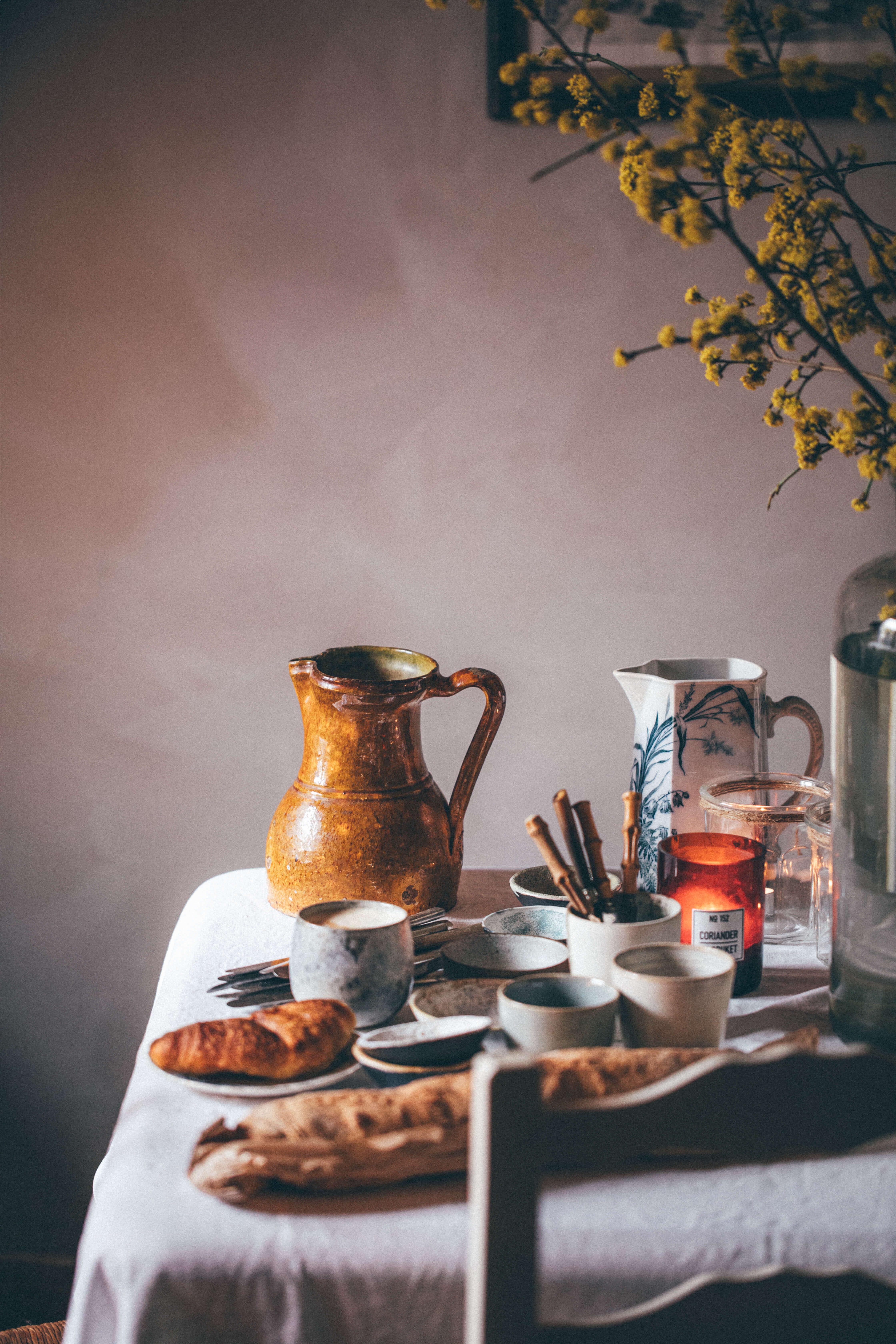
But it isn’t always solitude I seek – sometimes it is anonymity. Some of my best writing has happened in cafés, in my two hometowns and on travels. There is something deeply stimulating about sitting among people without having to be available to any of them. A good cup of coffee, a freshly baked something, and the quiet hum of life carrying on around you. Libraries, too – I am drawn to their atmosphere of immersion and collective devotion to the written word.
People come second: the writers, thinkers, photographers, and seekers who have crossed my path through retreats, correspondence, and the village that has grown up around my Substack. Community is not a soft investment. It is the whole game.
Letters from Maison Violette is a bestselling publication here on Substack — what were the ways you grew it? Anything out of the ordinary, or surprising to you?
I wrote naked. I showed up consistently. And I treated every reader as someone worth the full truth – not a curated version of it.
When I sit down to write, I forget the numbers entirely. I write to one person – a woman I know is out there, somewhere, who needs exactly this. Not the polished version. The real one. And when you write like that, something extraordinary happens: she feels it.
The surprising part: two Substack Notes brought in more than 6,300 new subscribers in January and half of February alone. One single note – a simple introduction to myself and my world – brought in 4,137 new readers. No ads. No launch strategy. Just a true story, told well, finding the people it was meant for.
But numbers only tell part of the story. What I have built is not a newsletter – it is a village. I reply to every comment. I ask my readers what moves them, what they are struggling with, and what they want more of. I let them shape the conversation. When you treat your readers as collaborators rather than an audience, something shifts – they stop consuming and start belonging.
The advice is simple, even if the doing isn’t: write the truest thing you can. Then write it again. Show up even when you feel you have nothing to say – because you always have something to say. The algorithm rewards consistency, but readers reward honesty. And honesty travels further than any strategy I have ever tried.
What’s something you’re currently obsessed with — and how is it influencing your writing?
The analogue. And the silence beneath it.
In December, I took a course in Transcendental Meditation – inspired, in part, by David Lynch, one of my great creative heroes. I wrote my final university thesis on Twin Peaks years ago, and Lynch has never stopped teaching me things. In his book Catching the Big Fish, he describes ideas as fish. The small ones swim near the surface. But the big, luminous, surprising ones live deeper down. And if you want to catch them, you have to be willing to go below the noise.
I think most of us skim the surface more than we realise.
So lately, I’ve been stepping away from the Internet and toward what I’ve started calling the Innernet – the quieter, slower place underneath it all. Knitting. Baking. Walking by the sea in the early mornings.
And I can feel it in my writing.
It’s becoming more sensory. More alive. Less about describing a moment – and more about letting someone step into it. That shift has shaped the way I write, but also the way I teach.
Because at its core, powerful writing isn’t just about choosing the right words. It begins with deeper noticing – using the senses to bring a moment to life, so the words carry something the reader can actually feel.
It’s something I explored in a small workshop in Paris a few years ago, and this June I’m turning it into an online masterclass:
Sensory Storytelling – A Masterclass in Bringing the Five Senses to the Page.
And because you’re here, I wanted to quietly extend an invitation – exclusively to Amy’s readers.
For 72 hours after this interview goes live, I’m offering you access to the masterclass as a complimentary gift when joining my yearly subscription, along with everything that’s inside the Inner Circle: essays on building a freedom-based creative business, midlife alchemy and becoming, the French art of slow living, photography and visual storytelling, and Substack growth for women with something real to say.
The annual subscription is €65 (and your price is locked in even if prices go up later), while the masterclass will otherwise be €67. You’ll receive a personal email with your access link as soon as it’s released.
If you feel drawn to writing – and living – in a way that is a little more present, a little more sensory, a little more alive… the door is open. You are very welcome inside.
https://maisonviolette.substack.com/amysuto

👋 About Sif Orellana, This Week’s Featured GuestStack Writer
Danish 7-time award-winning author, photographer, creative business strategist & founder of Sisterhood Retreats. I help female creators build freedom-based lives, turn their passions into a career, and make midlife the best plot twist yet.
