


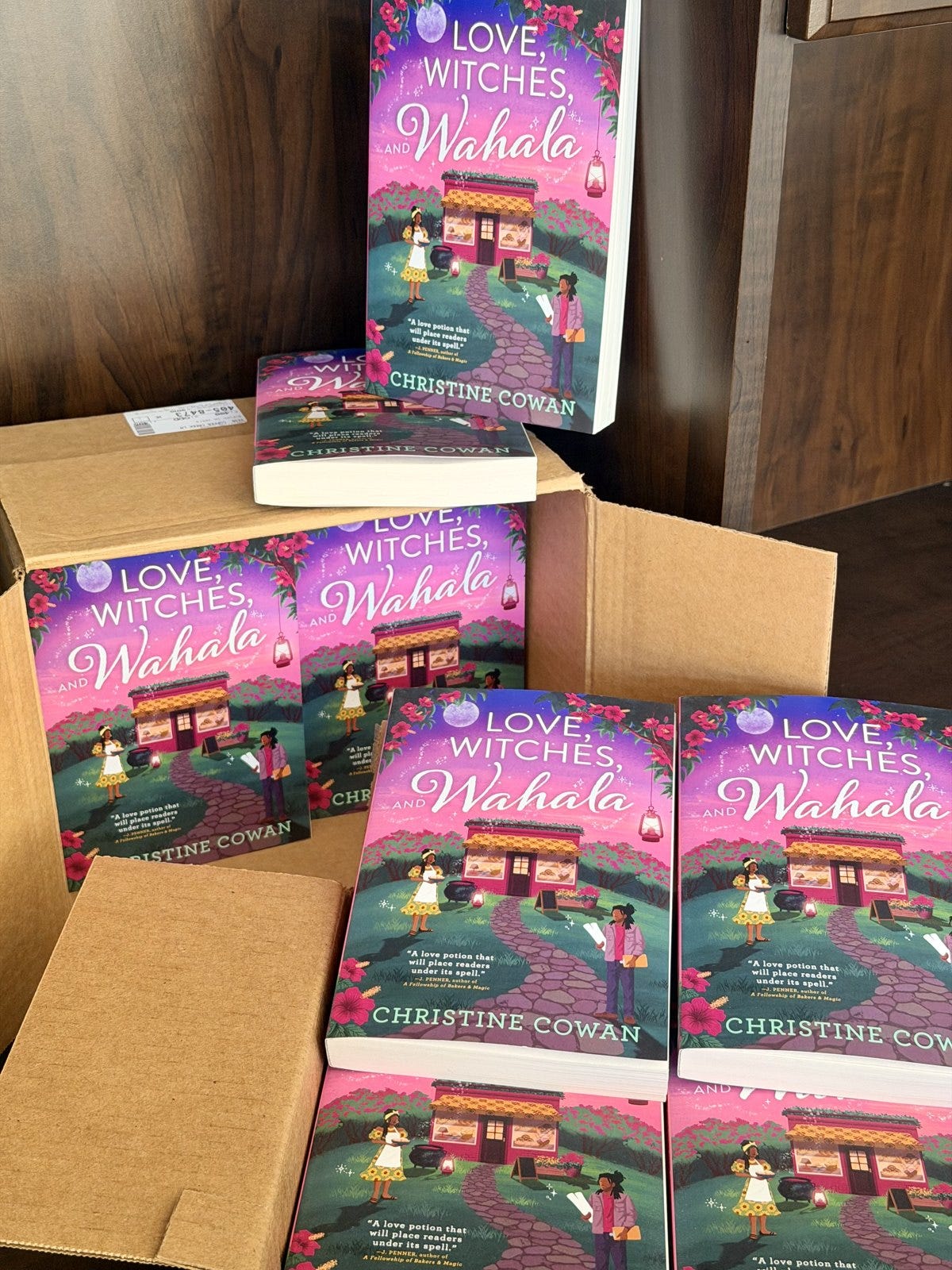
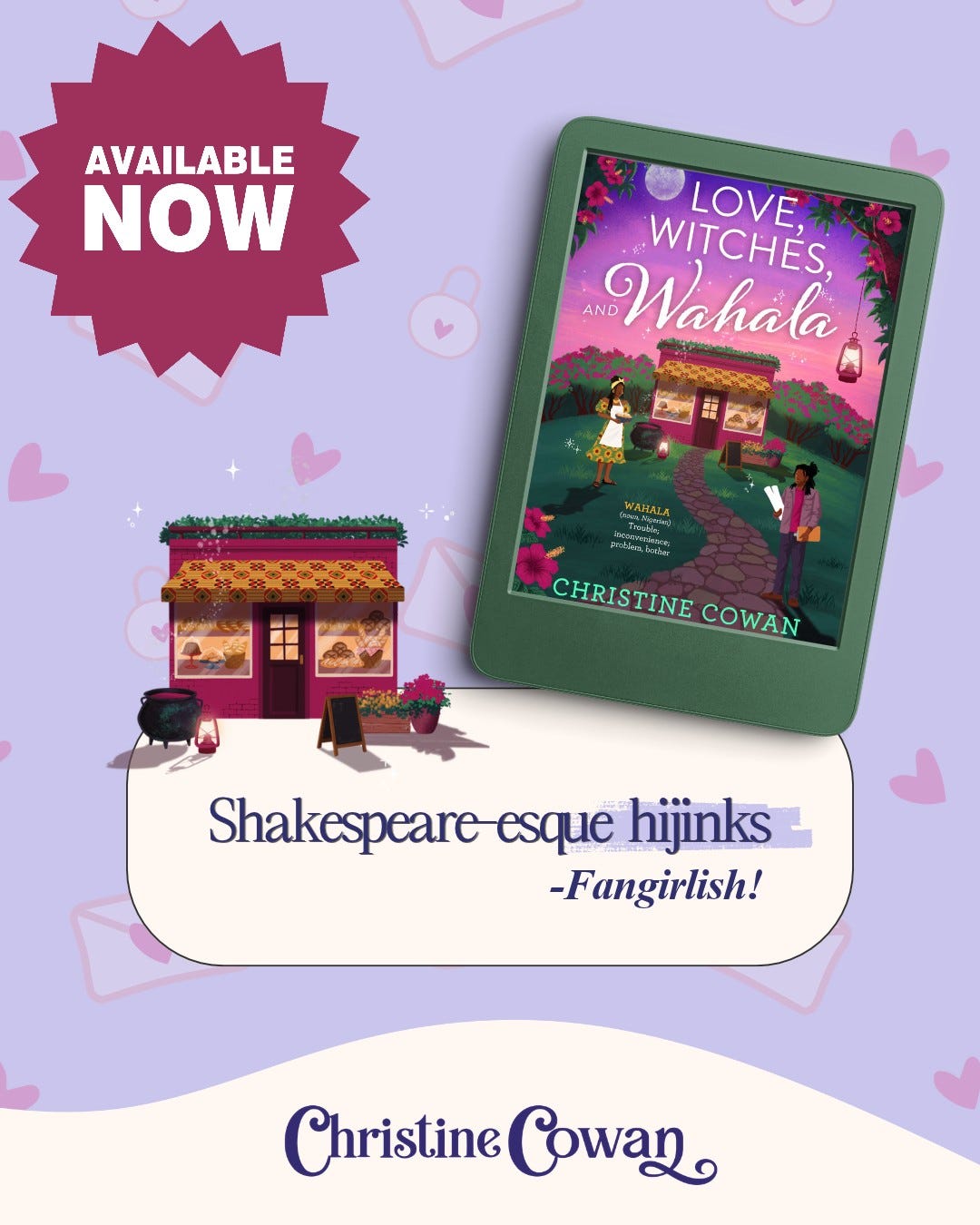
Out now: Love, Witches, and Wahala by Christine Cowan, a cozy romantasy from Orbit, in paperback, ebook, and audiobook.
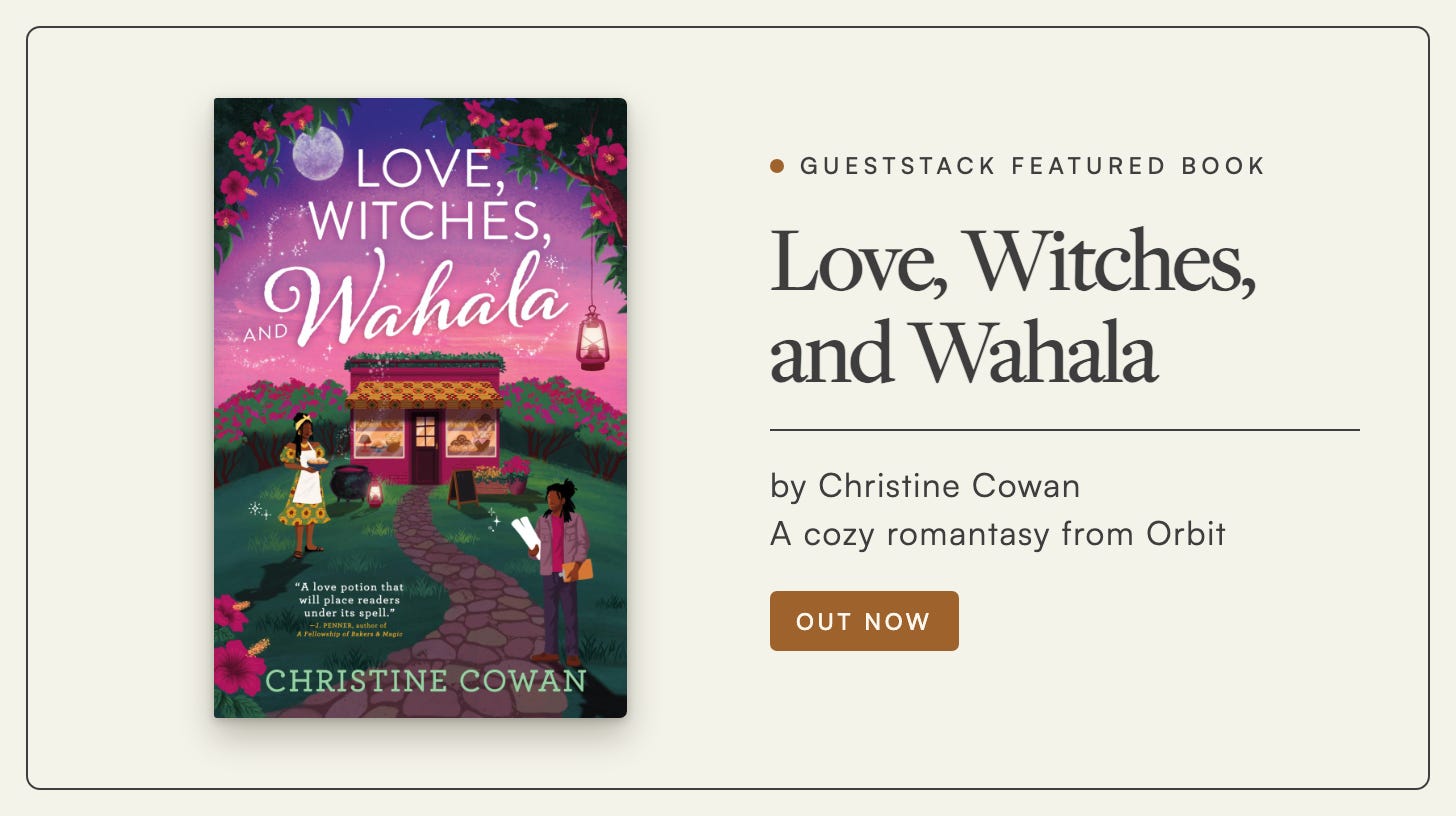
✍️ Get your copy of Love, Witches, and Wahala
📚 Editor’s Note: A Debut Novel Written in Bed, at Night
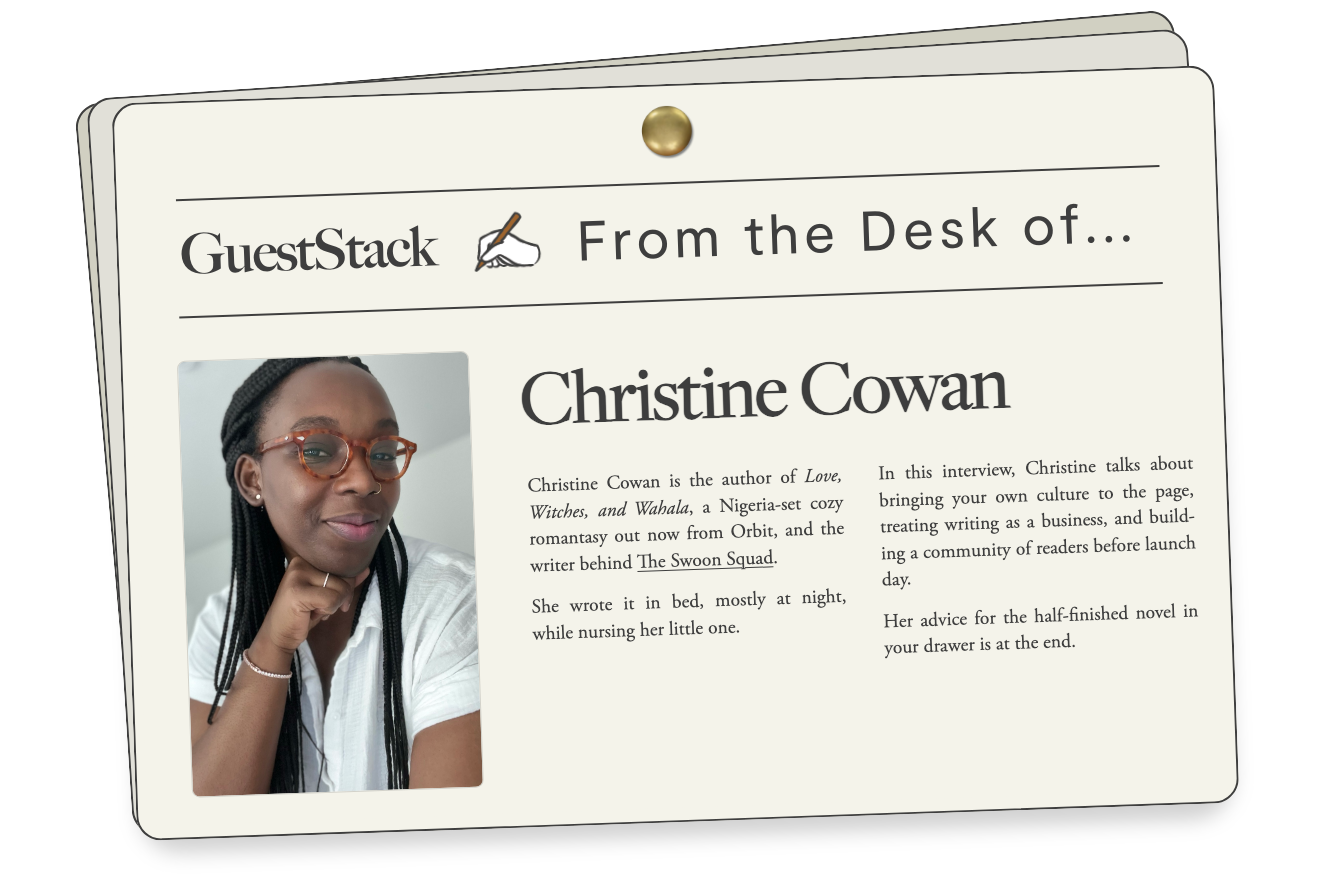
Christine Cowan’s debut novel, Love, Witches, and Wahala, came out from Orbit on November 17. It’s a Nigeria-set cozy romantasy about Nneka, a witch with a bakery and a family curse. Her love potion ends up in her famous puff-puffs, and every man who eats one falls in love with her, except Dakoru, the architect determined to reshape Kamalu Lane.
Christine and I are launch twins. Her book came out one day before my romantic thriller novel, Let Me Be Your Ghost, and she still made time to answer these questions during her own launch week.
In this interview, Christine talks about writing the book in bed while nursing her little one, getting her first request less than an hour after she started querying, and why she thinks the market does matter. She also shares how she built The Swoon Squad and a street team before launch day, and what to do this week if you have a half-finished novel in a drawer.
If you’re drafting, querying, or getting ready to launch a book of your own, save this one.
– Amy Suto
Editor & Curator of GuestStack
🖋️ From the Desk of Christine Cowan
Where’s your desk these days — and what does it look like?
My desk was actually my bed! I wrote Love, Witches, and Wahala while nursing my little one, and mostly at night. So there wasn’t a fancy writing setup or a dedicated office. LOL
Love, Witches, and Wahala puts a love potion in Nneka’s famous puff-puffs. Where did the idea come from? What came first: the curse, the bakery, Nneka or Dakoru?
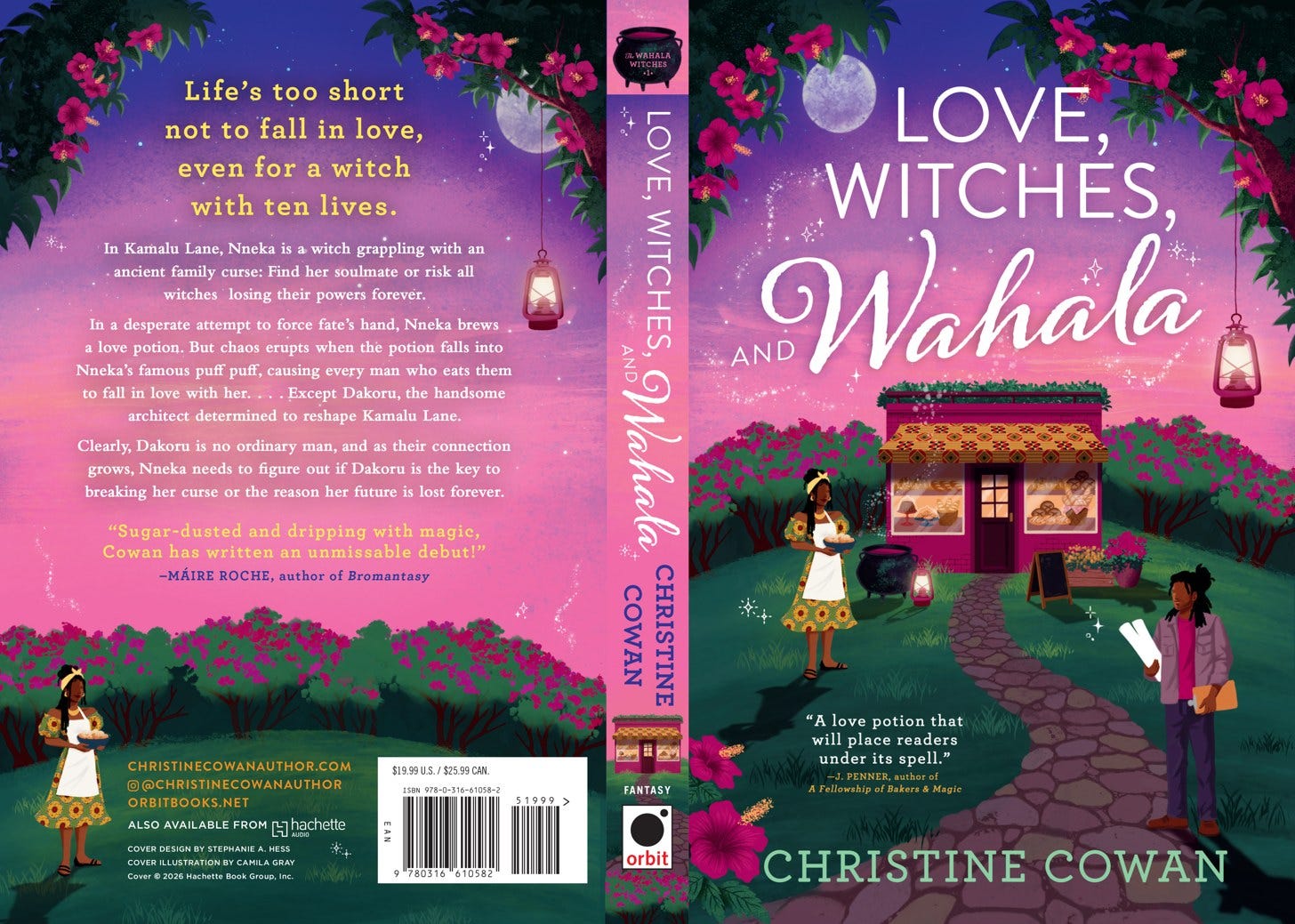
The initial idea started with wondering what it would mean to have multiple chances to get something right, and what would happen if you were running out of those chances. That eventually became the foundation for Nneka’s curse.
The curse came first, followed by the bakery. Once I knew who Nneka was and what she was up against, I wanted her to have an everyday life beyond being a witch with a terrible problem to solve. The bakery gave her that. It also gave me a wonderful opportunity to bring Nigerian food into the story and, apparently, cause a little wahala with puff-puff!
The book is full of Nigeria, from the Pidgin to the puff-puff. What did you most want readers to taste and hear on the page? Any advice for writers who want to bring their own culture to the page?
I wanted readers to experience my culture through my eyes, because that’s something that can be surprisingly rare for us to find. I wanted the Nigeria in the book to feel familiar to those who recognize it, but also give readers who haven’t experienced it a chance to discover a different side of the country.
My advice to writers who want to bring their culture to the page is to take your time and be authentic. Don’t feel pressured to explain every cultural detail or make everything accessible to someone who isn’t familiar with it. Most importantly, write the culture as you know and experience it, rather than trying to fit it into someone else’s expectations.
You drafted this book between October and December 2023 (”never do this,” you told your readers), and you’ve called Book 2 the hardest book you’ve ever written. What did each one teach you about drafting? Bonus points for a trick other writers can steal.
Book 1 taught me never to rush the process, no matter how badly you want the end result or how much you’re looking forward to reaching a particular goal. Getting the words down quickly is exciting, but writing a book is more than getting to the last page. Sometimes, you need to slow down and give the story the time it deserves.
Book 2, on the other hand, taught me something different: as a writer, writing through pain or joy is still writing. They just bear different fruits. Our circumstances and emotions can influence the stories we tell, but that doesn’t mean one experience is less worthy of being written than another.
As for a trick? Read a lot, and please outline! Trust me, outlining helps, even if you don’t follow it to a T. Having a roadmap can make a huge difference when you’re trying to find your way through a story.
Was there a moment you realized, “Wait… I can actually do this”?
Honestly, it was when I received my first request less than an hour after I started querying. I remember thinking, wait, someone actually wants to read my book? LOL. It gave me the confidence to keep going.
What’s something you tried that didn’t work — and what did you learn from it?
One thing I learned from querying my previous novel was that writing is also a business, and I should have treated it as such the first time around.
I spent so much time focusing on the story itself that I didn’t give enough thought to the business side of getting it into the world. I learned that writing a good book is important, but understanding the industry, knowing where your book might fit, and being intentional about how you present it are important, too.
It was a difficult lesson, but it changed how I approached my next project. Sometimes the experience that doesn’t work out is the one that teaches you what you need to do differently.
What does “making writing your job” look like in your world right now?
For me, making writing my job goes beyond sitting down to write a manuscript. It also means reading articles about writing and publishing news, keeping up with new releases in the genres I write or hope to write, and paying attention to the kinds of books publishers are acquiring and bringing to readers.
I think it’s important to understand the industry you’re trying to enter. You need to know what’s happening in the market, what readers are responding to, and where your own stories might fit. Then you take that knowledge and bring your own perspective and creativity to the story you want to tell.
Balancing writing with the rest of life means being intentional about the time I have and learning to work within the season I’m in. And the biggest surprise about the business side? You need a whole LOT OF PATIENCE. LOL. Things take time, often much longer than you expect, and learning to live with that is part of the job.
What’s one lesson you wish someone had told you earlier about the business of writing?
I wish someone had told me earlier that the market does matter. I know there’s a lot of advice about not writing for the market, and I agree that you shouldn’t chase every trend or abandon the stories you genuinely want to tell. But that doesn’t mean you should ignore the market altogether.
Writing is art, but publishing is also a business. You need to understand the readership for your book, the genres and categories it sits within, and what publishers are looking for. That knowledge doesn’t have to dictate your creativity. It can help you make more informed decisions about your career.
I think the trick is learning how to understand the market without losing your voice in the process. You don’t have to write somebody else’s story to find your place in the industry.
You built The Swoon Squad and a street team before the book came out. What has that community done for this launch?
Building The Swoon Squad and my street team has shown me that every writer has a reader. Sometimes you just haven’t found yours yet.
Having people who are genuinely excited about your work makes such a difference, especially during a book launch. These are people who talk about your book, share your posts, recommend it to others, and celebrate the little milestones with you. They help create excitement around a book, but they also remind you that you’re not doing this alone.
Building relationships with readers and other writers takes time, and it can’t just be about asking people to buy something when you have a new release. You have to show up, connect, and give people a reason to want to be part of what you’re building.
The Swoon Squad has become more than a newsletter community to me. It’s a space where I get to share books, celebrate stories, and connect with readers beyond my own work. And that’s something I want to keep nurturing long after this launch.
If someone reading this has a half-finished novel in a drawer, what would you tell them to do this week?
Read what you’ve already written. Sometimes, when you’re struggling with a story, the thought of opening a blank document and producing new words feels overwhelming. So go back to the pages you’ve written. Revisit the characters, remember what excited you about the idea, and reconnect with the story you started telling.
You don’t have to write an entire chapter that day. Maybe you add a paragraph, fix a scene, or simply make a few notes about what happens next. The important thing is to return to the story rather than keep waiting for the perfect moment or the perfect writing mood.
And please, finish the book. It doesn’t have to be perfect in the first draft. You can’t revise a story that doesn’t exist. Just write the book. 😁
✍️ Get your copy of Love, Witches, and Wahala
👋 About Christine Cowan, This Week’s Featured GuestStack Writer
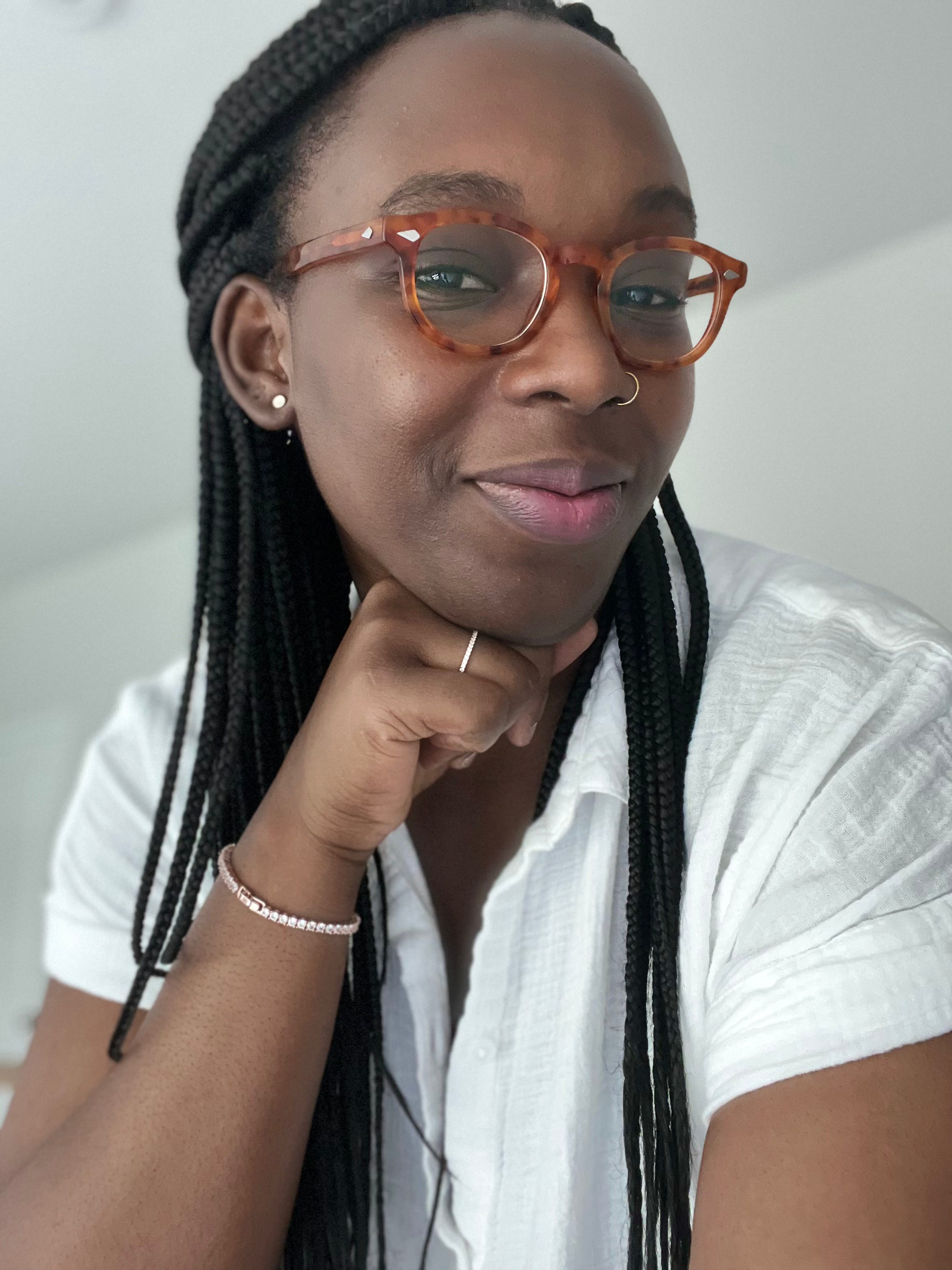
Christine Cowan is a Nigerian-American romance author who writes about African women who don’t wait around for permission. She started in journalism and mass communication. Her debut novel, Love, Witches, and Wahala, is out now from Orbit and is the first book in The Wahala Witches series. She writes The Swoon Squad here on Substack, and you can find her at christinecowanauthor.com and on Instagram at @christinecowanauthor.