


📚 Editor’s Note: Building a Writing Career Around Expertise
Andrii Buvailo, PhD brings a rare combination of scientific depth, editorial clarity, and business pragmatism to his writing life. With a background in pharma, biotech, and life sciences, he has built a six-figure ghostwriting business while steadily growing bestselling Substack publications at the intersection of science, technology, and society.
In this conversation, Dr. Andrii Buvailo shares what it actually looks like to make writing your job when your work is rooted in technical expertise — from why generalist writing is increasingly hard to monetize, to how building an audience before quitting your day job can dramatically change your odds.
He also talks candidly about designing a digital-first career, why not all platforms are created equal for analytical thinkers, and how Substack fits into his long-term vision as he works toward writing a popular science book of his own.
This is a grounded, no-nonsense look at writing as a profession — especially for those who don’t only see themselves as “creative writers,” but who have deep knowledge, strong opinions, and a desire to build something sustainable with their words.
– Amy Suto
Editor & Curator of GuestStack
✍️ From the Desk of Andrii Buvailo, PhD
Where’s your desk these days — and what does it look like?
These days I live in Valencia, the third largest city in Spain. Our apartment is right next to the City of Arts and Sciences, designed by famous Valencian architect and engineer Santiago Calatrava – it is visible from our living room window. I find it quite symbolic, considering my passion for science and writing!
At home I have a small but private office space to hide from the chaotic routines of parenting life, because I really need quiet space to focus. I don’t know how the concept of open space is so popular in the modern corporate world, I think it is a terrible idea!
You create at the intersection of science, technology, philosophy, and society on your Substack Where Tech Meets Bio and beyond. What is the most exciting thing you’re working on right now?
A bit funny to say that, but the entire Where Tech Meets Bio newsletter started accidentally, a couple years ago, I was just looking for a free and less cluttered alternative to my media company’s MailChimp account. So I registered with Substack and started sending our usual business intelligence reports about the biopharma industry via Substack. After a while of doing it, I realized, with surprise, that we are onto something bigger than the original goal of just running our usual email marketing routine! That’s when I started to actually think about it as an editorial project, brainstormed structure, paywalled content concepts, and other “Substack-native” features. However, much as I enjoy contributing to Where Tech Meets Bio (these days it is run by a company team, and I just occasionally write an article or two), my 2026 goal is actually shifted to a new idea, a “truly Substack native” project, it is called Molecules & Empires. The idea is to go beyond my first newsletter’s narrow focus on pharma and biotech business intelligence, and focus on broader and maybe even more philosophical questions about how science and technology really impacts and shapes our lives and the future – both the good and ugly sides of things. It is not limited to life sciences any longer, conceptually, and I am really excited how this project will go in 2026! Please, check it out :-)
What does “making writing your job” look like in your world right now?
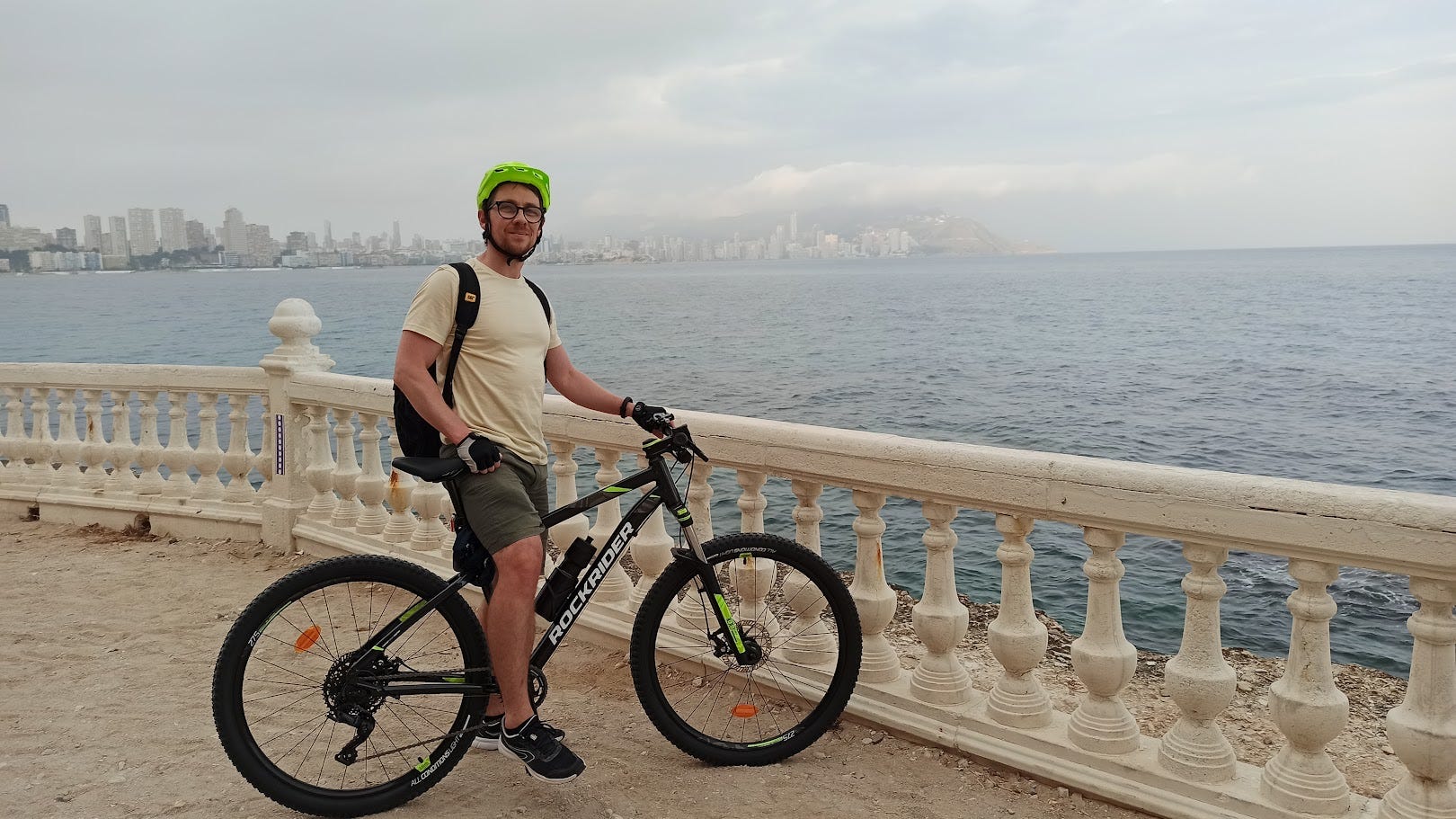
Yes, I am quite proud to say that writing is literally my job and my career these days. I don’t have a job, I parted ways with my last corporate job more than two years ago and I’m not looking back! I make money for daily life mostly via my ghostwriting agency: AB Research & Media, it is a 6-figure business that I run as a solopreneur in Spain and I am helping C-suite folks in pharma and biotech industries or venture capital folks to build their presence on LinkedIn. It’s just less than two years old agency, but the traction was surprisingly good. I attribute it to two reasons. First, my established presence on LinkedIn (36k+ followers), and second, a laser focus on a very technical and high value niche. I work only with executives in a very specific industry segment (tech-enabled pharma/biotech, AI-driven drug discovery, chemistry). The work takes roughly 20-30% of my time per week, and I intentionally avoid filling all my time with ghostwriting, even though I sacrifice much higher revenue potential here. The reason is that it is really exhausting work and also it is work that does not scale. You sell your time without any upside growth potential, and if the market suddenly changes (e.g. AI-driven disruption), this revenue may change sharply. So I spend the rest 70-80% of my time experimenting with other things that can actually scale long term: Substack newsletters, occasional consulting, building a digital product, and also the early phase of writing my first book.
What’s one lesson you wish someone had told you earlier about the business of writing?
The lesson is a bit brutal: don’t listen to anyone telling you that you can make writing your job without two things being true:
1) you should have a specific and unique technical/scientific/professional knowledge to write about. For instance, It is unlikely to build a ghostwriting agency or a meaningful writing business focusing on just broad, vague topics, or “general purpose” copywriting services. AI tools (ChatGPT etc) can do general-purpose writing for anyone for like 25 bucks a month, including sales copy, social media posts etc. So no one would pay high ticket money for such work. On the other hand, if you are a financial expert, a scientist, a skilled worker in some industry – you can absolutely make writing your job, writing for the relevant audience who needs your skills and experience.
Now, this limitation has an exception: if you happen to be a genuinely ‘great’ writer, with a genuinely unique writing style, personal voice, you can probably make money writing about ‘anything’. I know such folks, they are ‘just great writers,’ and earn by writing without specific professional skills beyond writing itself. But it is way harder and rarer than people tend to think. Yes, everyone can write ‘something.’ But good luck trying to monetize ‘something’. In my experience, I am making decent money as a writer not because I am a great writer (I am certainly not), but because I have a unique technical skill-set and industry experience that I can write about.
2) You absolutely should build your audience before you can expect to make decent money as a writer. It can be anywhere: LinkedIn, Instagram, Tik Tok, Substack, X, whatever. It does not have to be millions, but it has to be meaningful, and relevant to your niche. I spend at least two years building my LinkedIn presence while working at a corporate job. And only after I had like 20k followers on LinkedIn, I dared to part ways with ‘9-5’ salary stability. When I announced my ghostwriting agency back in 2024, I got clients almost immediately, folks from my followers who wanted to have a similar LinkedIn presence as I did.
What’s your writing routine like when you’re creating pieces for your Substacks, if you have one?
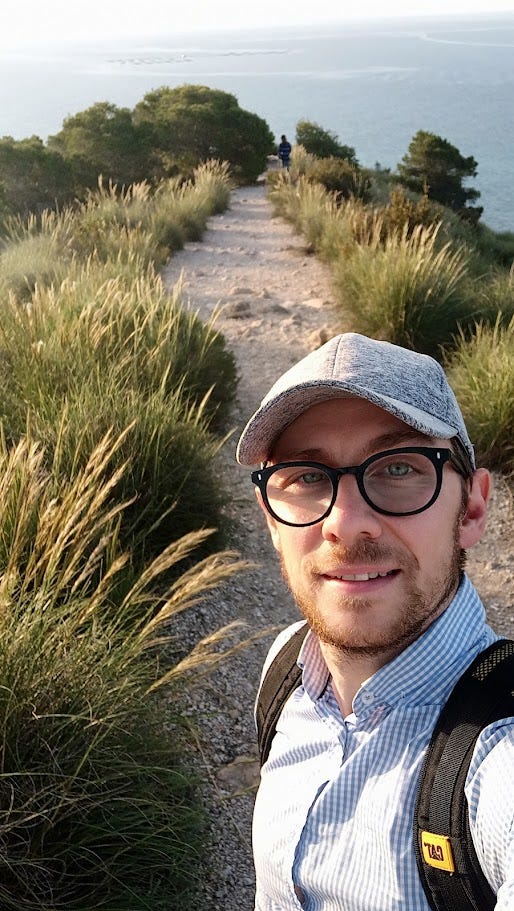
I write during the day, after I take my kid to school and morning coffee with my wife at a nearby cafeteria, or light sport session every other day. Then I come home and hide in my small but private office space, and just disappear from the world for several hours. My “office life” revolves around a drawing board that I use to brainstorm stuff the old school way, rather than doing it on a piece of paper or, God forbid, on a computer… Standing near a drawing board is not only inspiring to me, but it is actually good for health to interrupt sitting in the chair for hours. People underestimate how sitting for hours slowly kills their health and ages them faster.
Was there a moment you realized, “Wait… I can actually do this” in your career?
My dream started feeling real when I got early traction on LinkedIn, with people citing my posts, with first viral posts (above 1k likes and hundreds of thousands of views) and so on. As I already told earlier, I think before you try to commit to writing as a real business, it is a very good idea to battle-test your writing ability somewhere in social media. You can do it while working a daily job, safely. You achieve two goals in parallel by doing it: 1) you get a real-life testing if you are able to write in a way that people follow you, a business idea test if you like, and 2) you build early audience that you can later talk to when you actually launch a ‘serious’ writing project (a book, a newsletter, a digital product, etc).
What’s something you tried that didn’t work — and what did you learn from it?
I tried writing on X (formerly Twitter) and it just didn’t work for me. The style of writing that gets traction on X is just not what I like to do. I mean, I can probably ‘hack’ my way there, engineering the type of tweets that go viral, but I just don’t like the idea of ‘hacking’ algorithms or attention. I write in a more analytical, editorial style, I think. So I gravitate to places like LinkedIn, Substack, writing guest features for various established media like Forbes Technology Council, or my company BiopharmaTrend, etc. By the way, I just started my Medium blog a couple weeks ago, and hope to get it going in 2026.
How do you find or create opportunities for yourself as a creator?
Mostly, it is serendipity and constant process of reading/curating on LinkedIn and a dozen media outlets I follow in my niche. I tend to find creative opportunities in the news about my industry. When something truly interesting emerges, I think about how I can relate it to what I know, to the past, to the future opportunities… How I can put the news into a broader perspective, make sense of what’s happening under the hood.
What’s the best investment you’ve made in your creative or intellectual life (time, money, or energy)?
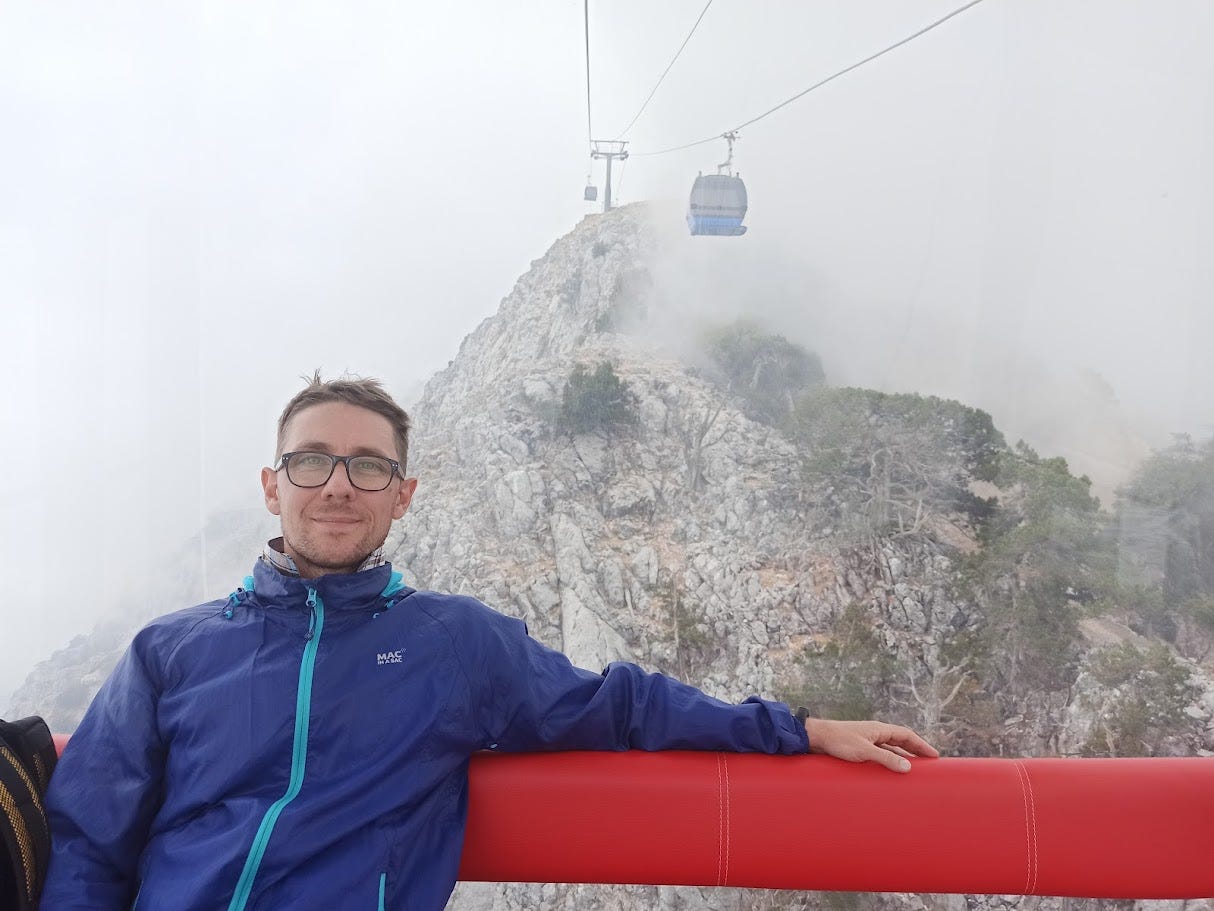
My absolute favorites: LinkedIn presence. I already discussed why.
Second, digital-first career strategy (I realized early in my life I wanted to be place-independent with my life, so I prioritized developing skills in digital business, basics of programming and data operations, e-commerce, etc, way before I even thought about being 100% digital entrepreneur.
Later, it saved me and my family in a literal sense. I used to live in Ukraine, but moved to Europe shortly before the full-scale war in Ukraine started. My long-term focus on a digital-first career allowed me to accommodate real fast, I can serve clients from anywhere, I am flexible and place-agnostic. Now we live in Spain and we like it here, but I can choose to move anywhere in the world if I need to. It is one of the greatest perks of being a writer or digital entrepreneur, in our turbulent times.
Where Tech Meets Bio is a bestselling publication here on Substack — what were the ways you grew it? Anything out of the ordinary, or surprising to you?
I would say, we grew steadily, without shocks or sudden sparks of growth. Several articles went really well on the selling side of things, so the entire revenue is based on just a number of best-sellers which generated a lot of paid subs. And the rest is a long tale of articles with just a small number of subs. But it adds up with time.
I think what is interesting is that we are living proof that you don’t need to be a really creative, fun writer to grow on Substack. We are growing with a very down to earth content, business intelligence and occasional editorial takes, but all is quite technical, with minimal interaction with the reader. We don’t run Chats or community, we just ship high quality intelligence insight and it sells. Well, with Molecules & Empires I want to try a much more ‘Substak-ish’ approach: run monthly Chat and so on.
What’s something you’re currently obsessed with — and how is it influencing your creative work?
I am obsessed with popular science books these days, I listen to a lot of Audible, and several gems I can recommend are: ‘Caffeine: How Caffeine Created the Modern World’ by Michael Pollan (very entertaining read, just pure joy); ‘Lifespan’ by David Sinclair; and ‘Algorithms to Live By’, by Brian Christian, among many others. One of my favorite sci-fi books I recently finished is ‘Contact’ by Carl Sagan.
I am dreaming of writing a popular science book, and trying to get enough inspiration from great books in this or related genre.
Also, I absolutely love living in Valencia! Writer’s paradise :-)


👋 About Andrii Buvailo, PhD, This Week’s Featured GuestStack Writer
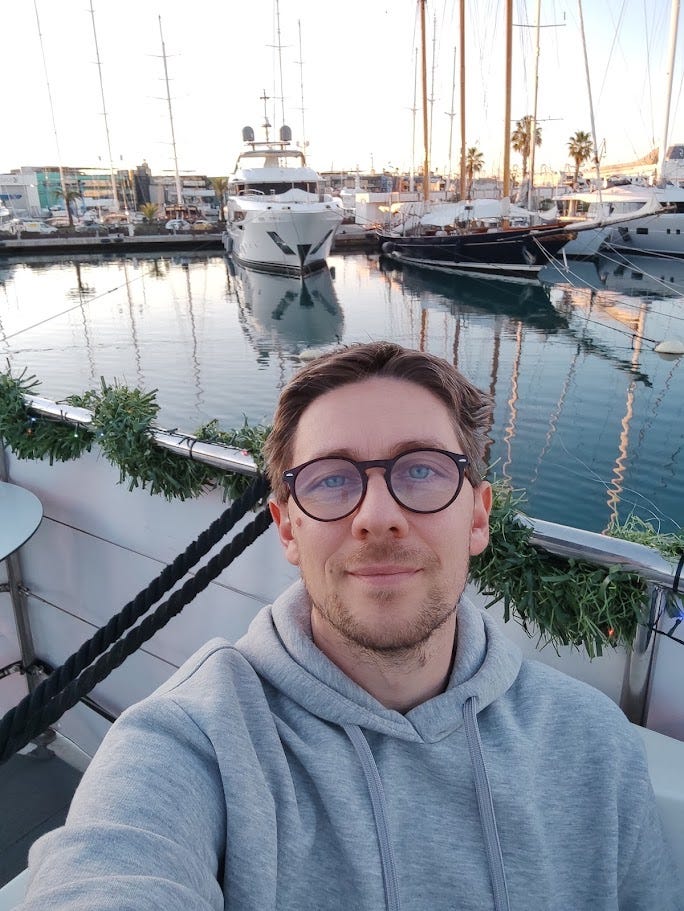
Dr. Andrii Buvailo is a science and technology communicator, writer, and analyst with a focus on the life sciences and chemical industry. Co-founder of www.BiopharmaTrend.com, solopreneur at AB Research & Media. Traveler (20+ countries and counting).
