


📚 Editor’s Note: What it Means to Be a Multi-Hyphenate
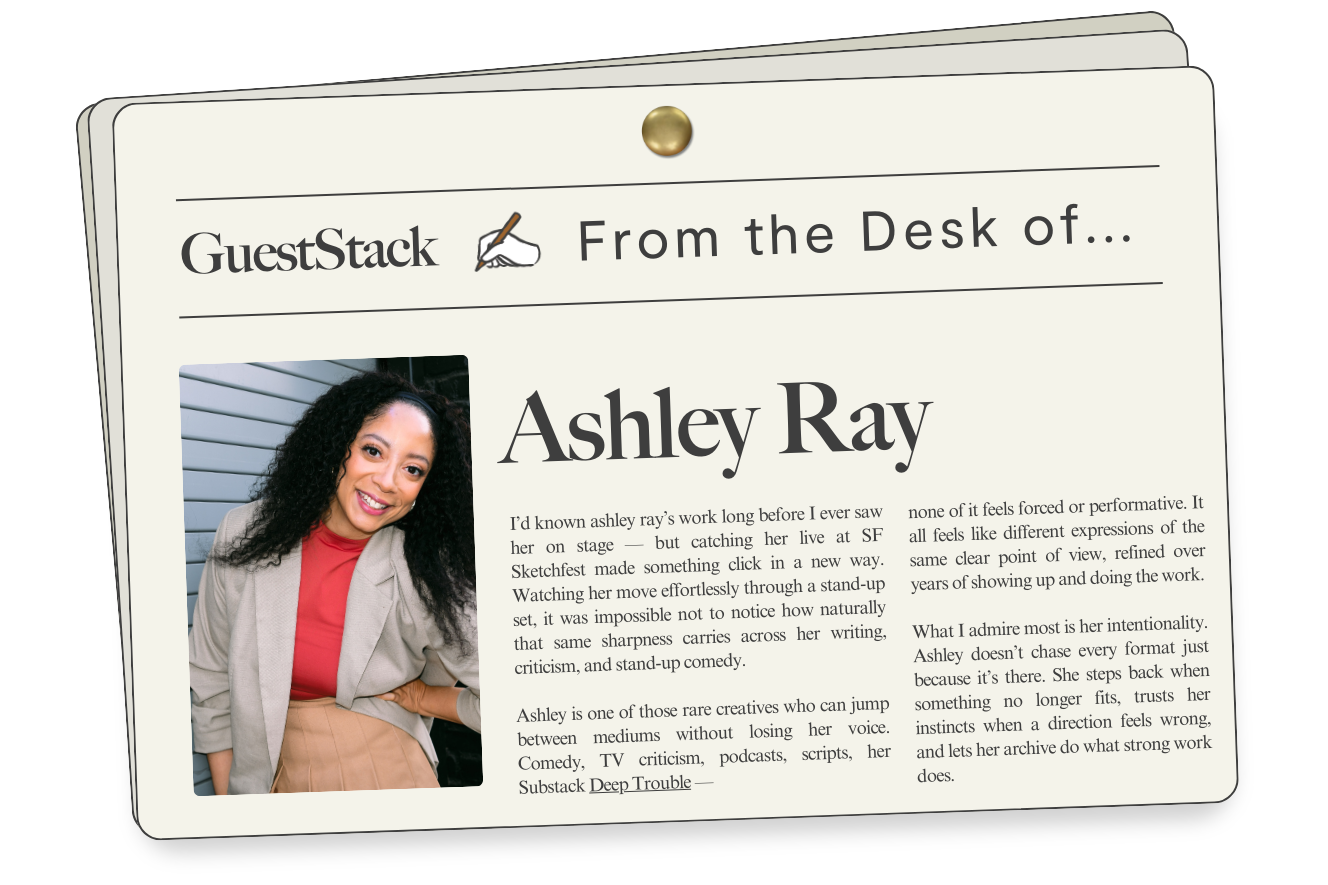
I’d known ashley ray’s work long before I ever saw her on stage — but catching her live at SF Sketchfest made something click in a new way. Watching her move effortlessly through a stand-up set, it was impossible not to notice how naturally that same sharpness carries across her writing, criticism, and stand-up comedy.
Ashley is one of those rare creatives who can jump between mediums without losing her voice. Comedy, TV criticism, podcasts, scripts, her Substack Deep Trouble — none of it feels forced or performative. It all feels like different expressions of the same clear point of view, refined over years of showing up and doing the work.
What I admire most is her intentionality. Ashley doesn’t chase every format just because it’s there. She steps back when something no longer fits, trusts her instincts when a direction feels wrong, and lets her archive do what strong work does — keep circulating and opening doors over time.
This conversation is a reminder that versatility isn’t a lack of focus. In the right hands, it’s a creative advantage.
– Amy Suto
Editor & Curator of GuestStack
✍️ From the Desk of Ashley Ray
Where’s your desk these days — and what does it look like?
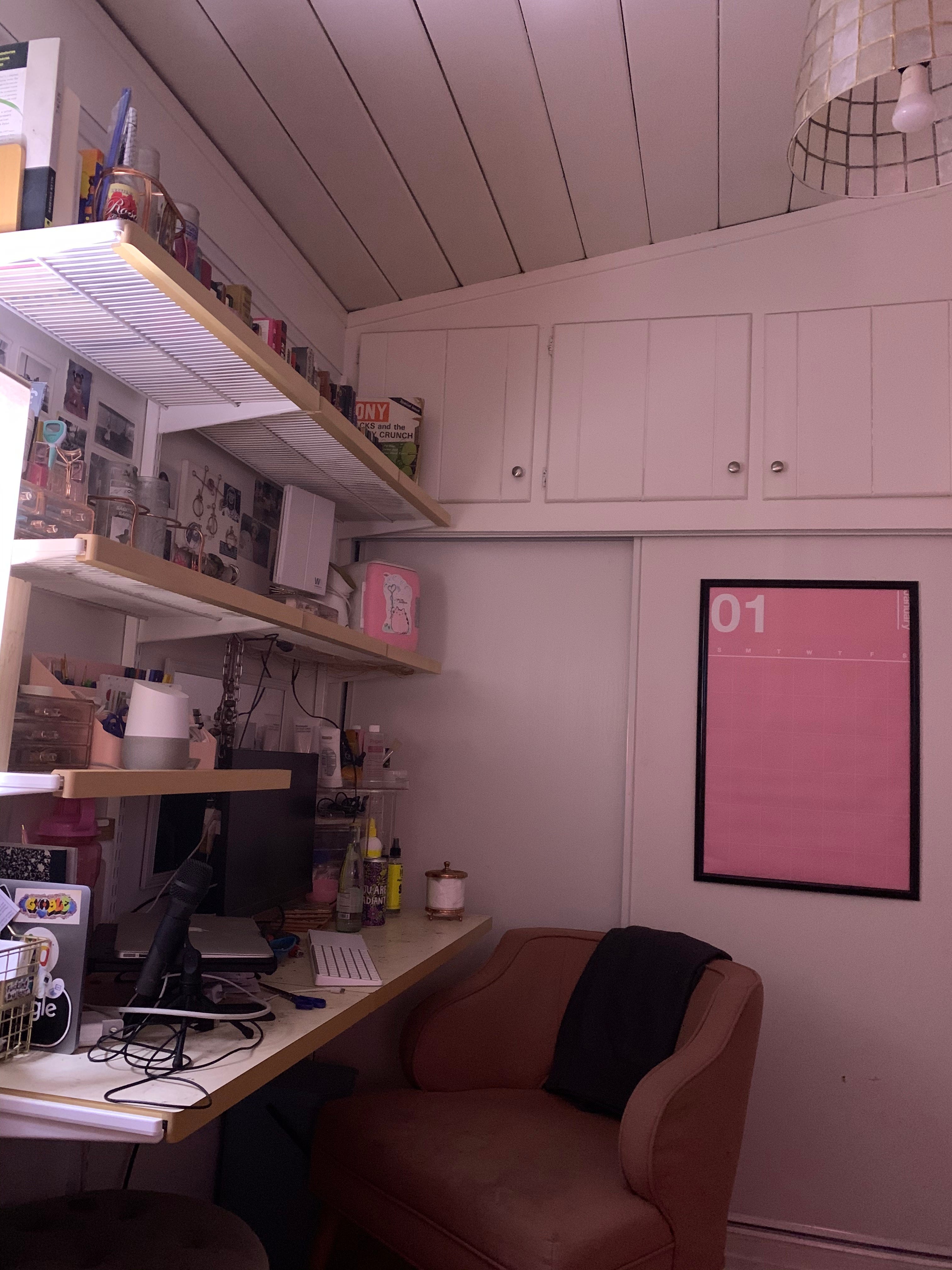
I somehow found my perfect apartment in Los Angeles and I’ve created my dream office space. I have mid-century modern wall shelves with a desk built-in. I’m surrounded by all my books. I have a little fake fireplace. It’s very cozy. I like a lived-in library vibe. I also have a mini-standing desk that moves so I can go from my desk to the couch. I also love a bluetooth keyboard so I can write in all kinds of weird positions. I usually open all my shades, make a huge pot of coffee and sit in front of my planner, calendars, markers and pens.
You’ve got a lot going on between your podcast/video show TV I Say and your Substack Deep Trouble. Can you tell readers a bit about how you’ve crafted a space for clever entertainment criticism and comedy under one roof?
It hasn’t been easy! 2025 was definitely a year where I had to slow down and really focus on what I want my writing career to look like. I’ve always been known as someone who “does too much.” I really do love doing it all - comedy, criticism, scripts, podcasts, interviews - and I’ve always tried to bring that all together for people. It’s why Deep Trouble can cover such a wide range of topics. I wrote too much. I posted too much.
I wanted to bring TV I Say to a close so I could focus on more non-TV things and define my lane, but there was a huge response to bring it back. That’s what Courier Media wanted to do. People just love my TV takes too much, I guess. We decided to change the format to a podcast/video show. Figuring out that new dynamic meant I had to step away from Deep Trouble for a while. But one thing about doing “too much” for so many years is that I had this huge archive most of my readers knew nothing about. Articles I wrote three years ago still get actively shared and commented on. I could afford to take a break and focus on something else. I think I crafted a space where my readers trust me even if I have to take a break because I have this decade-old archive now. They know it probably means I’m just working on something else, whether that’s a youtube show or comedy album. This year, I’m ready to get back to writing and Deep Trouble.
What does “making writing your job” look like in your world right now? Your work spans mediums across Substack and YouTube, so would love to hear about how you make everything happen in your world as a talented multi-hyphenate.
To me, “make writing your job” means being flexible. I have personal writing projects that are fun, but I also write for clients doing sponsored content and technical writing. It isn’t “sexy” or fun, but writing for different mediums allows you to make it a job while you wait for that next big project. I think the biggest surprise is how often people reach out to hire me because of something I wrote years ago. It’s easy to feel like your work is ignored or forgotten, but someone is paying attention so keep going.
What’s one lesson you wish someone had told you earlier about the business of writing and creating?
You don’t have to do one thing, actually! Early in my career, I was so worried about finding my lane because so many people told me I did too much. I was terrified of being seen as a jack of all trades/master of none. I thought I had to simplify my voice so I could be easily branded as “the tv person” or “comedian.” I’d avoid writing a more serious piece or talking about a non-TV thing because I didn’t want to confuse people or complicate my “brand.” Good audiences are smarter than that. I think people are tired of engaging with people who feel like they need to “live” their brand 24/7. Be authentic. Do what you care about. Write about what interests you. There are no lanes anymore. People under 20 don’t know what a legacy publication even is now. There used to be a set way to “become” a writer or comedian, but those things don’t matter anymore. If you’re finding your audience, you’re already doing it.
What’s your creative routine like if you have one? If not, what are other ways you feed your creative or artistic process?
Morning coffee, sort through emails, write morning pages. I try to go to three open mics a week to work on new jokes. Sometimes I’ll do a “joke a day” thing where I make myself write a new topical joke every day for a month. I usually need to work completely alone. I’m easily distracted. If I have friends around, I want to talk to them. If I’m in a cafe, I’ll chat with strangers before I write a word. I’ve written to the same playlist since 8th grade, but it’s just songs from different movie soundtracks.
Was there a moment you realized, “Wait… I can actually do this” when it comes to being a successful creator?
When I sold TV I Say to Earwolf back in 2022. I started that podcast independently during the first year of the pandemic. It was just me, talking into a microphone under my bed. Also when Maria Bamford hired me to edit her audiobook and memoir. She is my comedy mentor and hero. Working with her was incredible and she gave me the nicest shout out.
What’s something you tried that didn’t work — and what did you learn from it?
YouTubing a podcast! I think a lot of networks think they can take something that worked in podcast format and just put it in front of cameras. When we moved TV I Say to YouTube, I wanted to completely change how we did the show. You have to give people a reason to look at the screen. It didn’t feel like the show I wanted to make. I had to decide if I wanted to keep doing something that felt wrong because it’s what other people wanted. I decided to end it and focus on the show I want to make. Haha, I guess this is fairly new news since we just dropped the final episode last Thursday. I learned to trust my instincts. I felt so new in this industry that I took any advice or guidance I could get. I figured if other people had an instinct to do something a certain way, why not do it? I had to waste a lot of time to realize everything isn’t for me and spreading myself so thin impacts the things that are for me.
How do you find or create opportunities for yourself as a writer and creative?
Yapping. Yapping all the time, everywhere. I got my first byline at the A.V. Club because I was non-stop posting my thoughts on Beyonce’s Lemonade on Facebook. An editor happened to follow me and reached out. Back in the day, tweeting a thought could turn into someone reaching out for a pitch. When I go out to events, I yap. There was an open mic at my favorite bar in Chicago. I’d go, chat with people and eventually some comics were like “hey, you’re funny, you should try it.” If you’re comfortable approaching people cold, sending pitch emails is easy.
What’s the best investment you’ve made in your writing and creative life (time, money, or energy)?
You gotta invest in your workspace. I spend a lot of time writing alone so I made a space that doesn’t drive me crazy. Once every two years or so, I call 1-800-GOT-JUNK and get rid of tons of stuff I don’t use anymore. If my space feels cluttered, it’s hard for me to focus. It’s worth it and sometimes they tell you stories about being on Hoarders.
Deep Trouble is a bestselling publication here on Substack — what were the ways you grew it? Anything out of the ordinary, or surprising to you?
You never know what’s going to catch on with people. My most read pieces are about true crime and gangbangs. I guess those are fairly scandalous topics, but I try to create content that remains relevant. Guides I wrote two years ago are still shared as best practice. A lot of those pieces started as jokes or half-thoughts. Also, I try not to follow hot topics and trends. Of course there are big things I’ll respond to, but I don’t want to give people something they can get from social media. People really are eager to go deeper than TikTok!
What’s something you’re currently obsessed with — and how is it influencing your writing or creative practices?
I’m currently obsessed with Rob Rausch from Love Island on Traitors. I’m already obsessed with Traitors, but he’s a top tier TV crush. I also watched all of Shahs of Sunset and Vanderpump Rules. I’m writing some new scripts and I like to step away from narrative TV when I do that. I’m also crafting a lot. Relearning how to knit, getting into heat transfer vinyl and sublimation. I got a Cricut and that’s another great thing I spent money on. I am motivated by stickers and nice organizers. I make all the stickers I want now and get them when I hit writing goals.

👋 About Ashley Ray, This Week’s Featured GuestStack Writer
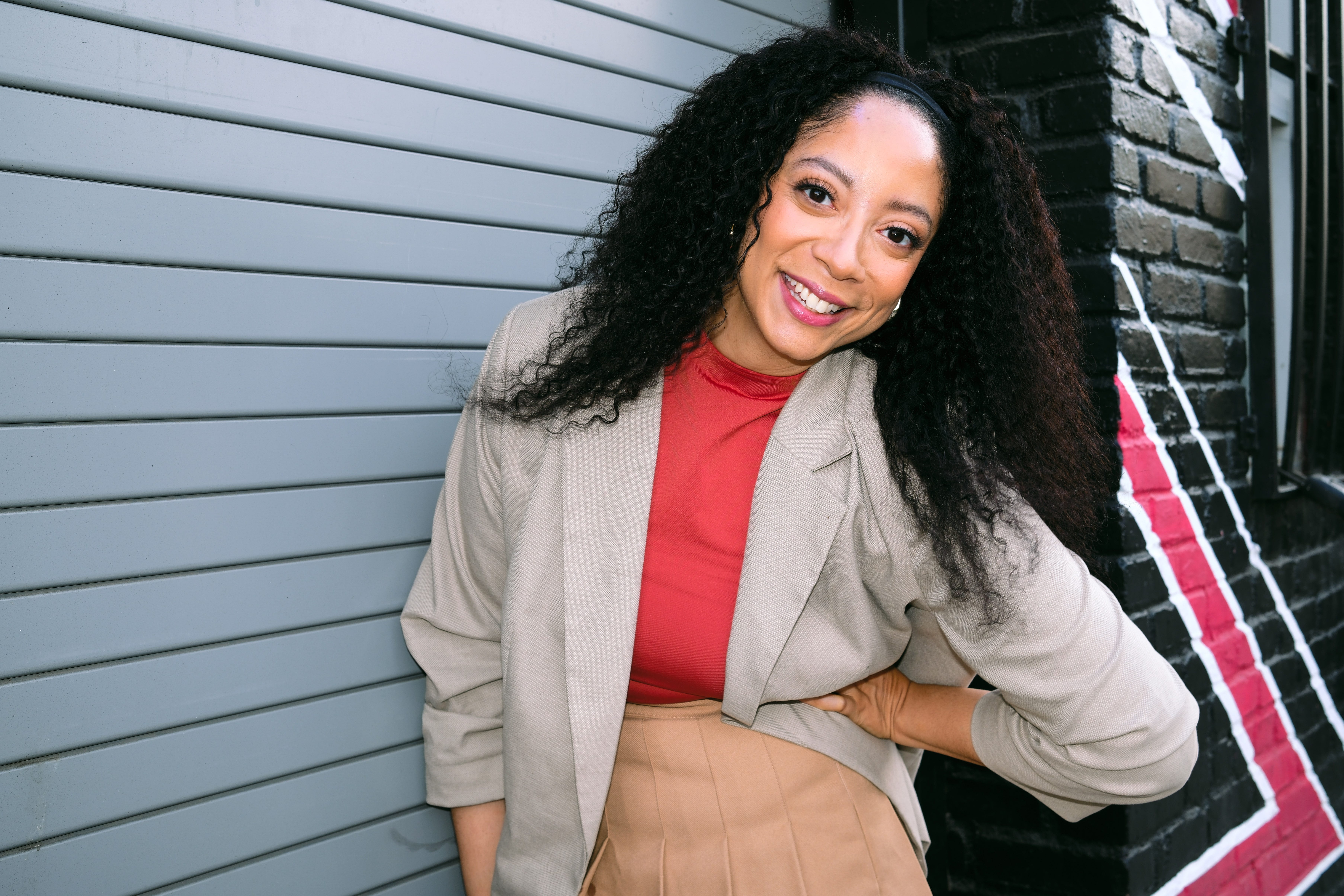
Ashley is a Los Angeles-based writer and comedian. She is currently producing an audiobook with KeyTV and Audible, premiering in 2026. She’s been featured in Bust and Paste Magazine for her “whip smart TV criticism.” And yes, she’s also famous for smoking pot.
In 2022, Ashley wrote on Adult Swim’s, Alabama Jackson created by Donald Faison. Before becoming a TV writer, Ashley was a culture critic who wrote for Vulture, the A.V. Club, NY Mag, The Cut, Harper’s Bazaar, and more.
Ashley was selected as an HBO Queer Comics to Watch for 2021 and filmed a digital special for the platform. That same year she did a sold out hour at Union Hall in NY. Her debut album, Ice Cream Money, debuted on Blonde Medicine in 2024. That same year she was a BET Black Woman Comic to Watch.
From 2020 to 2026, Ashley hosted ‘TV I Say with Ashley Ray’ which was featured in the New York Times as a 2021 Podcast Worth Checking Out.” An independent podcast she started, it focused on all things TV. It was later bought by SiriusXM. It was nominated for a 2022 iHeartMedia Podcast Breakthrough award. She’s been a guest on a number of your favorite podcasts including NPR’s Wait Wait…Don’t Tell Me, Lovett or Leave It, and Seth Rogen’s Storytime.

Love Ashley Ray!!