


📚 Editor’s Note: Writing That Actually Helps
Christopher Pepper’s work sits at an intersection that a lot of writers talk about — but fewer actually execute on: writing that is both meaningful and genuinely useful.
His book, Talk To Your Boys, is exactly what it sounds like — practical, direct, and designed to help parents navigate the conversations that are often the hardest to have. What makes it work is the foundation behind it. Christopher isn’t writing from theory alone. He’s bringing in years of experience as a teacher, a facilitator of boys’ groups, and a parent himself. You can feel that lived perspective on every page.
In this conversation, he shares what it looks like to build a writing life alongside other work, rather than trying to force writing to carry everything financially from day one. He also gets specific about the business side — from the value of a strong book proposal to the often-overlooked opportunity in speaking.
If you’re someone who wants your writing to actually land — to be read, used, and returned to — there’s a lot here worth paying attention to.
– Amy Suto
Editor & Curator of GuestStack
✍️ From the Desk of Christopher Pepper
Where’s your desk these days — and what does it look like?
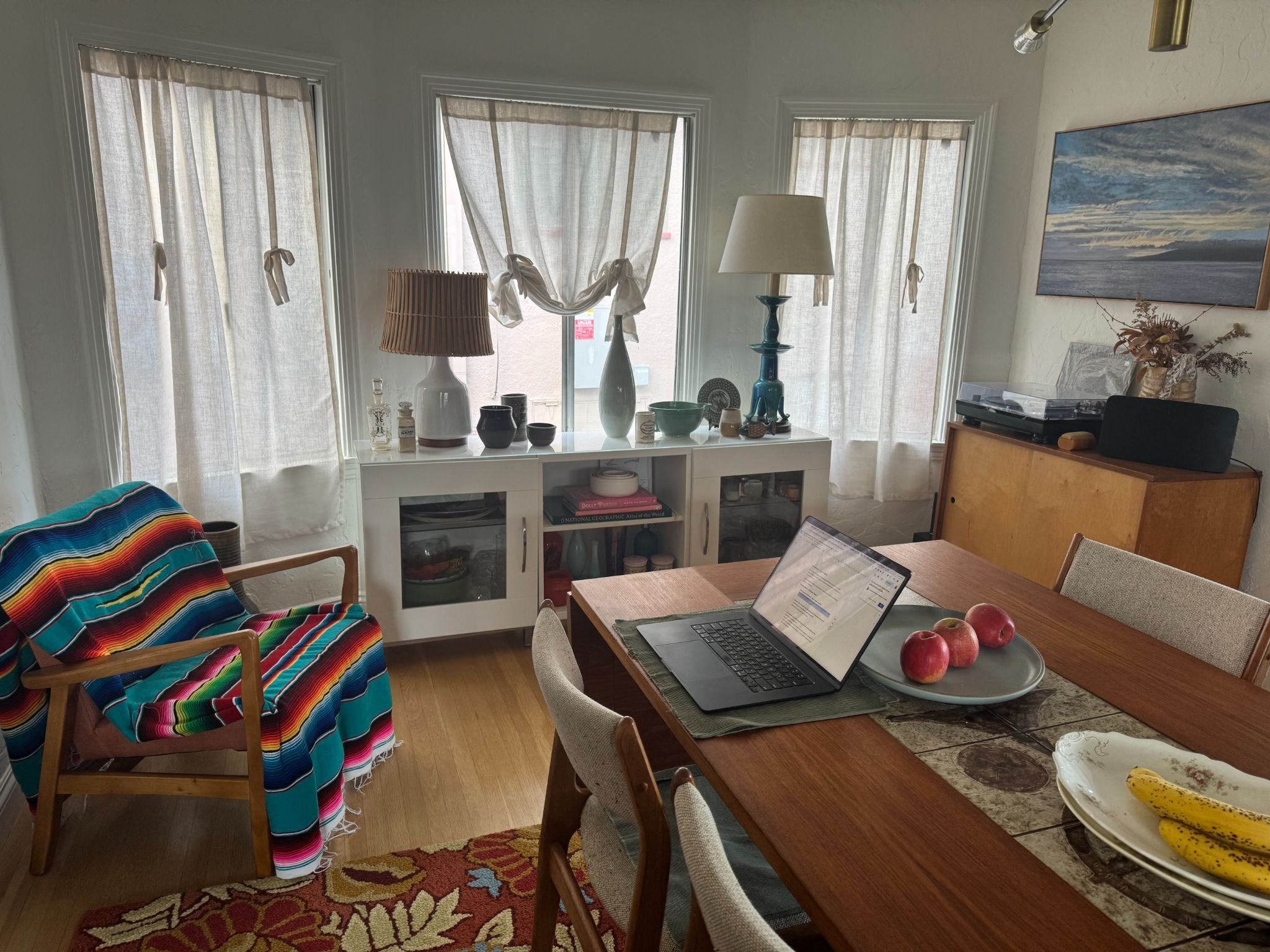
This is my favorite place to write - the big dining room table in my house in Berkeley. When I was writing Talk To Your Boys, I did a lot of the editing on paper, and it was nice to have the table space to spread out multiple pages and see it start to come together as a book. This room is also also where I like to set up for TV interviews.
Your book Talk to Your Boys was named a best book of 2025. What inspired you to write that book, and can you tell our readers a bit about it?
Talk To Your Boys is designed to be a very practical, approachable book for parents who want help reaching their tween or teen boy, talking to him about tough topics, and guiding him on a path to becoming a caring, connected, and confident young man. It’s packed with helpful advice, scripts, and tips for how to have better conversations with boys.
My co-author Joanna Schroeder saw how much interest there was in this topic when her New York Times essay “Racists Are Recruiting. Watch Your White Sons.” went viral, and soon after she approached me about working together on this book. I was able to bring in my experience as a father, a high school teacher, and a facilitator of boys’ groups that focus on sharing emotions and building connections. Writing together worked really well for us, helped keep our progress on track, and made the whole book stronger.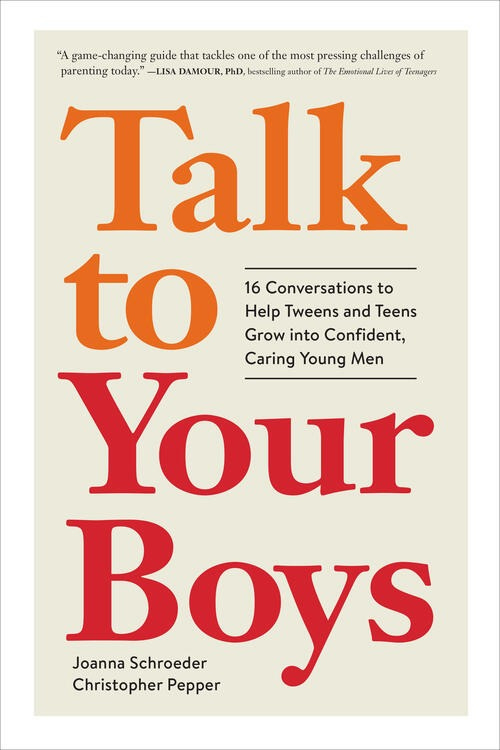
As a successful author and Substack creator, what does “making writing your job” look like in your world right now?
I’ve seen my spouse, author Thea Hillman, find success as a writer and win awards while holding down a day job, and I’m very comfortable with that model. I love teaching and working with youth, and I also like being able to share ideas with the bigger world. I don’t feel like I have to make all of my income from writing to feel successful, but I’m thrilled to be bringing in real money from Substack subscriptions, book sales, and book-related speaking engagements.What’s one lesson you wish someone had told you earlier about the business of writing?
One lesson that I’ve learned is that there is a lot of money available in public speaking, so if you are publishing a book and want to make the most of those opportunities, developing an interesting, funny, polished 45 minute presentation before your book launch is really smart.What’s your writing or creative routine like if you have one?
I usually get up earlier than everyone else in my house, and for me that is a great time to get things done. I’m a lot more productive in the morning than I am if I try to stay up late.
Outside in Wisconsin, my home state Was there a moment you realized, “Wait… I can actually do this” as an author and creator?
Signing a book contract with Hachette was when it really started to seem real, but I don’t think anything was as meaningful as when we started to get blurbs from incredible writers who genuinely liked our book.What’s something you tried that didn’t work — and what did you learn from it?
I graduated from college with a journalism degree in 1997, expecting to have a career writing for newspapers and magazines, only to see almost all of those jobs evaporate within a few years as the industry changed. I transitioned into teaching, thinking my writing days were probably over, but I now see that everything I learned from teaching made it possible for me to write with a level of knowledge, experience, and expertise I would never have had otherwise. Sometimes you have to do some living to have something to write about.How do you find or create opportunities for yourself as an author and creative?
I genuinely like to celebrate other writers’ work, and try to develop a sense of shared mission with writers who cover similar territory. I’ve found that people respond to warmth, generosity, and human connection.What’s the best investment you’ve made in your writing life (time, money, or energy)?
Joanna and I spent almost a year crafting a 60-page book proposal for Talk To Your Boys, and by the time we sent it off to editors it was really polished and strong. The book’s structure was clearly mapped out, with two chapters fully done. In addition to helping us sell the book, it also made it much easier to complete it.Teen Health Today is a bestselling publication here on Substack — what were the ways you grew it? Anything out of the ordinary, or surprising to you?
At first, I thought I would mostly be writing for other teachers, and called my newsletter “Teaching Health Today.” After a few months, I realized that I wanted to broaden the audience to include parents and other caring adults, and renamed it “Teen Health Today,” and it really started growing after that. My most popular pieces are often “how to” articles about things that people are struggling with, like “How To Talk To Kids About P-O-R-N” and “How To Help Boys Share Their Feelings.”What’s something you’re currently obsessed with — and how is it influencing your writing?

Speaking onstage at the Aspen Ideas: Health Festival I’ve been doing talks for students of different ages - all the way from 5th grade to college - and I love thinking about the specific advice and messages I want to share with people at different stages of life. I also LOVE hearing their questions and learning about their lives.




👋 About Christopher Pepper, This Week’s Featured GuestStack Writer
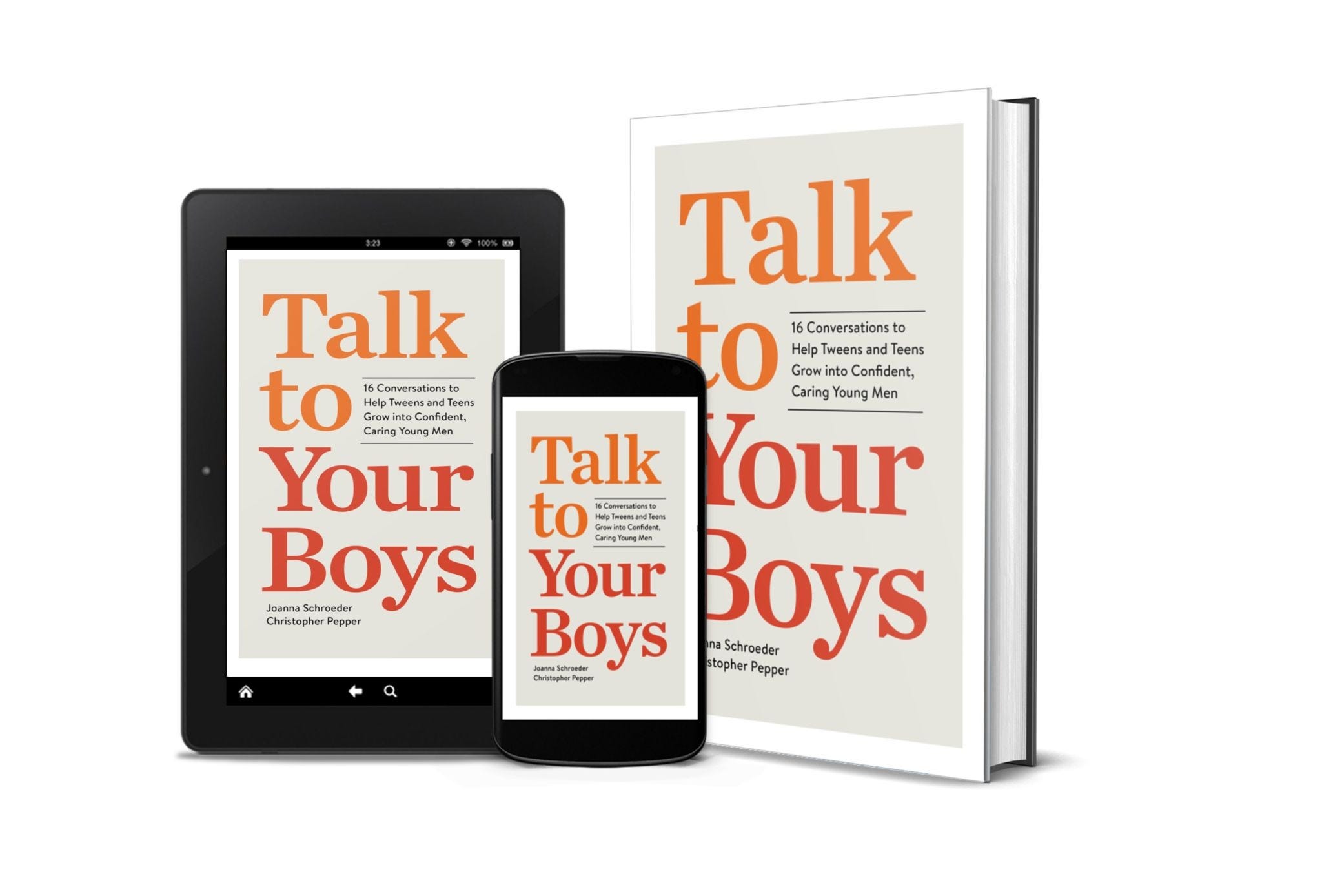
Christopher Pepper is the co-author of the bestselling book TALK TO YOUR BOYS: 16 Conversations to Help Tweens and Teens Grow into Confident, Caring Young Men, which Dr. Lisa Damour says is “required reading for anyone who cares about raising boys to thrive emotionally, build strong relationships, and grow into healthy, whole adults.”
Pepper writes the popular newsletter Teen Health Today (TeenHealthToday.com), and his work has been featured in many media outlets, including The New York Times, The San Francisco Chronicle, ParentData, NPR and CNN.
He is also an award-winning educator who currently works as a “teacher on special assignment” in San Francisco public schools. In addition to supporting health teachers, he coordinates SFUSD’s Young Men’s Health Project, which brings middle and high school boys together to talk about their lives, relationships, emotions, and masculinity.
He is the father of two boys and lives in Berkeley, California.
