


📚 Editor’s Note: Building a Writing Life That Actually Fits
Olivia Wickstrom writes Petal + Hearth, a bestselling Substack about French living, building a creative business, and designing a life you can fall in love with — and that intention shows up in every part of her work.
In this interview, Olivia talks candidly about living and writing in the south of France, the cultural whiplash between American and French approaches to work, and the systems that quietly made her freelance career sustainable. There’s no posturing here. Just real insight into what actually worked — from agency partnerships to Substack Notes to letting go of platforms that didn’t respect her time or talent.
If you’ve ever wondered what “making writing your job” looks like beyond hustle culture and empty advice, Olivia’s answers are thoughtful, grounded, and refreshingly honest. This is one of those conversations you bookmark and come back to.
– Amy Suto
Editor & Curator of GuestStack
✍️ From the Desk of Olivia Wickstrom
Where’s your desk these days — and what does it look like?
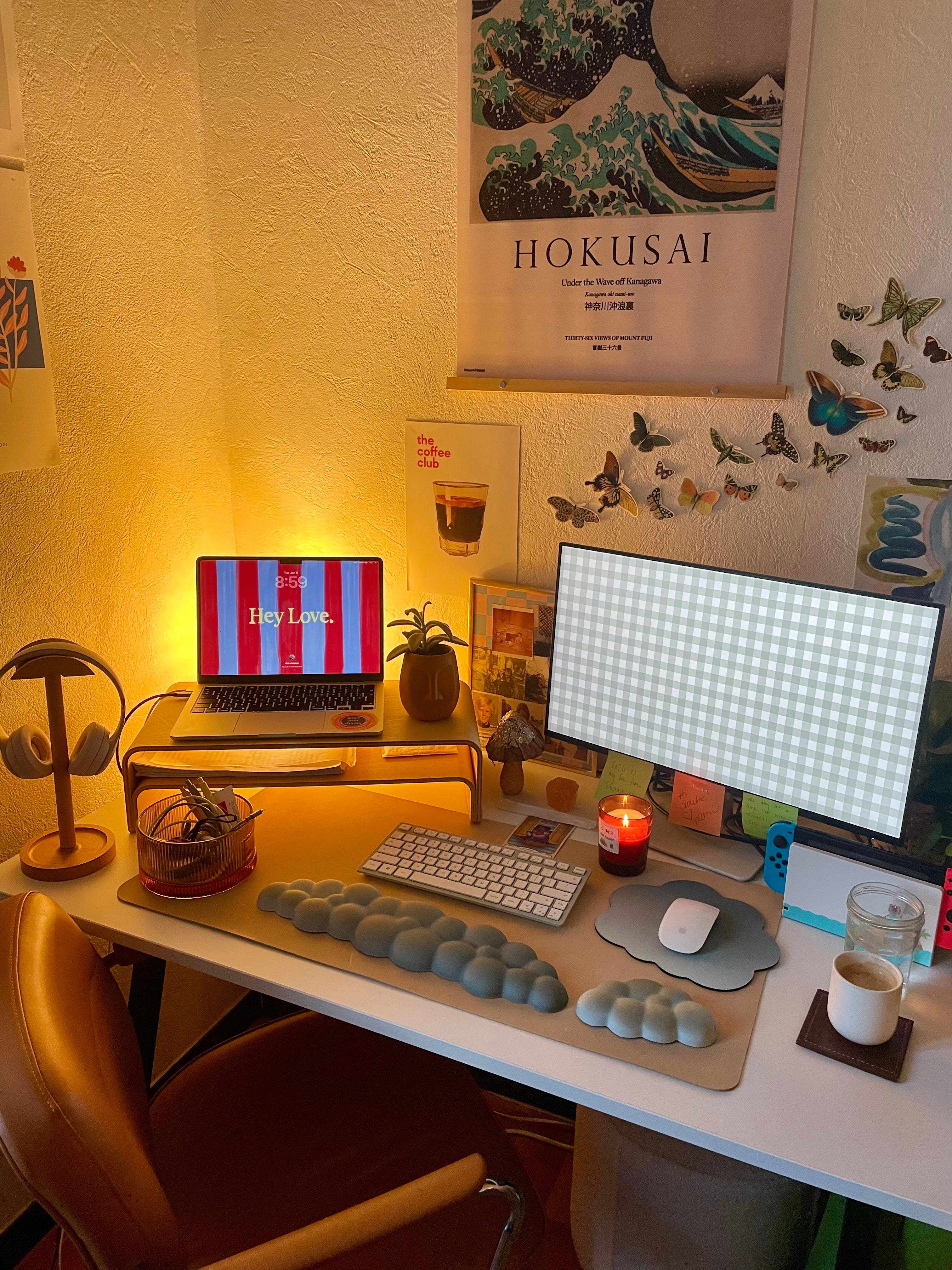
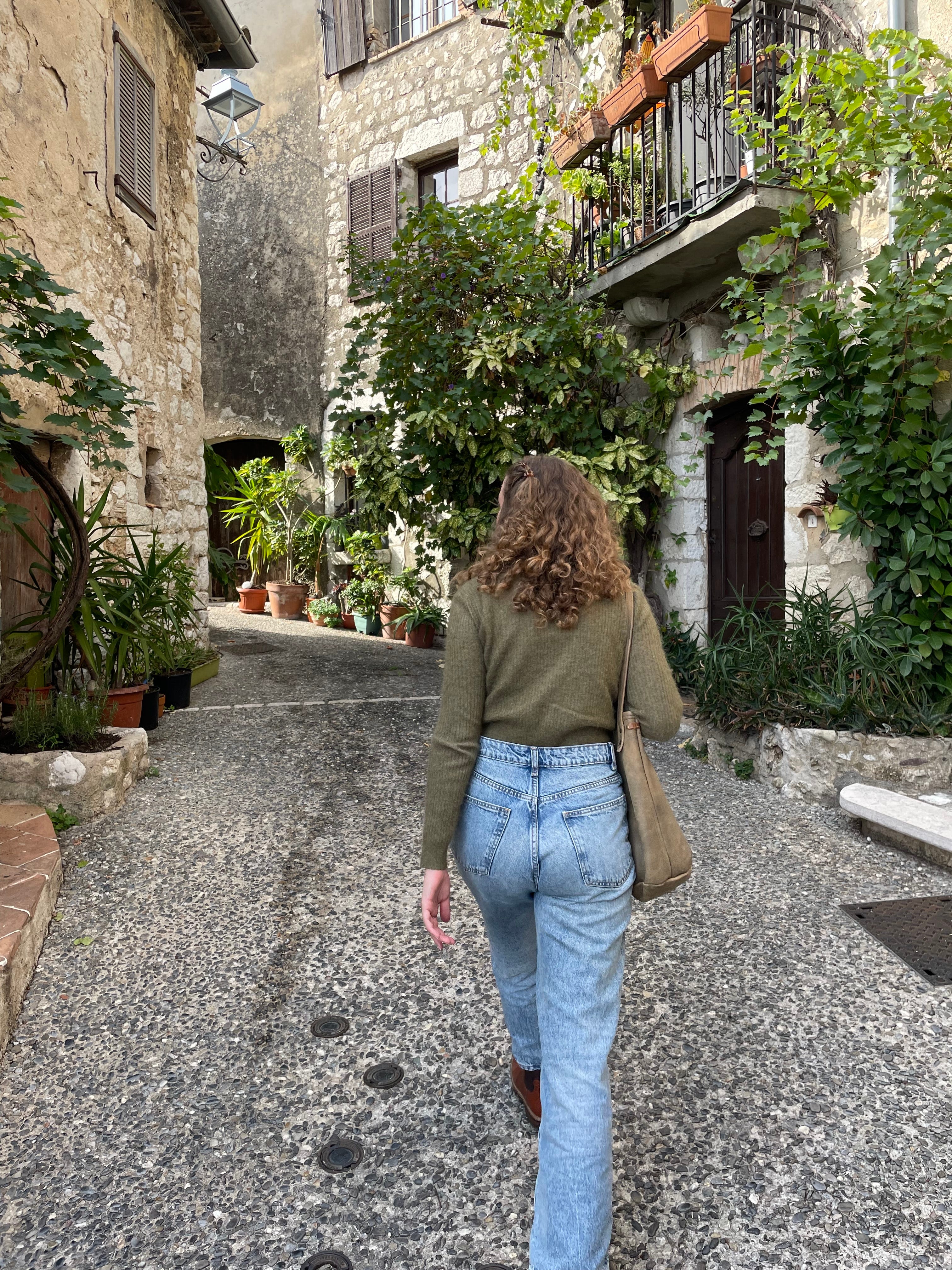
My desk is in Nice, France. I’m originally from California, but I’ve been calling the south of France home for a little over two years now.
We live in an apartment on the fifth floor of a 1920s building, and I work from a corner of the living room. From my window, I can see our small terrace and the courtyard below — all the neighbors with their laundry hanging out. As I’m writing this, my cat is meowing to go outside, but it’s a bit too cold right now.
I love my desk. When I first met my partner, this was his apartment. Then it became ours. I honestly don’t remember what this corner was before I moved in. But our desks now face each other across the living room.
He’s doing a PhD, and on days he doesn’t go to the lab, we sit together, have lunch together. It’s chill. Sometimes we’re bad influences on each other, and I get no writing done. But for the most part, it works.
The space feels cozy — like home. A bit crafty, a bit Mod Podge, if that makes sense. It feels like me. I have photos of family, little affirmation sticky notes. If I draw a tarot card in the morning, I stick it somewhere close so I can look at it throughout the day.
That’s my desk!
At your Substack Petal + Hearth, you write about being an American living abroad in the South of France. What’s the most surprising thing about this change?
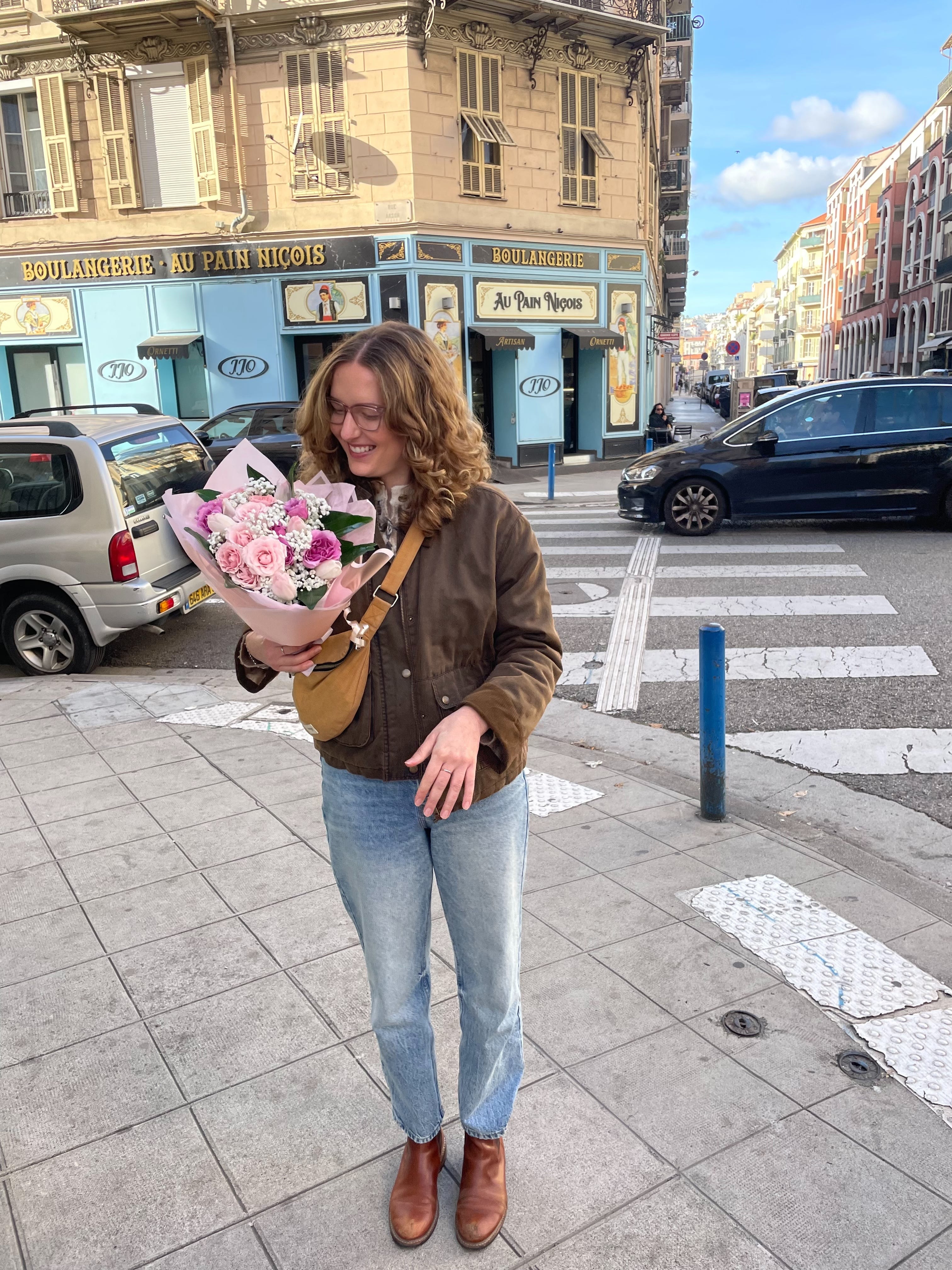
The most surprising thing is definitely my relationship with work versus the French relationship with work. I’m a workaholic compared to the French people I know.
The French value quality of life differently than Americans do. For them, being wealthy doesn’t equate to having a lot of money — it equates to having a good life. There’s a part of me that’s so grateful to live in this culture where I’m learning to slow down and live more intentionally.
At the same time, I’m grateful for my upbringing in America. I think it’s what made me so entrepreneurial, what gave me such big goals. The American dream, the culture of “work hard and you can achieve anything” — I’m so lucky I have that in me.
There’s huge differences between the two cultures, and I value both. Embracing the duality is something I’m continuously learning to navigate as I live here.
What does “making writing your job” look like in your world right now?
I love this question, because I think it changes throughout a writer’s career.
Writing full-time has been my job for six years now. I’ve been a freelance writer, and while I’ve absolutely loved it, I’m now trying to make Substack writing my full-time job. That’s my 2026 goal.
I love freelancing, and I think I’ll always take on select clients. But since discovering Substack, I’ve just fallen in love with it — the community, the type of writing I get to do.
My freelance career is very technical. I mainly work with AI clients. So it’s fun to write about such drastically different topics on my Substack — things like building a creative business, what I’ve dubbed “main character energy,” and my journey as an American living in France.
Leaning fully into that creative work is what “making writing your job” looks like for me in 2026.
What’s one lesson you wish someone had told you earlier about the business of writing?
Partner with agencies.
If you want to get into freelance writing, but don’t want to deal with the hustle of finding new clients every week, content agencies are the answer. A lot of them bring on contractors to handle overflow work or as a core part of their team.
Agency clients have been my main source of work since 2022, and it totally changed the game. I rarely have to hustle for new clients anymore. There have been slow periods where I’ve had to rebuild my roster, but typically my agency partnerships last a year or more.
Bonus tip: if you want to work with agencies, try applying to their full-time job listings. If an agency is hiring a copywriter, reach out and say, “Hey, I see you’re hiring. Would you be interested in an interim solution who can start right away while you look for someone full-time?”
That approach has led me to a few big contracts.
What’s your writing routine like — or do you even have one?
I typically work on client work first thing in the morning. As I said, it’s pretty technical, so I like to get it off my plate early.
Then I move on to my Substack writing — notes, posts, whatever’s on the schedule for the day.
I recently started going through The Artist’s Way. I have a founding membership here on Substack where, among other things, we read a book together every quarter. It’s our current pick, so I’ve been doing morning pages.
I have a feeling that morning pages are going to bring me back to more fiction and creative writing. Long term, I’d love to play around with that more — I even have a dream of doing an MFA someday.
Was there a moment you realized, “Wait… I can actually do this”?
I’m going to go back to the agency comment I made earlier — because yes, that was the moment.
Before I partnered with my first agency, I had a couple of clients. I was working five hours a week here, a $1,000 retainer there. It was great, I was getting by, but I was still working part-time at a co-working space as a community host to supplement my income.
When I landed my first agency partnership, it was consistent enough — and I was making enough money — that I could go full-time. That’s when I realized, wow, I can actually do this.
That was the big moment for me. It’s why I talk about agencies so much, and why I call them the best-kept secret in freelance writing.
What’s something you tried that didn’t work — and what did you learn from it?
Upwork.
I was a very early user — I started an account back in 2015 I think when I was still in college, just trying to pick up a few side gigs. When I started freelancing full-time, I still had a profile, so I tried to find work there again.
I found that the clients typically don’t value freelancers at all on Upwork. There was no relationship. I felt like I was expected to turn things around 24/7, with no boundaries.
I decided to completely walk away from those kinds of platforms. The quality of work and the value they place on freelancers just wasn’t there.
How do you find or create opportunities for yourself as a writer?
My first couple of years, I got every single client through cold outreach. I pitched to over 1,500 agencies, business owners, influencers — anyone. My partner and I did the math: for every 200 pitches, I got one project.
Then I turned to LinkedIn. At the beginning of 2024, I started being really active there, and over the last couple of years, all of my clients have come from the platform — either through people posting that they were hiring, or people seeing my work and reaching out directly.
I like to call LinkedIn a living portfolio — potential clients can look at your posts and think, “Okay, this is what I could expect if I worked with them.” Every writer should be on there in some capacity!
What’s the best investment you’ve made in your writing life (time, money, or energy)?
I went to college and studied writing and English literature, but I haven’t done any retreats or taken any courses since then. I’ve just learned through trial and error.
When I started freelancing, I was an okay writer, I think. But I’ve improved so much — and I’m still improving — because I just keep doing it. It takes time and practice. The more projects you complete, the more people you work with, the better you become.
One last plug for agencies: you typically work with editors, and working with editors has made me a much better writer. They challenge me, push me, and encourage me to question my ideas. That’s one of the things I’m most grateful for.
Petal + Hearth is a bestselling publication here on Substack — what were the ways you grew it? Anything out of the ordinary, or surprising to you?
In the beginning, I got lucky. I recommended a writer I liked who happened to have a huge Instagram following, and she recommended me back. As she started gaining subscribers (she was new to the platform) I was getting subscribers too because she was recommending me. So at first, I thought recommendations were the secret to growth.
Then it completely plateaued.
I started leaning into Notes, posting twice a day. That’s when things started to blow up. Not right away — it took a couple of months — but I had one viral note, and after that, I consistently started getting more engagement.
I rotate between three content pillars in my notes: my life as an American living in France, building a creative business, and what I call “main character energy” — the idea that living your dream life is accessible and possible for anyone. My own life is proof: a history of addiction, getting sober five years ago, and now living my dream life in France (you can read more about that here).
As for what actually works on Notes: the most casual, impromptu, least polished posts tend to do the best for me. Sometimes I’m giving tips, sometimes a behind-the-scenes look at my life, sometimes just a short, quippy thought.
Photos always do well too — of yourself, or little moments from your day.
What’s something you’re currently obsessed with — and how is it influencing your writing?
Substack. I’m obsessed with Substack.
I’ve talked about this in my notes and in a recent live I did, but my quality of life has improved so much since I joined this platform. I’m so inspired by the writers here, and I’m continuously blown away by the creativity I see.
Being on Substack isn’t just about writing — it’s about reading and enjoying other people’s work, too. Since becoming an active member (key word, active!), my reading life has improved so much. There are incredible writers here covering everything from book recommendations to seasonal living to the craft of writing itself.
Actually engaging with this community — not just posting, but reading, subscribing, participating — has made my life a lot better.


👋 About , This Week’s Featured GuestStack Writer
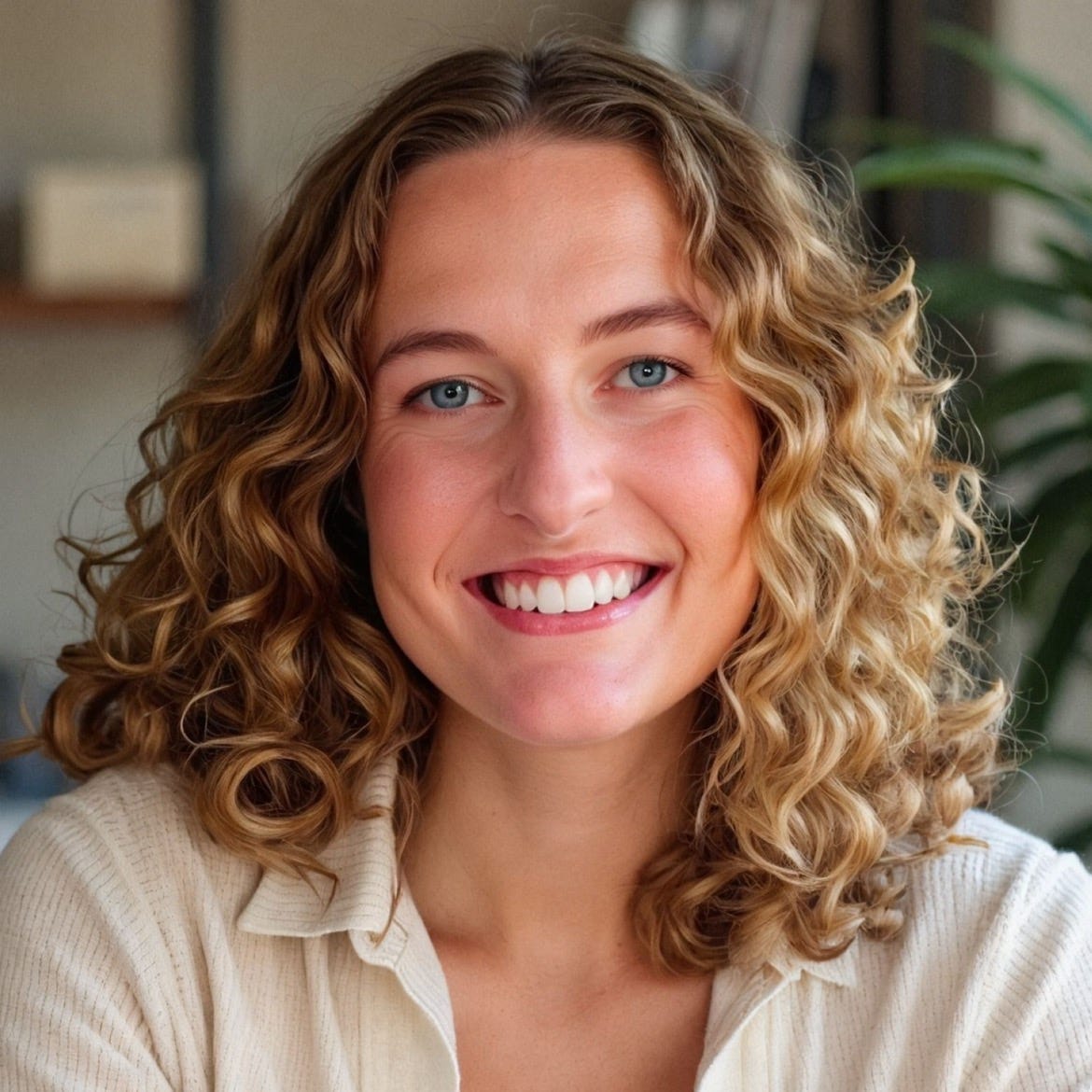
Olivia Wickstrom is a freelance copywriter from California, now living in the south of France. She writes Petal + Hearth, a Substack about French living, building a creative business, and designing a life you can fall in love with, wherever you happen to be.

I love this interview! Olivia is one of my favorite writers on here because her authenticity really shines through. Her Notes pulled me in! Also, love those puffy wrist pads on her desk! And the tip about using agencies is so smart. How does she manage client work, Substack, AND LinkedIn all in one day though?! 🤩