


📚 Editor’s Note: Building an Online Home From Scratch on Substack
Claudia Faith has built a writing-led business the way many people wish they could — from zero, on her own terms, and without a pre-existing audience. A serial entrepreneur now living between Europe and Brazil, she uses Substack not just as a publishing platform, but as the foundation of a broader ecosystem that includes paid newsletters, services, partnerships, and community-driven products.
In this conversation, Claudia talks candidly about what it actually takes to make writing your job today — from the importance of visibility and self-promotion to why Substack works best as an online home rather than a single revenue stream. She shares lessons learned from failed products, the reality of slow organic growth, and the mindset shift required to design a life that prioritizes freedom, flexibility, and sustainability.
This is a grounded, encouraging look at how showing up consistently — even when it feels like you’re writing into the void — can compound into a business, a community, and a life that fits.
– Amy Suto
Editor & Curator of GuestStack
✍️ From the Desk of Claudia Faith
Where’s your desk these days — and what does it look like?
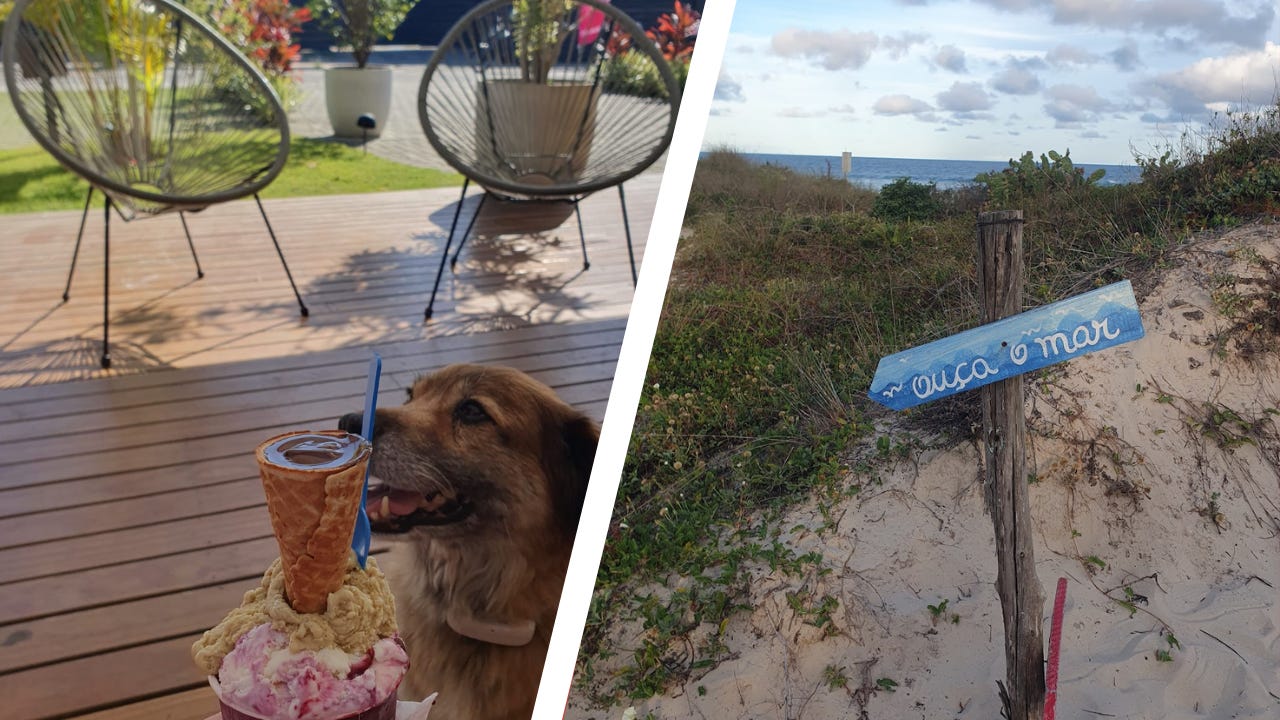
Since yesterday, it’s actually an Airbnb desk in Florianópolis, Brazil. I’m writing from an outside table, looking at palm trees and sunshine, hearing the ocean — so it’s quite beautiful. Before that, it was Berlin in complete winter, so I’ve made an entire switch and I’m loving the possibility to work from both places. Europe and tropical Brazil.
A picture I took last year when I was here already on my way to the beach, which kind of gives you an idea of the vibe here. And one eating ice-cream here with my rescue doggo, Mambo.
You’re a serial entrepreneur who helps other writers and creatives — what’s one piece of business advice you think most creatives would benefit from knowing?
Don’t shy away from promoting yourself and being out there. In business, this is simply marketing. In the creative world, or as a solopreneur writer, it’s really about showing up, being consistent, and being authentic…letting people see you and what you have to offer without overwhelming them.
I know a lot of creators and writers are introverts. I am too, and it just doesn’t come naturally to us. But like with anything else, you need a good plan, a strategy, and a system in place that kind of forces you to do those promotional things.
What does “making writing your job” look like in your world right now in terms of the work you do on Substack and beyond?
One thing I’ve learned is that it’s actually not only about writing on Substack anymore. It can be, but then it’s a slower journey. It is about making Substack your online home, where you can write short-form content through Notes, longer blog posts, email marketing, LIVE videos and even podcasts.
In terms of how I actually make money: it’s a mix of paid subscriptions on my newsletters, 1:1 services helping people set up their Substacks, and Cozora — the live AI learning community I co-founded. I also do some brand partnerships and sponsorships. So it’s not just one income stream, it’s several smaller ones that add up.
A lesson I learned: It’s easier than you think to make your first dollar, but it’s harder than you think to make your first $10,000. It’s a long journey, but it is possible and so worth it.
What’s one lesson you wish someone had told you earlier about the business of writing?
Honestly, I didn’t have anybody tell me lessons on the business of writing, because I didn’t know I would go on this journey. I started on Substack from zero, really — without knowing what I was doing, without any experience. As I kept showing up, growing, and connecting with people, I learned step by step that I can make this my home, my online home, and my business. To be fair, it’s more than a writing business — it’s community, it’s product, it’s emails, it’s marketing.
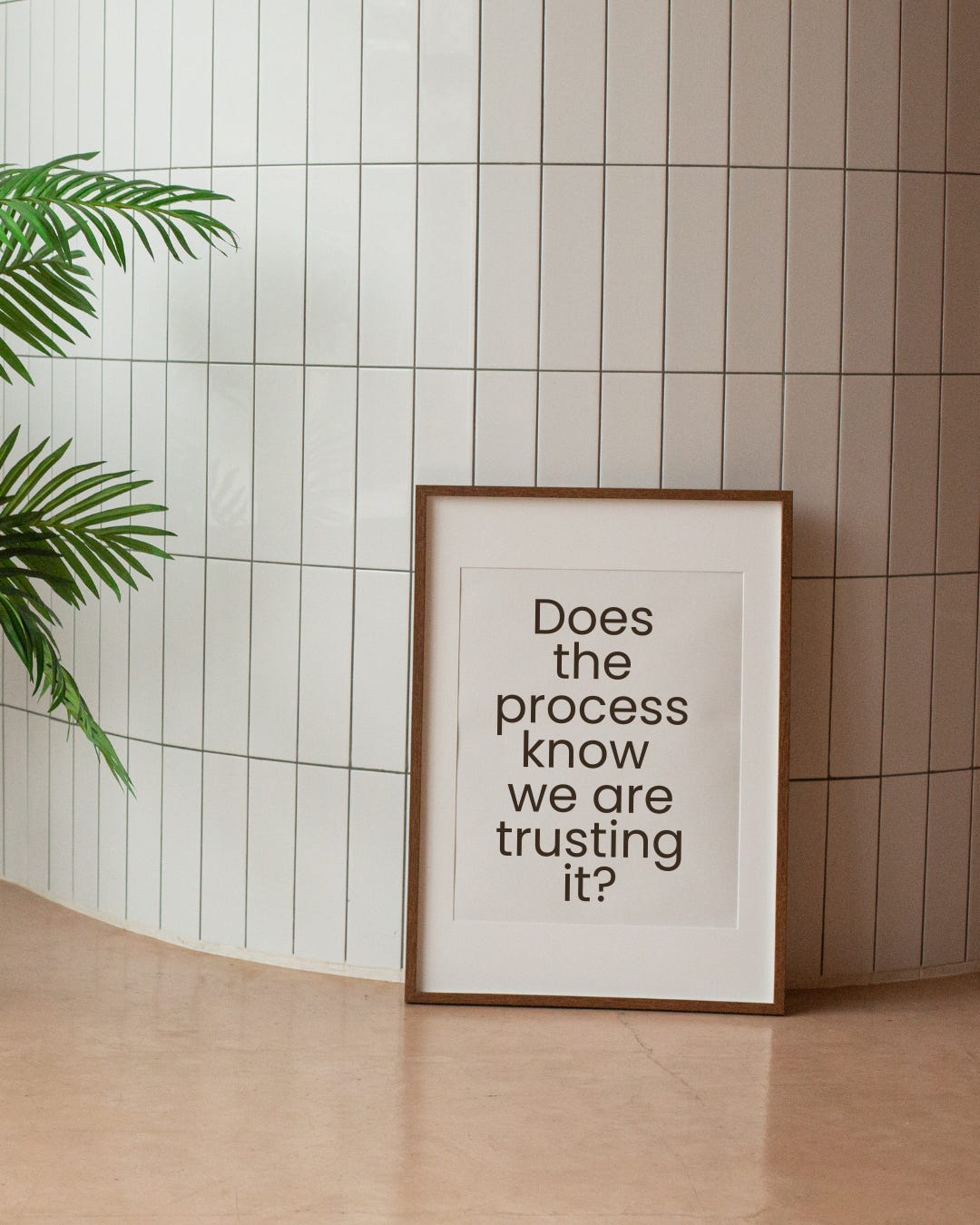
What I’d tell people on the journey is: trust the process. I know that sounds vague, but what I mean is — you won’t see results for a while, and that’s normal. The strategy reveals itself as you go. You just have to keep showing up long enough to see what works for you. I recently saw this image that captures exactly how it feels though.
What’s your writing or creative routine like if you have one?
I love writing in cafés. But really, mostly in mornings — I’m not an evening person at all. I like to work a lot in the morning hours and then keep the afternoon free for a round of beach tennis, or just walking along the beach with my dog.
But I also like to keep it flexible and change things up. I feel like that’s the beauty of this work, you can be as flexible as you like. If you feel like writing on a couch in some random Airbnb, you can do that. Or if you want to go to the café around the corner, you can do that too. Whenever you feel like you can be creative.
Was there a moment you realized, “Wait… I can actually do this” in your career as a writer and entrepreneur?
I think a few months into my journey, I hit $1,000 a month for the first time, and that felt surreal. It wasn’t one specific thing I did — I just kept showing up.
There’s something to it, though. I’ve built companies, I’ve raised capital, I’ve had co-founders. But this is something I’ve done for the first time completely on my own, and it just feels different.
The first dollar wasn’t that spectacular — it came from a Medium article. But $1,000 showed me: hey, you can scale this. It really comes down to the strategies you have, the ideas you have. You don’t have to talk about them with anybody else if you don’t want to. You can just try things out and do whatever feels right to you.
What’s something you tried that didn’t work — and what did you learn from it?
I created a digital product completely from A to Z — an 80-page PDF document — without having any market demand. I was so convinced it was great that I spent a lot of time and effort on it. Then it sold maybe twice, and I realized: okay, this is a complete failure.
It taught me to really test the waters first. Does this solve a problem? Is it something people actually want? Also, build your audience and distribution channels first. Because even if you have the best product in the world, if nobody knows about it, it will also fail.
How do you find or create opportunities for yourself as a writer?
A lot of it comes through visibility and partnerships. I put CTAs in my newsletters, I collaborate with other creators, and I make it really easy for people to understand what I do and what I offer right away. If that’s clear and people believe in the value you provide, then opportunities start coming to you — the pitching becomes secondary.
For example, I found my two Cozora co-founders through my newsletter Level Up with AI. We connected on Substack and ended up building a live AI learning community together. That wasn’t something I pitched — it happened because I was visible and clear about what I was working on.
What’s the best investment you’ve made in your writing life (time, money, or energy)?
The best investment I’ve made is giving myself permission to be free — to live wherever I want while building my business. That might sound abstract, but it took real effort to break the mindset that I had to be in an office, that I had to do 9-to-5, that I had to follow a traditional path.
It’s funny — I actually took a certification in designing your life. And while I was doing the certification, I realized: I’m not even designing my own life. I was still following old rules that didn’t serve me anymore.
So the investment was less about money and more about energy — the energy it took to let go of limiting beliefs and actually build a life that fits how I want to work. That shift is what made everything else possible.
Wander Wealth is a bestselling publication here on Substack — what were the ways you grew it? Anything out of the ordinary, or surprising to you?
I 100% just grew it organically on Substack. I started here from zero in May 2024. I don’t have any other social media presence or funnels, I really started from nothing.
The way I grew it is just the normal ways: Substack Notes, Substack Lives, recommendations, and consistency. I think that’s the thing people would like to skip, because it really just means showing up every single day for months and months. Often you’re writing into the complete void — nobody is responding. That’s just something you have to go through.
One thing I wish I’d started earlier is the chat feature on Substack. I still write a DM to every new subscriber (I even developed my own tool for this that people can access). But the community chat is something I started too late, and now it’s actually one of my most loved features. People constantly tell me they’re so thankful to be part of my community because that’s how they find other great people on Substack. It’s really helping my audience find their own tribes. That’s something I didn’t expect, and it’s actually a really pleasant feeling — giving back to people who read my words.
What’s something you’re currently obsessed with — and how is it influencing your writing or creating?
A book, show, Substack, city, idea — show us what’s lighting your brain up.
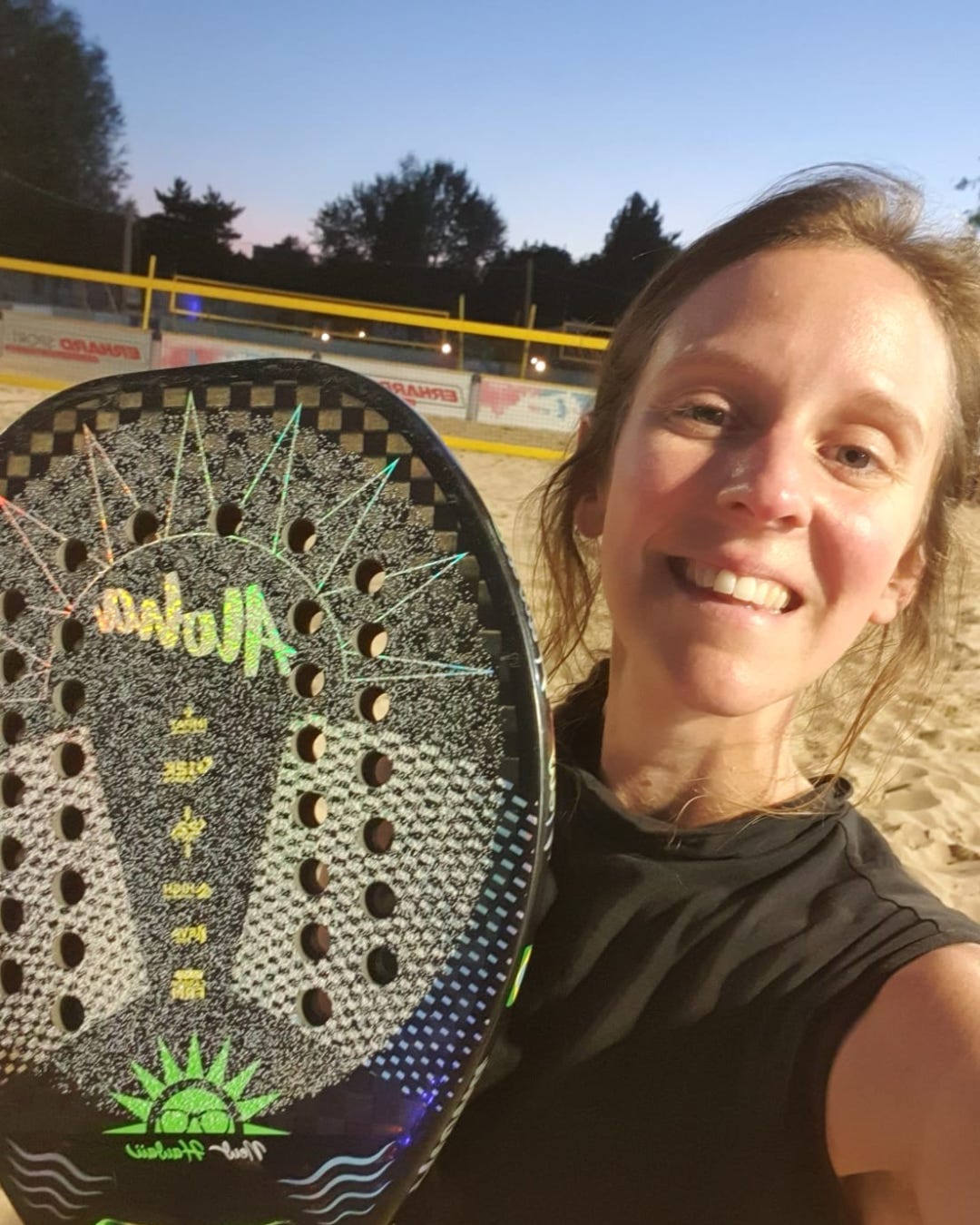
My obsession right now has nothing to do with writing — it’s beach tennis. It’s a little bit like padel, but on the beach, on a volleyball court setup. It’s so fun. Very easy to learn, you don’t need any special skills. You play with four people, and here in Florianópolis it’s absolutely magical because it’s also a way to meet great people, be outside, be active.
I feel like that’s what keeps my mind free so I can be more creative when it’s time to write. If you haven’t tried it, give it a try.


👋 About Claudia Faith, This Week’s Featured GuestStack Writer
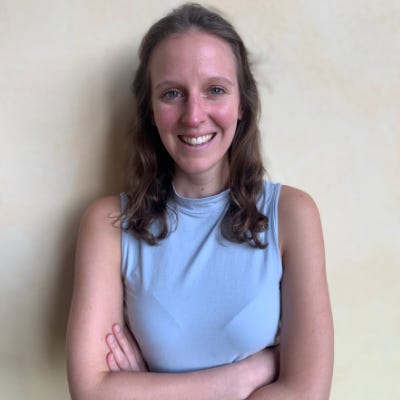
Claudia Faith is a serial entrepreneur. She started her Substack with 0 audience, scaled it 10K+ in 1 year. She helps writers and creators grow their audience, earn online, and build smarter with AI.

Love this conversation. 🏸 I need to try beach tennis! ❤️ Thank you, ladies. 😊