


📚 Editor’s Note: Making a Living From a Slower Creative Life
Louise Tilbrook is the creator of The Everyday Knitter, a bestselling Substack built around slow living, knitting, and the kind of creative work that’s meant to be savored rather than rushed.
In this interview, Louise shares how she’s built a sustainable creative business by combining Substack writing with digital pattern sales — without chasing trends, social platforms she doesn’t enjoy, or business models that didn’t actually fit her life. She talks openly about perfectionism, the quiet power of community, and why “done is better than perfect” has been one of the most important lessons of her creative career.
This interview is a reminder that making writing your job doesn’t have to look loud, frantic, or optimized for every algorithm. Sometimes it looks like knitting in the afternoon, writing in the morning, and building something steady, human, and enduring over time.
– Amy Suto
Editor & Curator of GuestStack
✍️ From the Desk of Louise Tilbrook
Where’s your desk these days — and what does it look like?
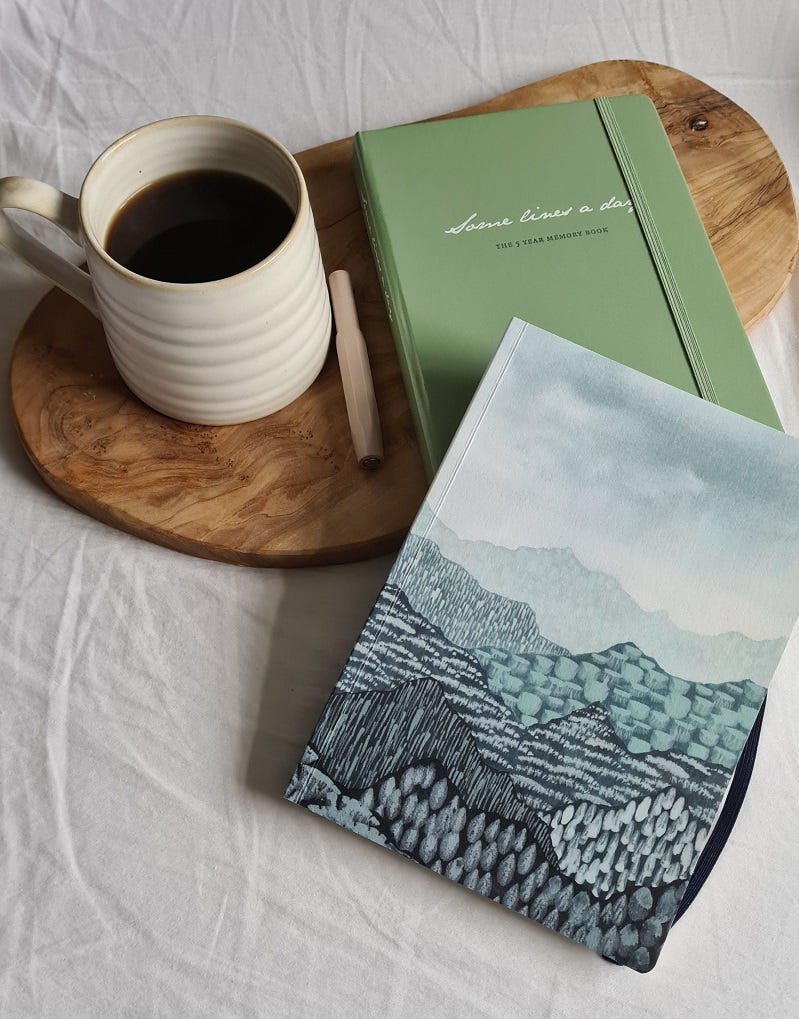
In my dreams I have a cosy shed in my garden, stuffed with yarn, journals and snuggly blankets. In reality my days find me on my laptop at the kitchen table or working in our tiny spare room. More likely I haunt a couple of local coffee shops and feed my caffeine addiction at the same time as catching up on emails.
Your Substack The Everyday Knitter is such a cozy space for people who want to learn how to knit. How did you come up with the idea?
I learned to knit as a child and came back to it in my 30s. As a mum to two very lively toddlers I needed something creative to call my own — and something that I could stash on a high shelf out of reach. I started blogging at about the same time and then for many years ran a busy Facebook group for knitters as I loved the community aspect of the craft and the way it genuinely brought people of all backgrounds together. My Substack work came about as a natural extension of my that and I have been thrilled to find so many like-minded people here who appreciate all things to do with slow living and yarn.
What does “making writing your job” look like in your world right now? Is writing a vehicle for you to share your knitting with the world, or are there other writing projects you want to embark on?
I make half of my income right now from writing on Substack and half from selling digital knitting patterns online. I have always preferred to communicate via the written word, supplemented by photography and while I have huge admiration for those who churn out effortless Instagram reels that’s definitely not my natural medium. For years I have been saying I am going to write a book — based on my 10 years of running online crafting communities — and this is my year. Part diary, part anecdote based it is a gently humorous look at being a knitter in the wild.
What’s one lesson you wish someone had told you earlier about the business of writing?
That done is better than perfect. It is far better to get something published and out into the world that you are 80% happy with, rather than having a folder stuffed full of drafts that you spend years trying to polish to perfection.
What’s your writing/creating routine like — or do you even have one?
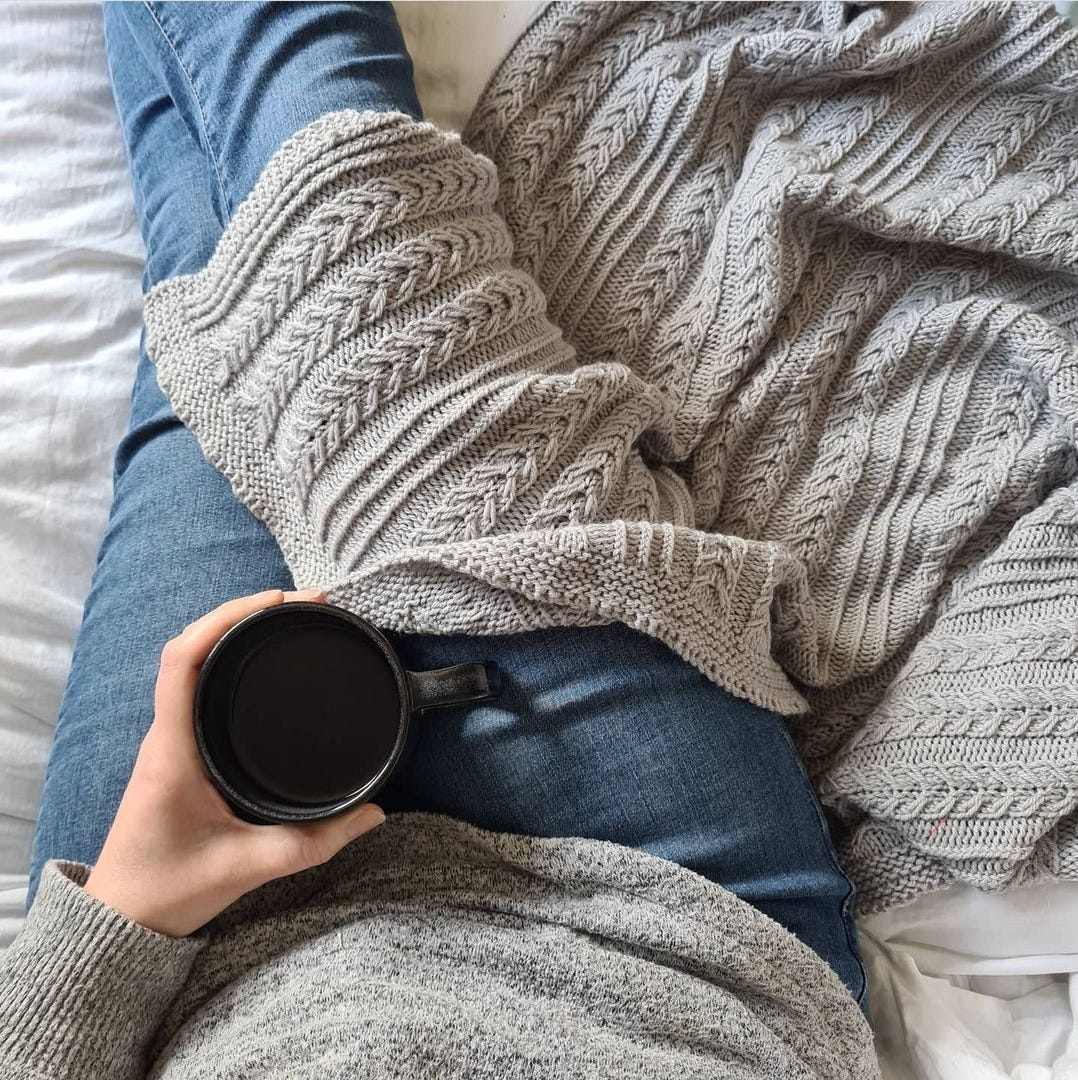
I’m a morning person so most of my writing happens before lunchtime. I always start my day with a huge cup of coffee in bed and it’s a standing joke that no one will get any sense out of me until I’ve drunk it. Both my sons are now away at Uni so my days are largely my own but even so I struggle to stick to any kind of routine. My mornings generally involve a walk outside in nature, a coffee shop and writing — although not necessarily in that order. My afternoons are usually reserved for knitting where I work on designs in progress or that need getting ready for publication.
Was there a moment you realized, “Wait… I can actually do this” when it comes to putting your creative passions out there?
It started ironically enough shortly after my dad died suddenly. I had taken the step a few years ago of walking away from my previous career as an NHS healthcare scientist in pursuit of something with less stress and was working part-time while developing my online business. I was struggling to find the courage to ditch the paid work completely though. Then my dad died and I had a moment of ‘if not now, when?’ I had to leave my part-time job in order to support my mum and I never went back.
What’s something you tried that didn’t work in your creative or personal life — and what did you learn from it?
I spent a lot of time (and money) in the early days developing an online ‘signature course’ as that was advised by a lot of the business gurus out there. I soon learned that it was just a huge time sink and that without taking on additional staff to deal with the admin it was unlikely to help me turn a profit. Definitely a lesson learned in that what works for one type of business won’t necessarily work for yours. And that just because some Instagram gurus say something — it doesn’t make it true.
How do you find or create opportunities for yourself as a writer/creative?
I’d love to say that I have a plan but it’s pure serendipity. Most of my opportunities and collaborations have come about by chatting to people in the comments of Substack posts or on Instagram with fellow creatives.
What’s the best investment you’ve made in your creative life (time, money, or energy)?
Setting up my website to take direct pattern sales was an investment in time and money — but it’s been so helpful in diversifying my income and ensuring that I’m not reliant on a single platform.
Everyday Knitter is a bestselling publication here on Substack — what were the ways you grew it? Anything out of the ordinary, or surprising to you?
Over my 10 years of blogging I was fortunate in that I had built a sizable email list. I brought that list across to Substack — at the time that was around 6,000 people and it has doubled in size over the last 2 years organically. Substack really does help with discoverability and the algorithm seems to be very good at showing people more of the kind of content they are likely to subscribe to. Interestingly I assumed that most of my paid subscribers would be those who had been on my email list for a long time. But I’m increasingly surprised (pleasantly so) at how many new readers jump relatively quickly into a paid membership. Partly I think because the audience on Substack is more accustomed to a paid model — perhaps more so than those who are used to more of a Facebook style community.
What’s something you’re currently obsessed with — and how is it influencing your writing?
I’m currently obsessed with how society views cosy crafts and hobbies — and how people’s perceptions are gradually changing over time. Whenever the mainstream media writes about knitting it is normally in the context of it being ‘not just for grannies’ or ‘the new yoga’ — both trite lines that have been trotted out many times over the years and that do little to reflect the real-life diversity of the craft. I love seeing people’s perceptions turned on their head and helping them to see that knitting is for everyone. And that acquiring a few post-apocalyptic life skills is always a good idea!

👋 About Louise Tilbrook, This Week’s Featured GuestStack Writer
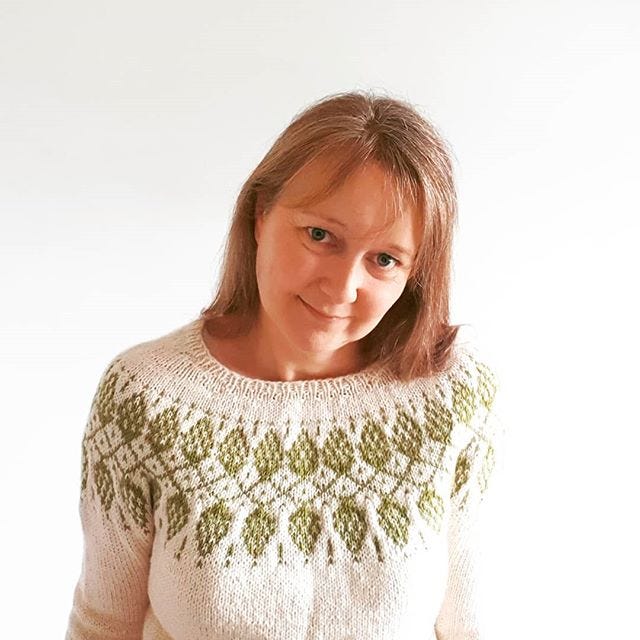
Louise is a knitter, designer and writer who prefers the slow life. Powered by caffeine and bossed about by cats she shares tales of every day knitting life from her home in a rural village near Cambridge in the UK.

