


Happy Sunday! In today’s newsletter, you’ll learn about…
✍️ How to put yourself in a position where inspiration strikes you
☕️ 14 writing exercises that improve creativity
😎 How I’m staying committed to my writing
📖 3-Minute Story: 14 Exercises to Improve Creativity

This morning, my partner Kyle brought me a warm, cashew-milk latte sweetened with maple syrup and a plate of bite-sized vegan donuts — in other words? Heaven. And a lovely way to start my writing day off with.
This week is a deep work week, meaning I’m spending more time than usual on my writing projects for myself and clients. I’m clearing distractions, journaling, keeping to my modular writing routines and habits, and diving into my favorite creativity exercises.
It doesn’t matter if you write mostly fiction or nonfiction, caring for your creative brain will improve your output of whatever you scribble.
Part of what ignites creativity is play. And that’s what these creative exercises are here to help you do — have some fun on the page to loosen up your super serious adult brain.
By having some fun and seeing things from a new perspective, you allow your inner creative genius to blossom and do something cool for you: strike some inspiration into your heart.
Ready to let your creative genius come out to play?
Here are 14 Creative Exercises to try, pick one and get started:
Observe and Describe:
Sit in a public space and discreetly observe a stranger. Write a short story or character sketch based solely on their appearance and behavior.
First Line Inspiration:
Pick up a book at random and use its first line as the opening of your own story.
Three Object Challenge:
Choose three unrelated objects in your room. Write a story or poem that incorporates all three.
Word Limit:
Write a complete story in exactly 50, 100, or 500 words. Constraints can force creativity.
Dialogue Only:
Craft a story using only dialogue, no descriptions or action tags. This challenges you to convey everything — emotion, setting, plot — through speech.
Write in a New Genre:
If you're a romance writer, try science fiction. If you write historical fiction, try your hand at poetry. Diversifying can stretch your creative muscles.
Dictionary Dive:
Open a dictionary to a random page, pick a word you aren't familiar with, and write a story or poem that revolves around that word.
Photo Prompts:
Scroll through a photography website or magazine. Choose a photo and write a story or poem inspired by it.
Time Travel:
Write a letter from you in the future (say, 10 or 20 years ahead). What have you learned? What do you regret? What do you wish for the younger you?
Character Swap:
Take characters from two of your favorite books and put them into a story together. How would they interact? What challenges would they face?
Change the Ending:
Take a story you've written before or a famous story you love and write a completely different ending for it.
Sensory Limitation:
Describe a setting or scene without using one of the senses (i.e., sight). This challenges you to be more creative in evoking atmosphere.
Hero to Villain:
Take a protagonist from a story you've written (or from a famous story) and reimagine the story with them as the antagonist.
Inanimate Narrator:
Write a story from the perspective of an inanimate object, like a book on a shelf, a teacup, or a painting on the wall.
If you ended up trying these creative exercises, I’d love to hear from you in the comments, or reply to this email!
Don’t forget to share with other writers who might find these useful:
✨ 2 Quotes to Inspire You
"Creativity takes courage." - Henri Matisse
"The creative adult is the child who survived." - Ursula K. Le Guin
✍️ 1 Journal Prompt for Reflection
Imagine waking up in a world where language as we know it doesn’t exist. People communicate exclusively through symbols, colors, and music. As a writer in this world, your job is to tell a compelling story using these non-verbal modes of communication. Detail the outline of this story in your journal. How would you use symbols, colors, and music to convey emotion, plot twists, and character development?
Feel free to share your reflections with other Modern Authors in the comments:
💻 New Blog Posts on AmySuto.com

3 Mistakes to Avoid When Self-Publishing Your Book on Amazon KDP
3 Steps: How to Write a Book Outline for Your Memoir or Nonfiction Book
🎙 New Diary of an Author Podcast Episodes
#76 Ten Health and Lifestyle Habits That Changed My Life (15 Minutes)
#75 How I Make $20,000-$30,000 Per Month as a Freelancer (11 Minutes)
I create these podcast episodes from my blog archives using the tool Wondercraft AI, a text-to-speech tool that speaks in YOUR voice. 🎙 Use my code SUTO50 or this link to get 50% off your Wondercraft AI subscription!*
*This is an affiliate link, so I receive a small commission if you subscribe. Thanks for your support!
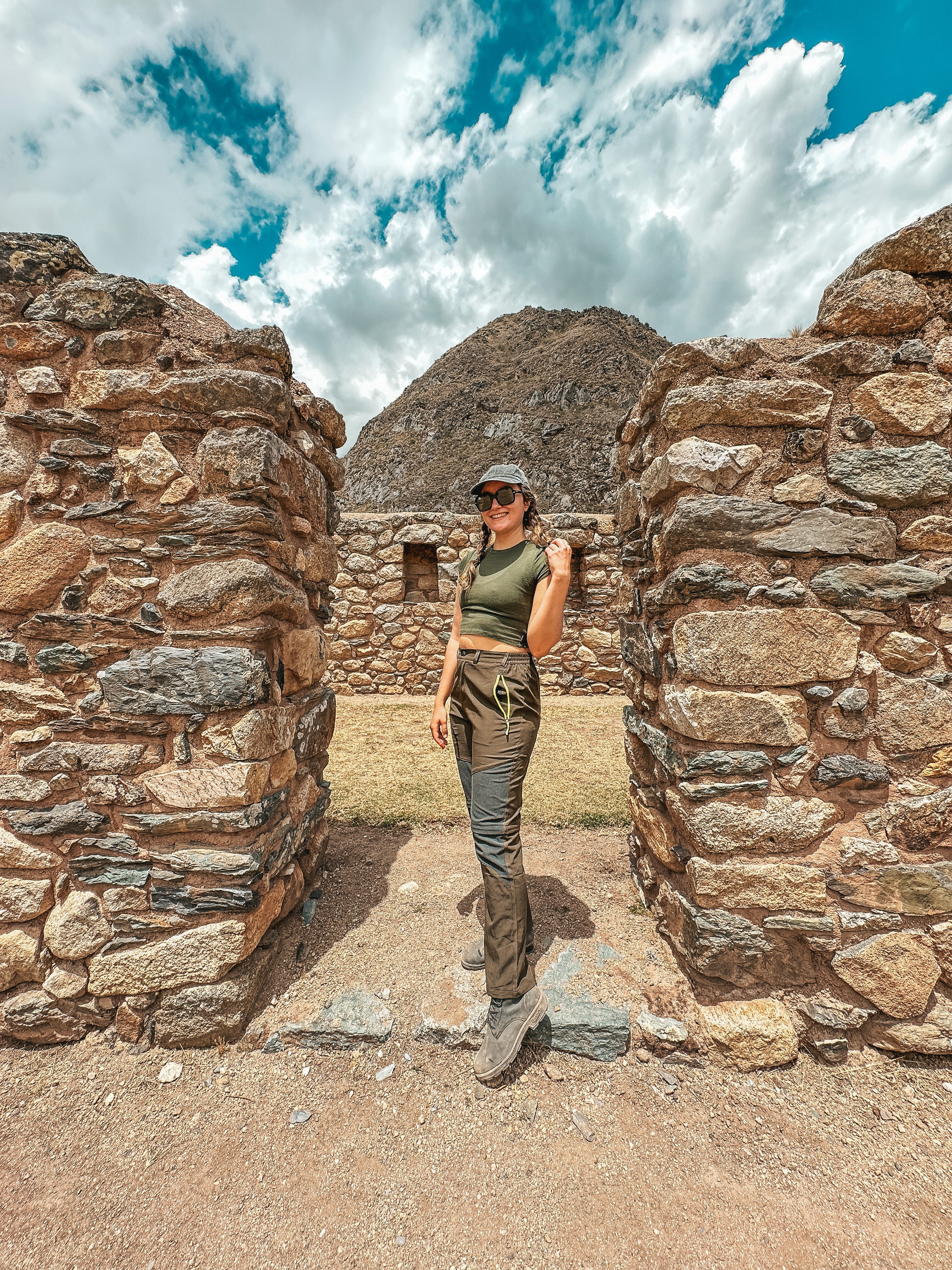
📸 Photo of the Week: Goodbye to Cusco, Peru 👋
It’s been a wild ride. I said goodbye to Peru and am headed to Costa Rica next!
Follow me on X/Twitter or Instagram for more!
🎥 Video of the Week: What I Spend in a Day as a Digital Nomad
A breakdown of what I spend in a day in food costs as a digital nomad traveling to Cusco, Peru!

Be sure to subscribe to me on YouTube and TikTok for more travel content, remote work inspiration, and writing tips!
⚡️ Upcoming Wednesday Edition: The Ultimate Writer’s Guide to Social Media (+ Free Templates!)
This Wednesday, Diary of an Author paid subscribers will get an exclusive issue about…
✨ 10 secrets for how writers can build a following on social media
🧪 How to position your authentic brand as a writer
📚 Free templates to help you find success on different platforms!
Sending creativity and good writing vibes your way,
-Amy
These are fantastic.
Thank you for the great advice!